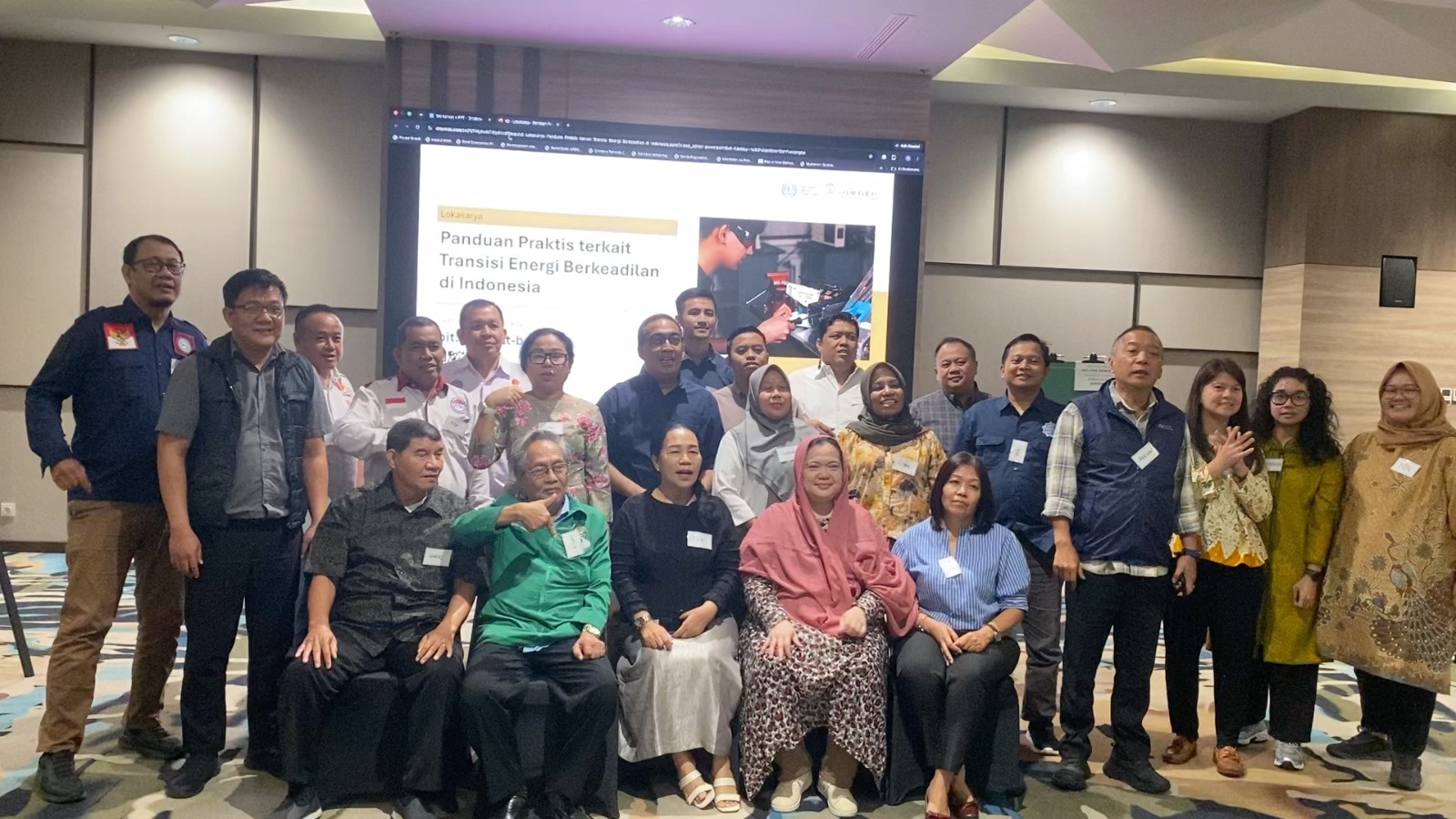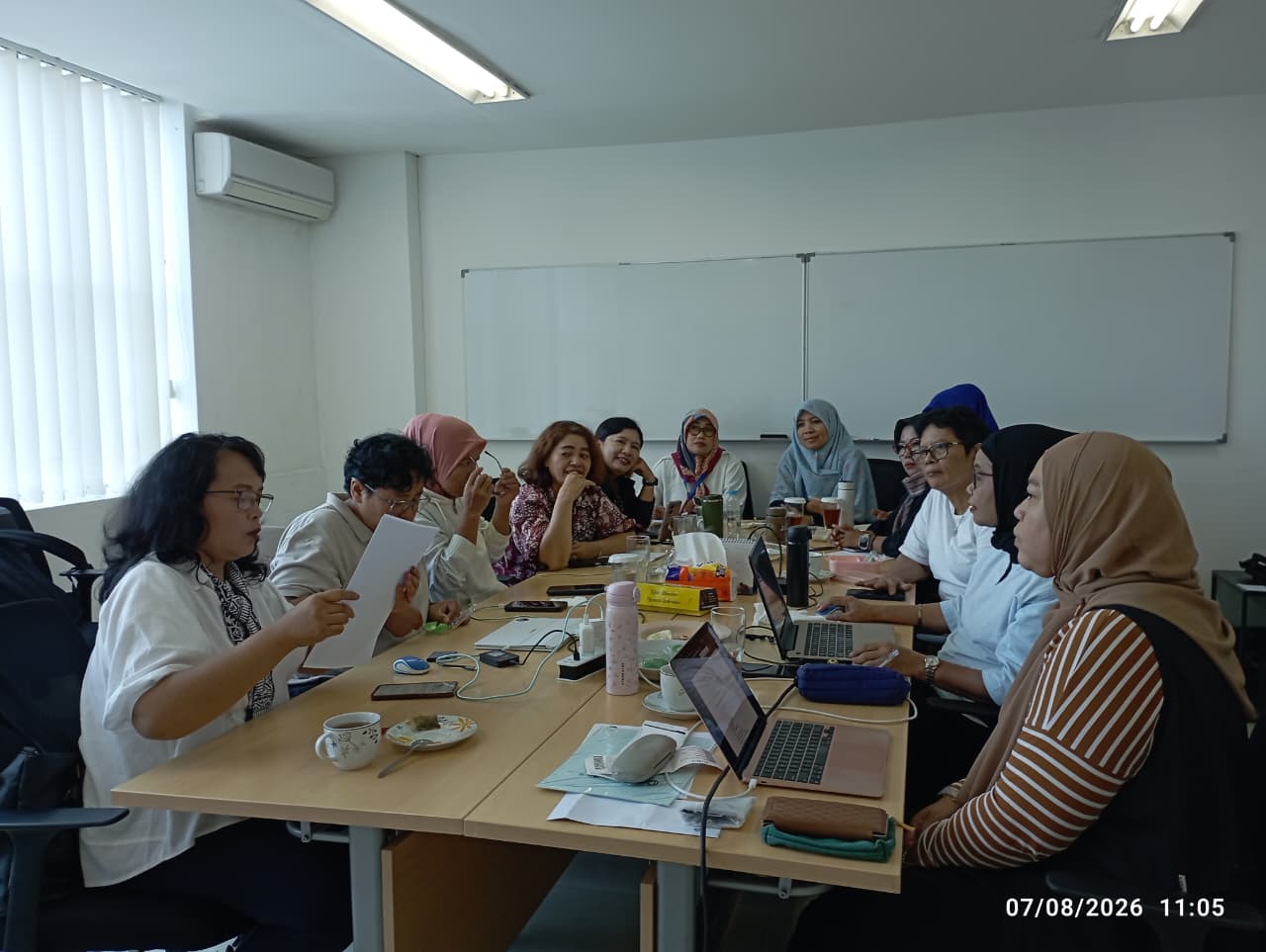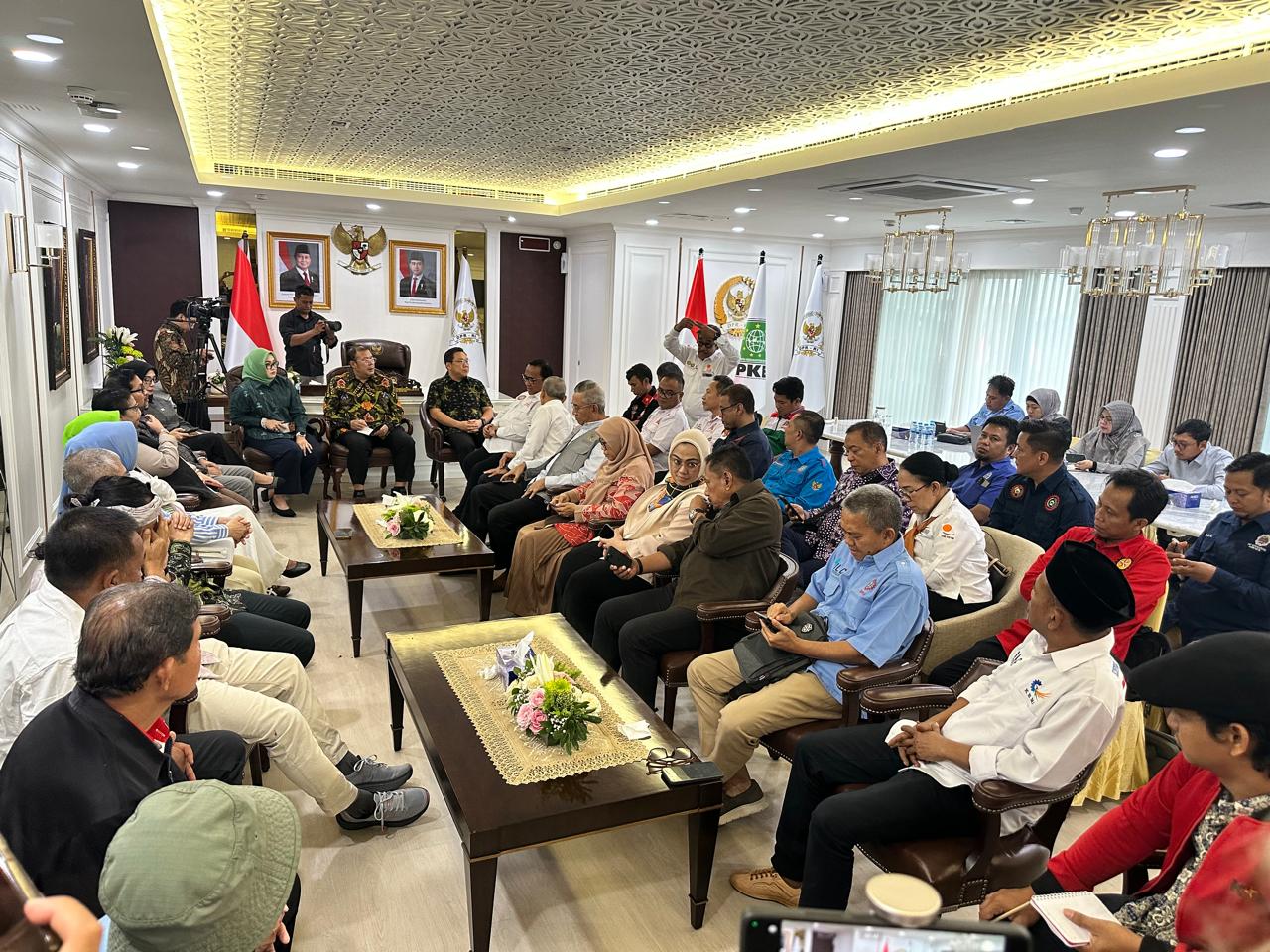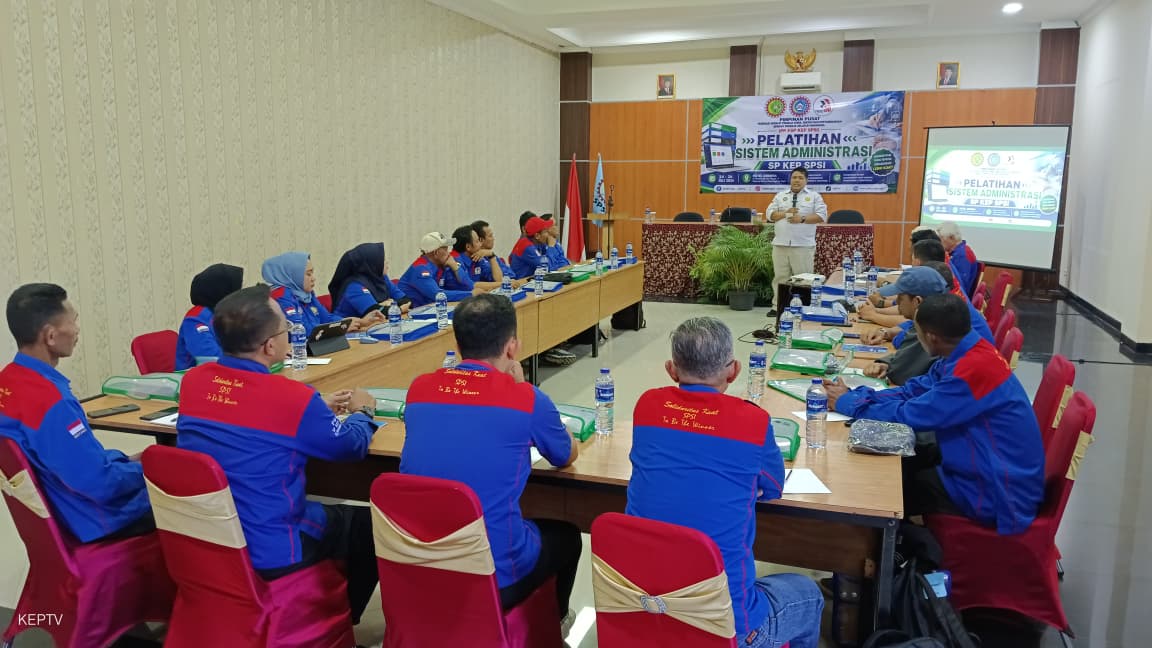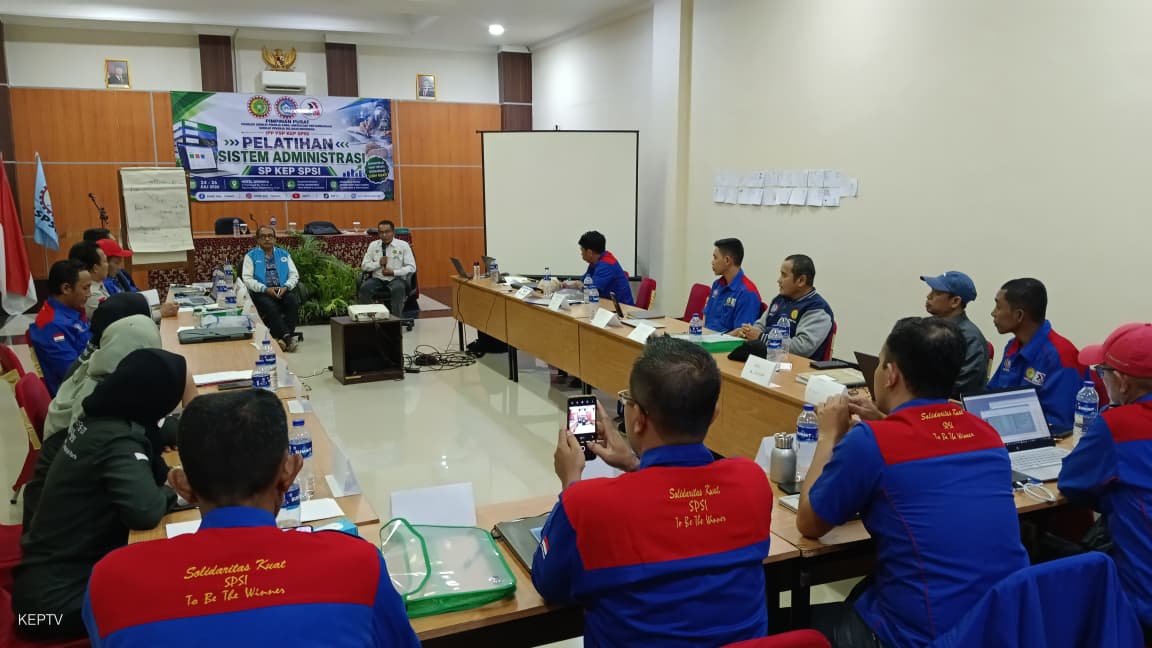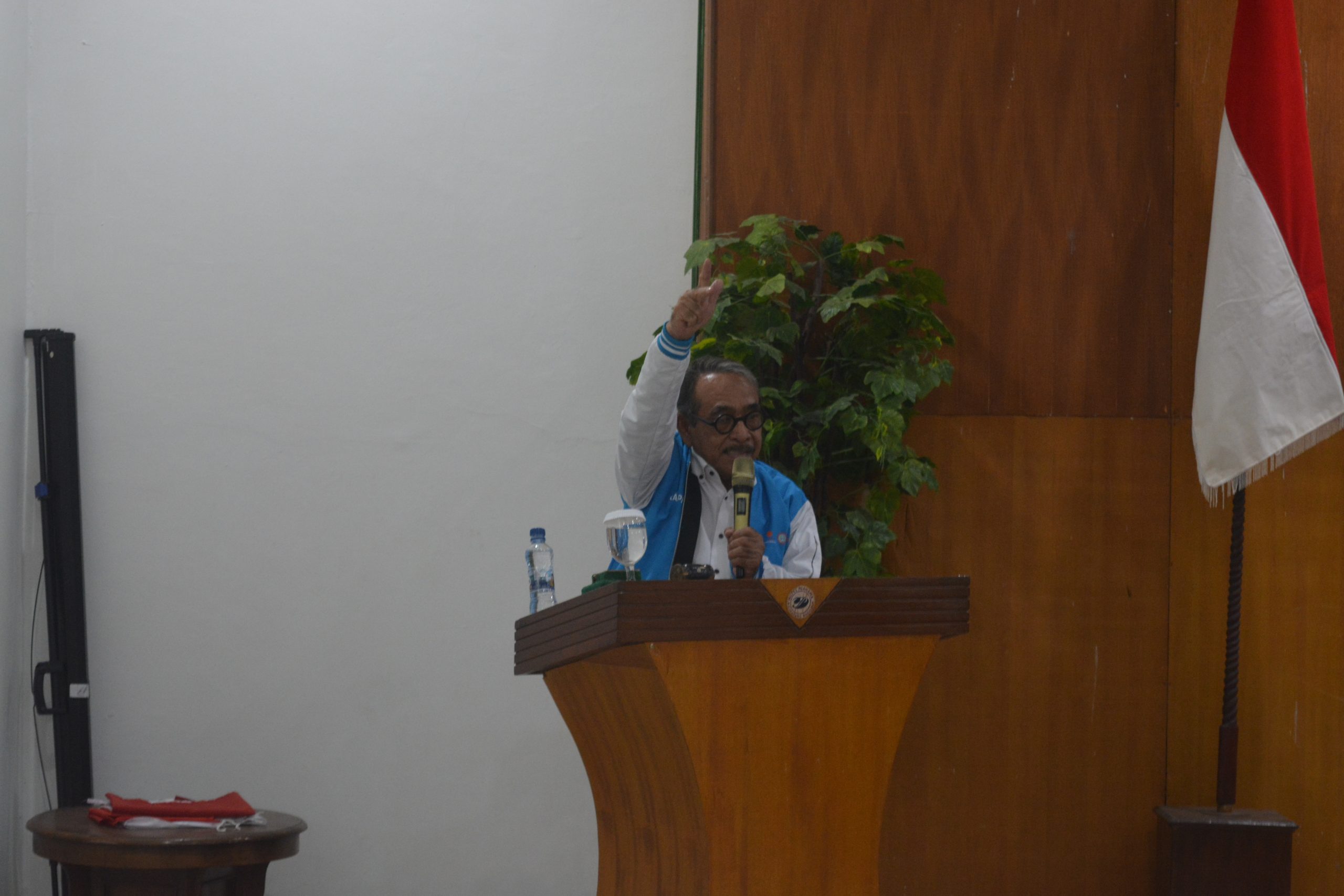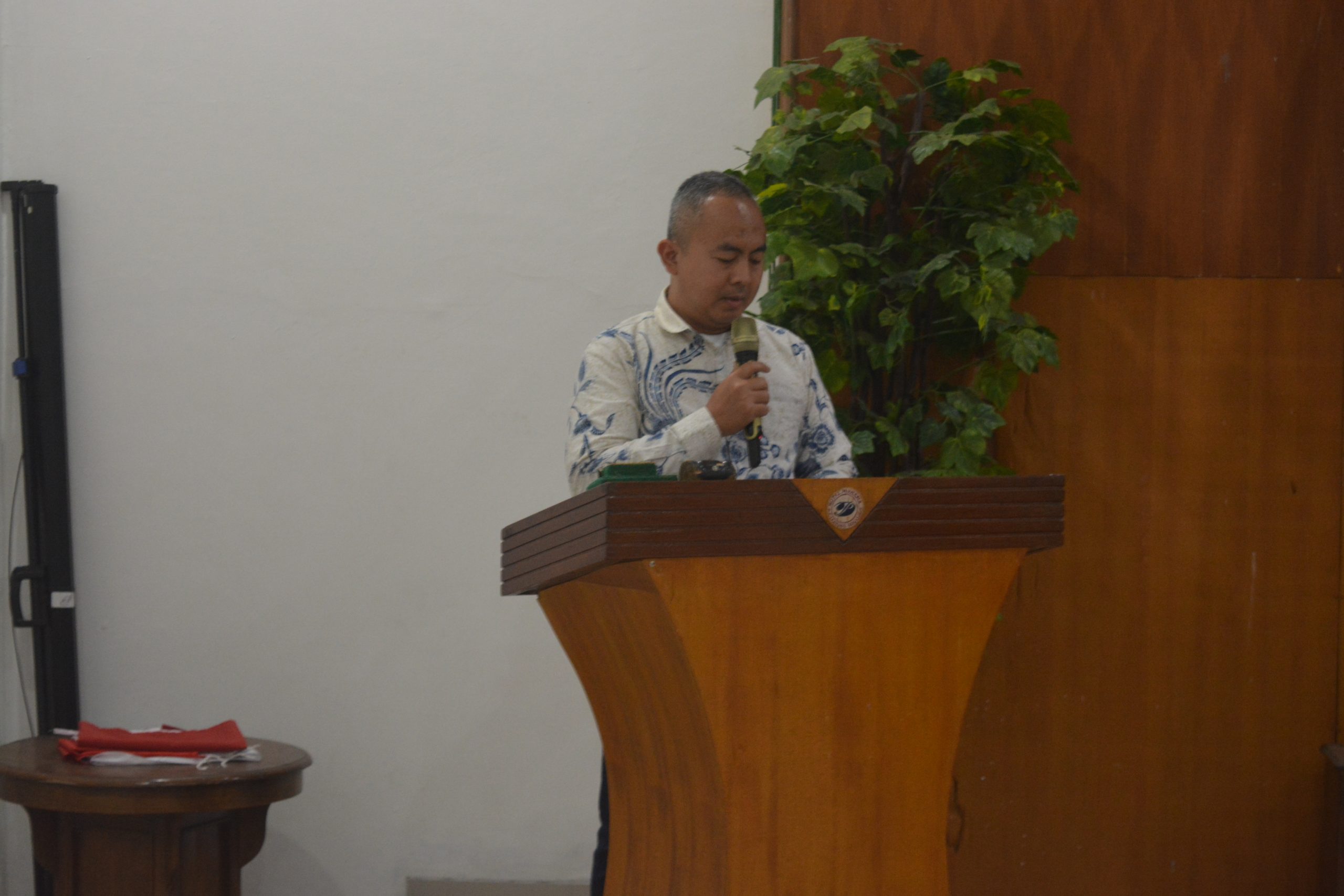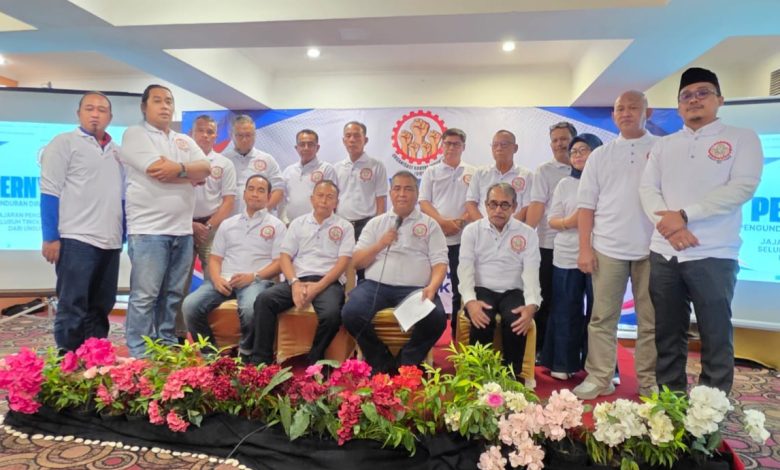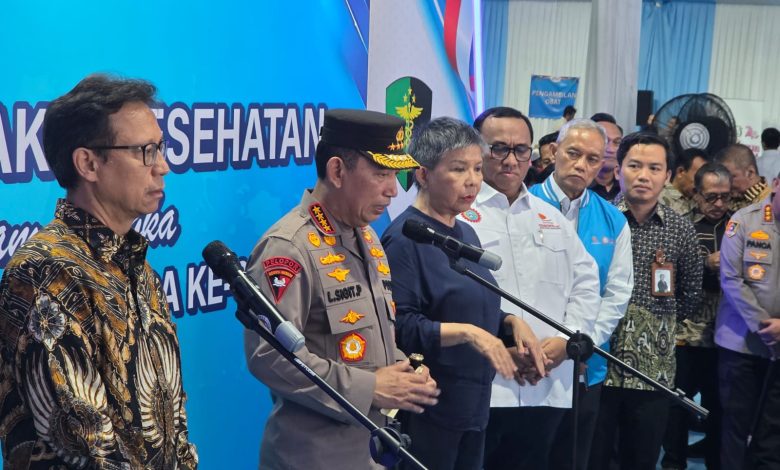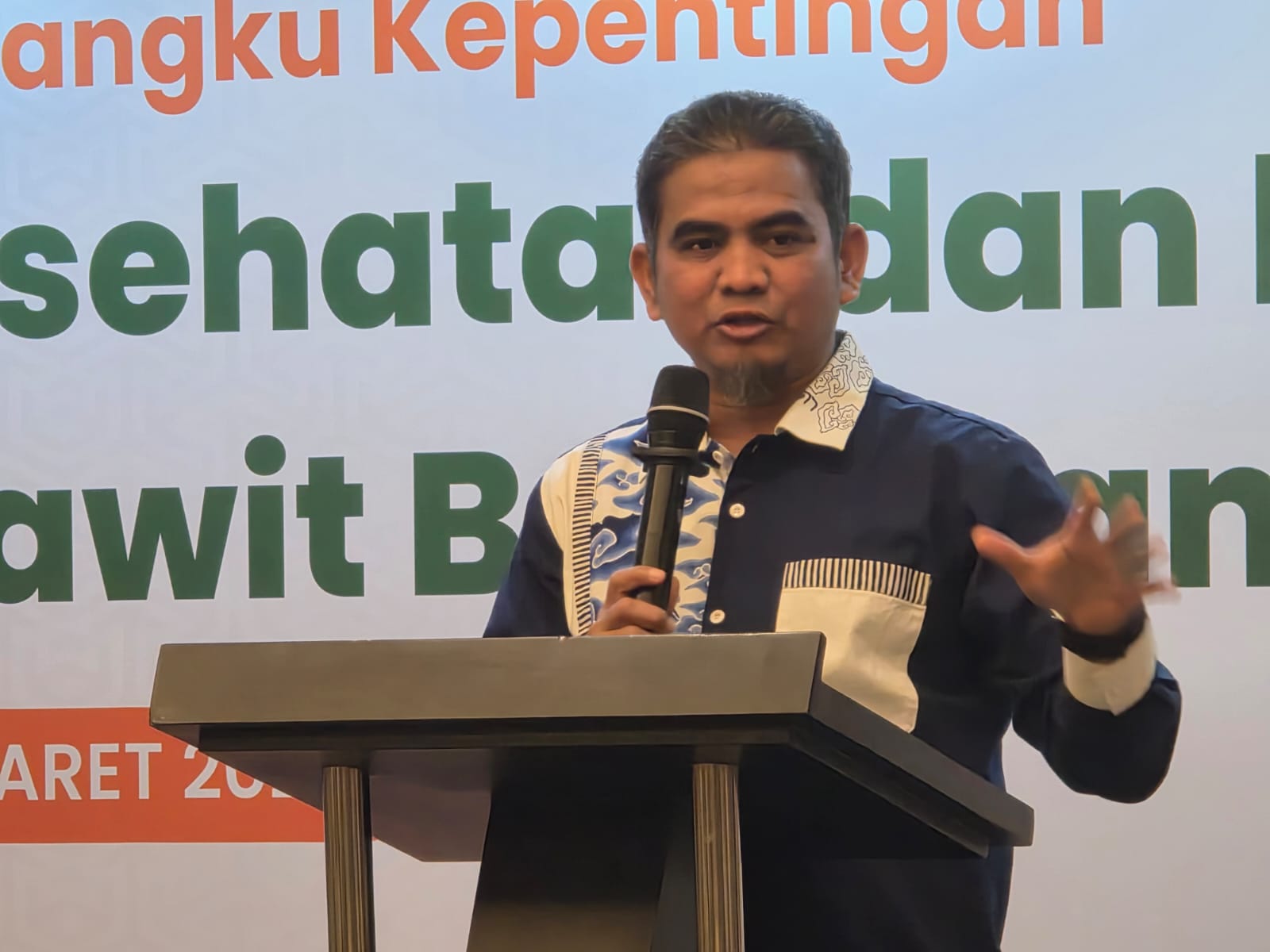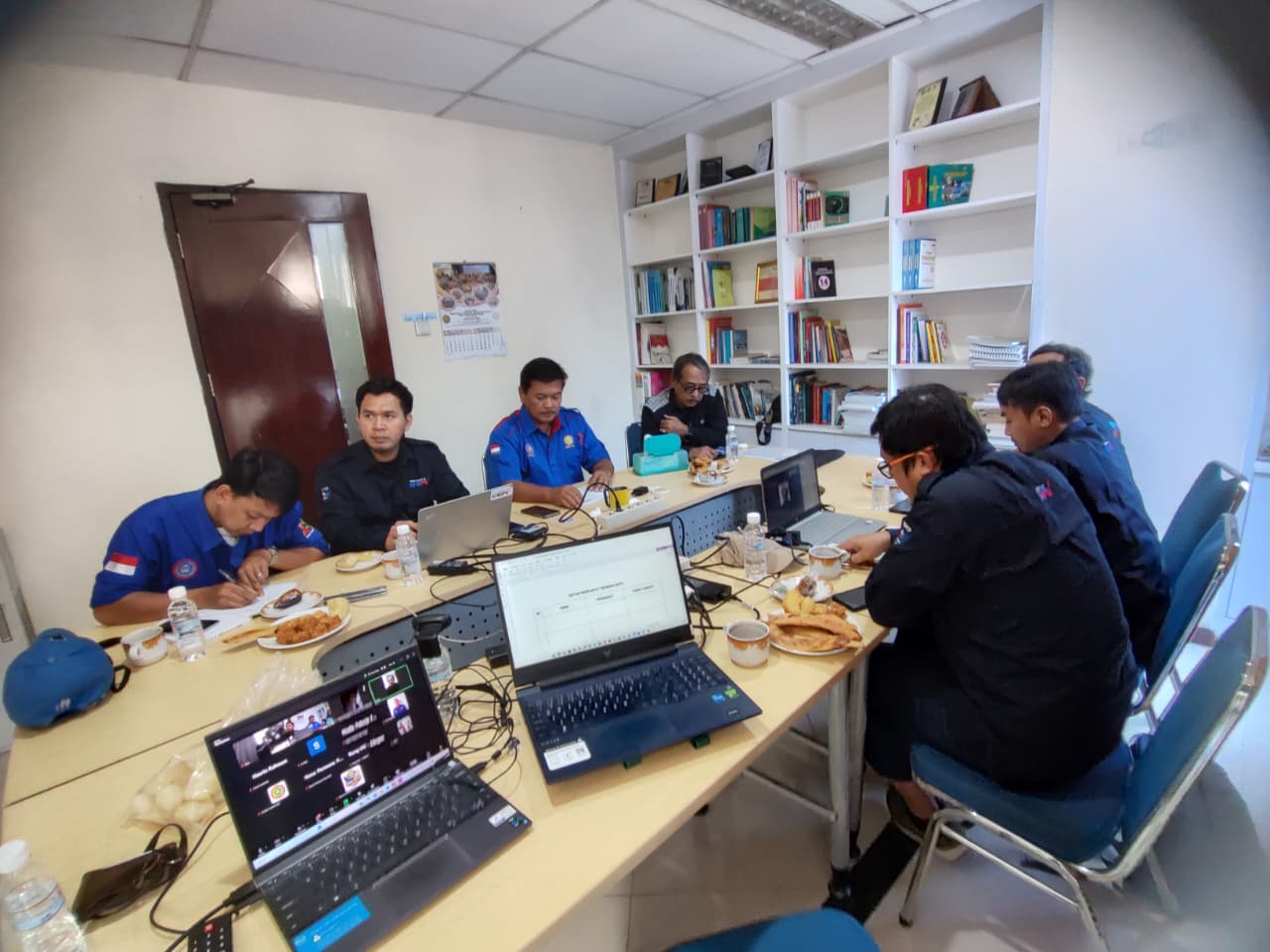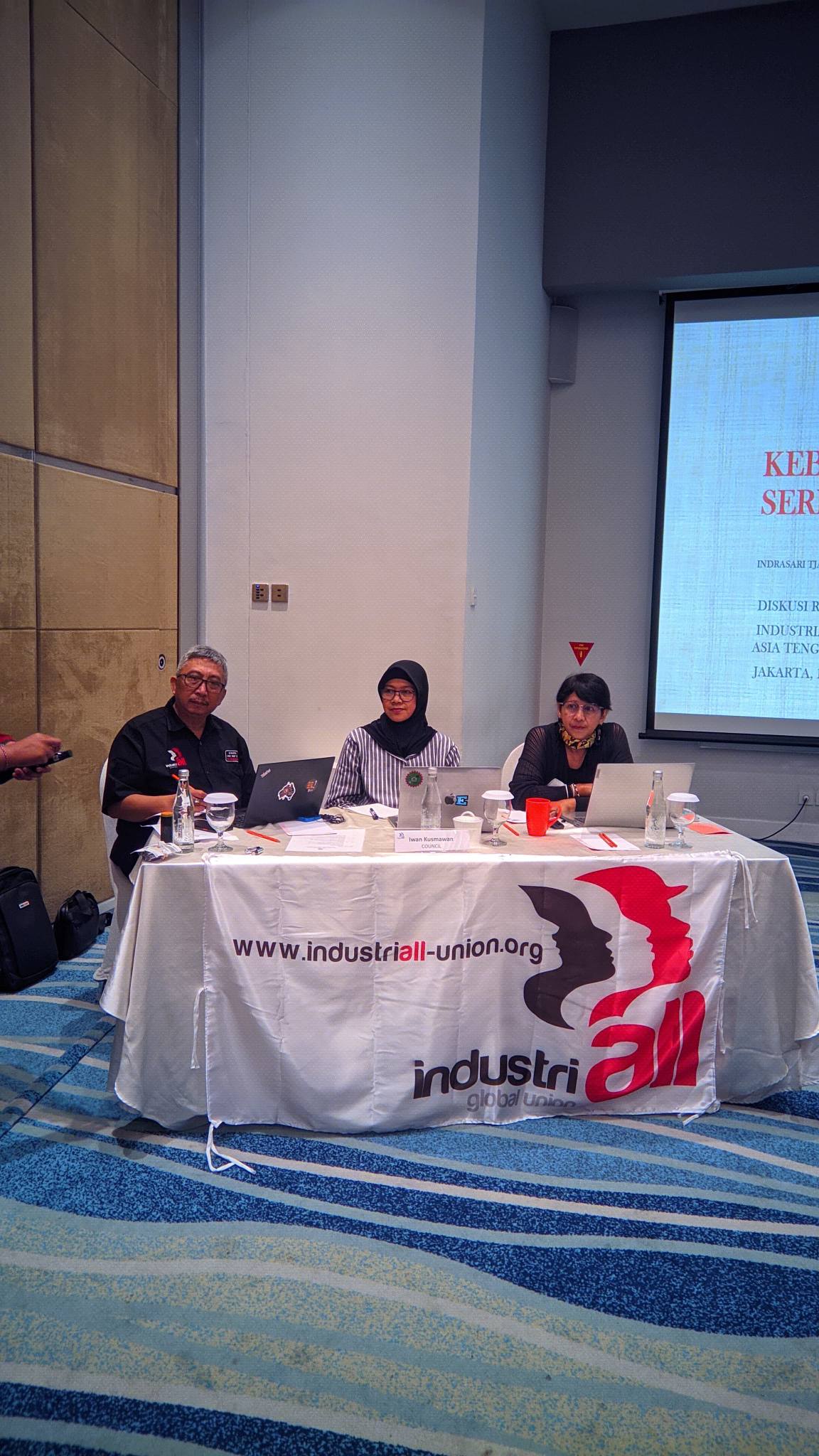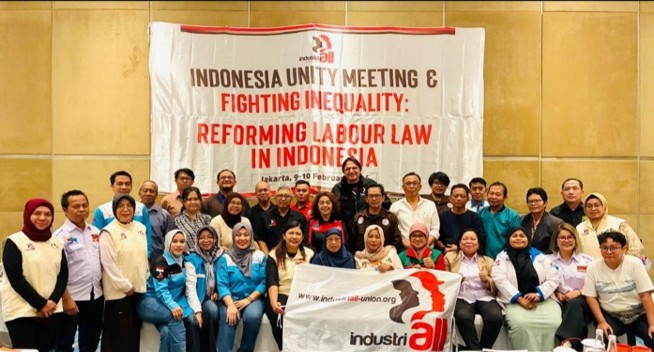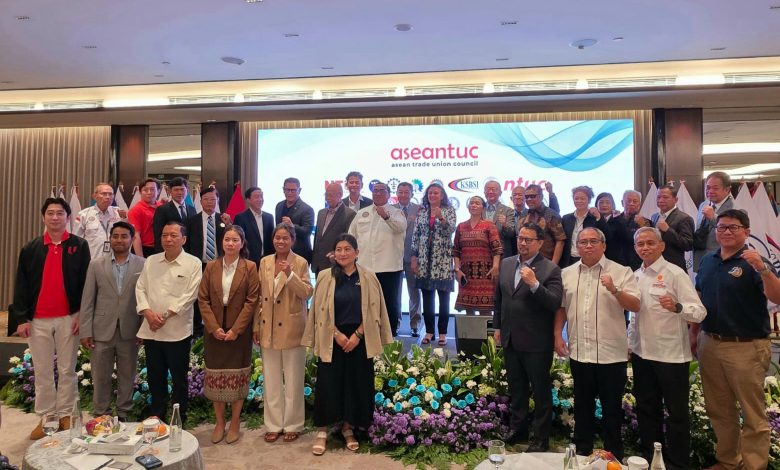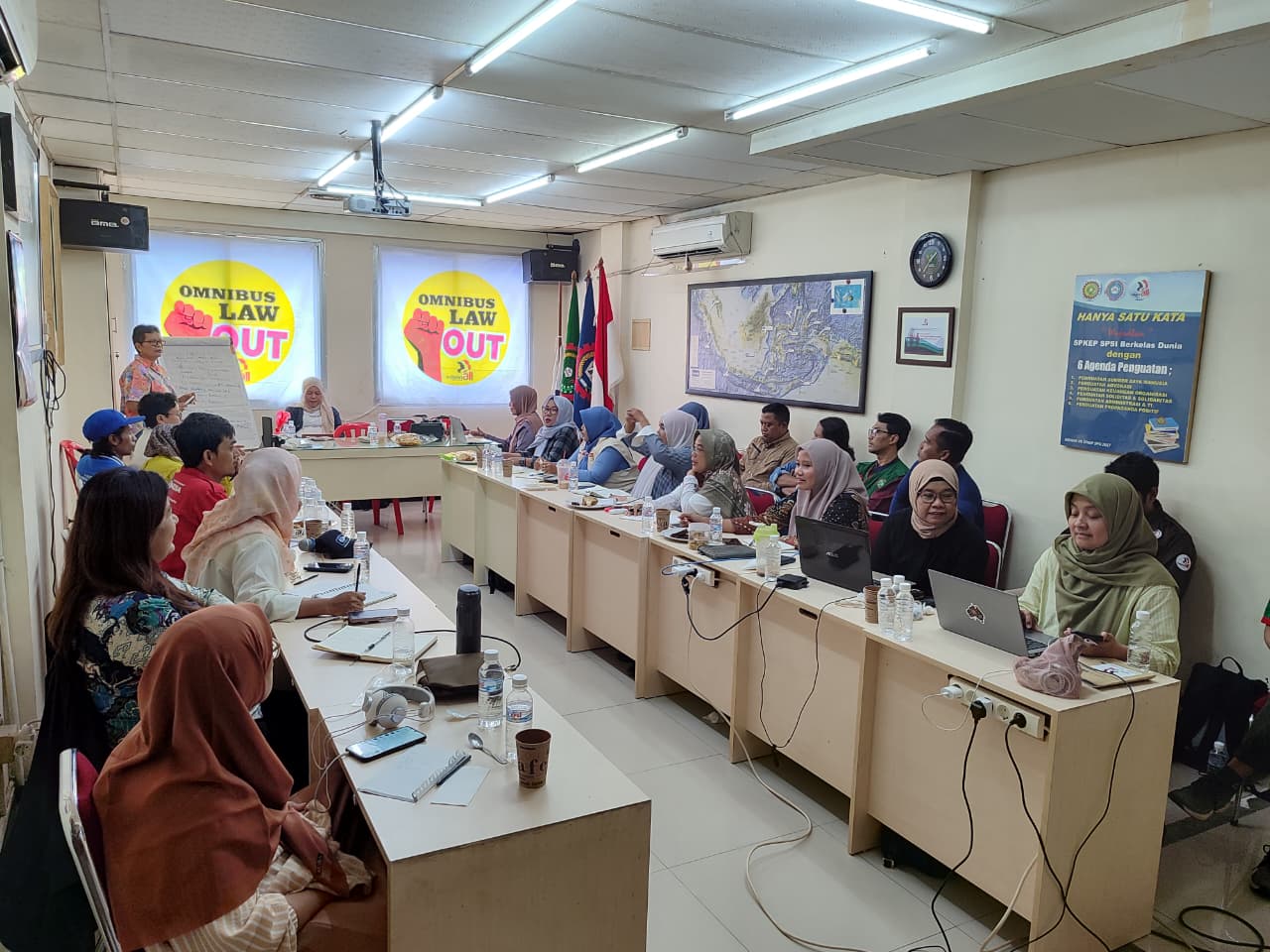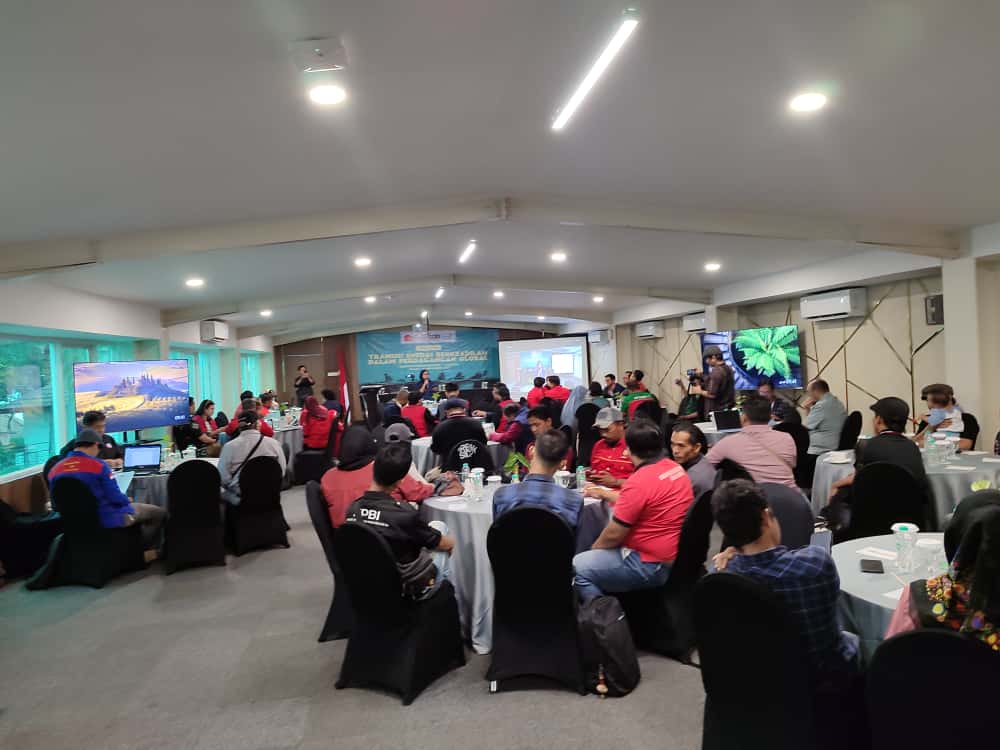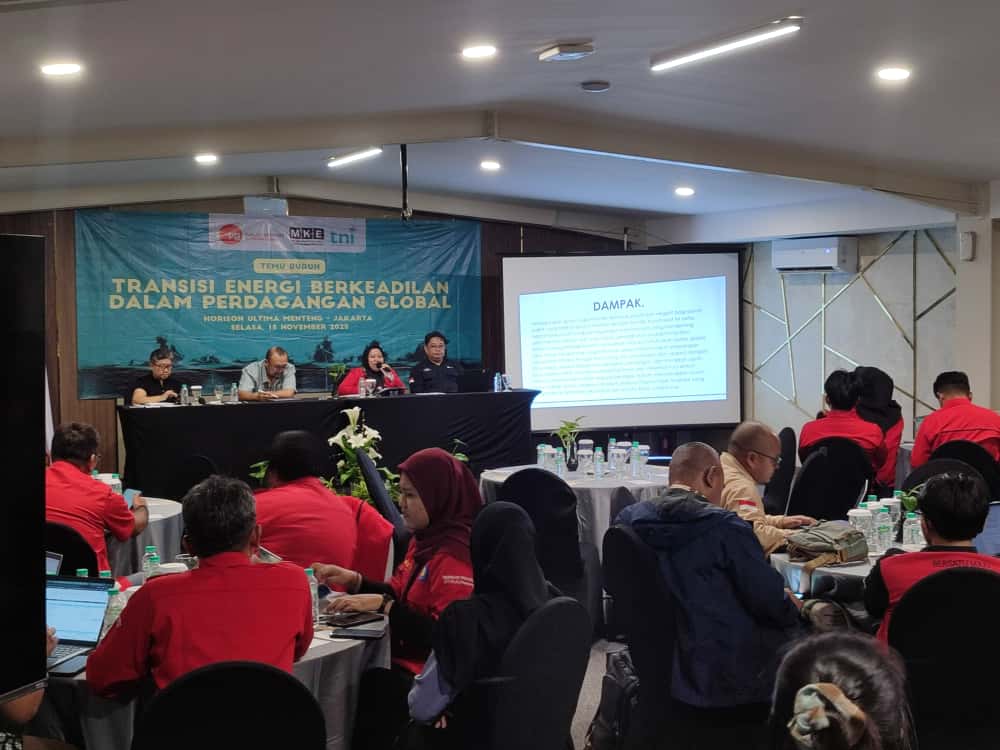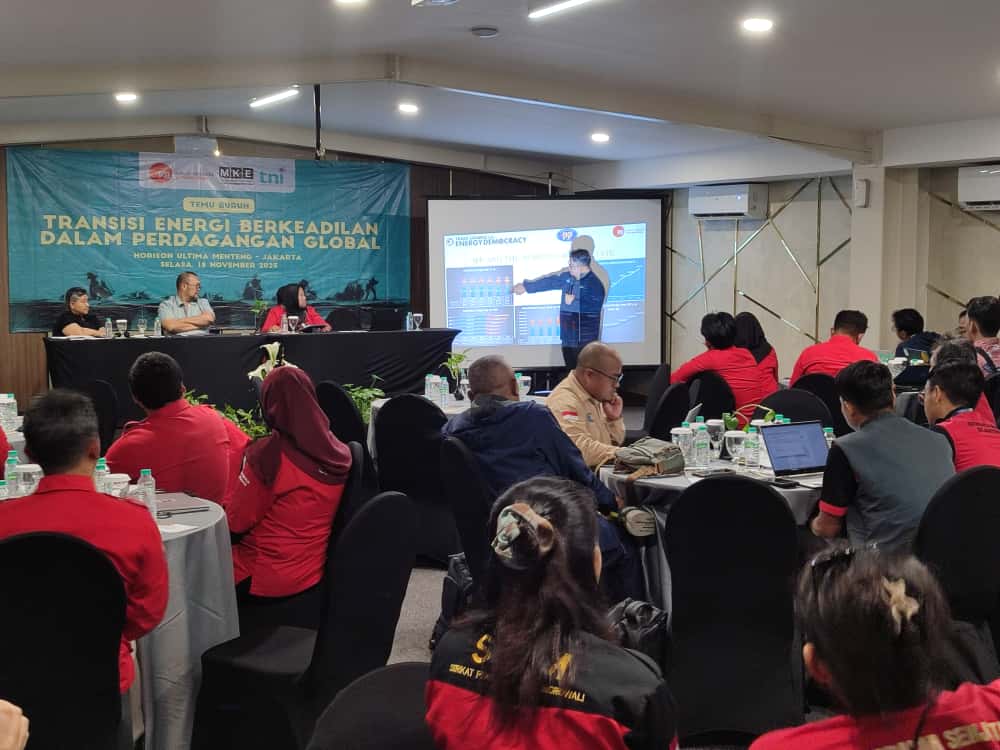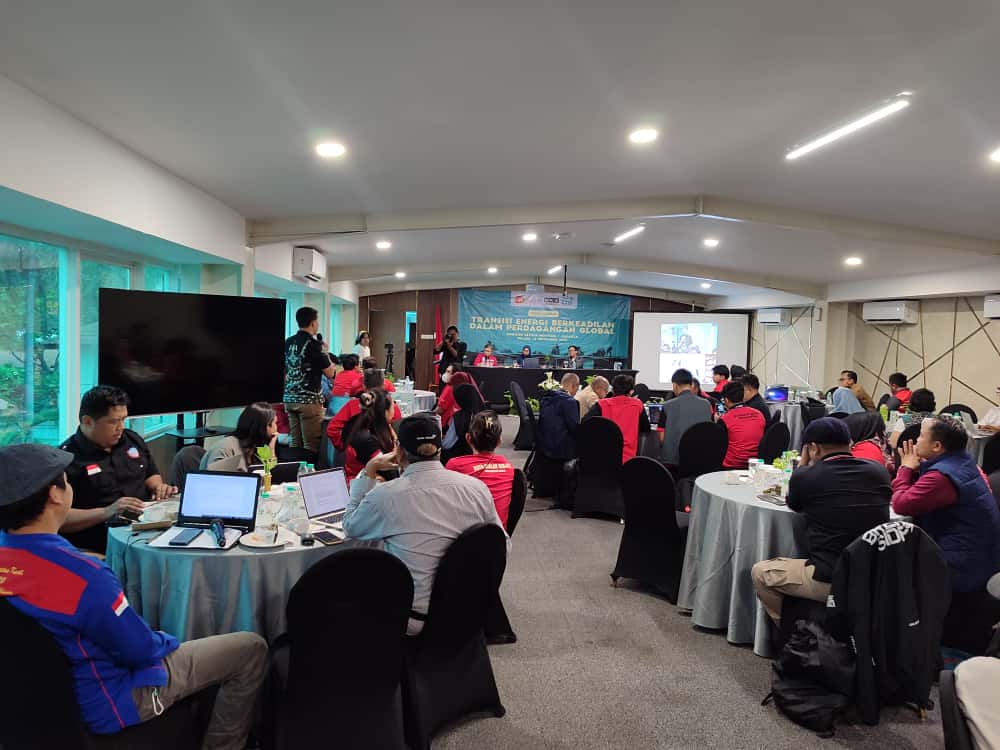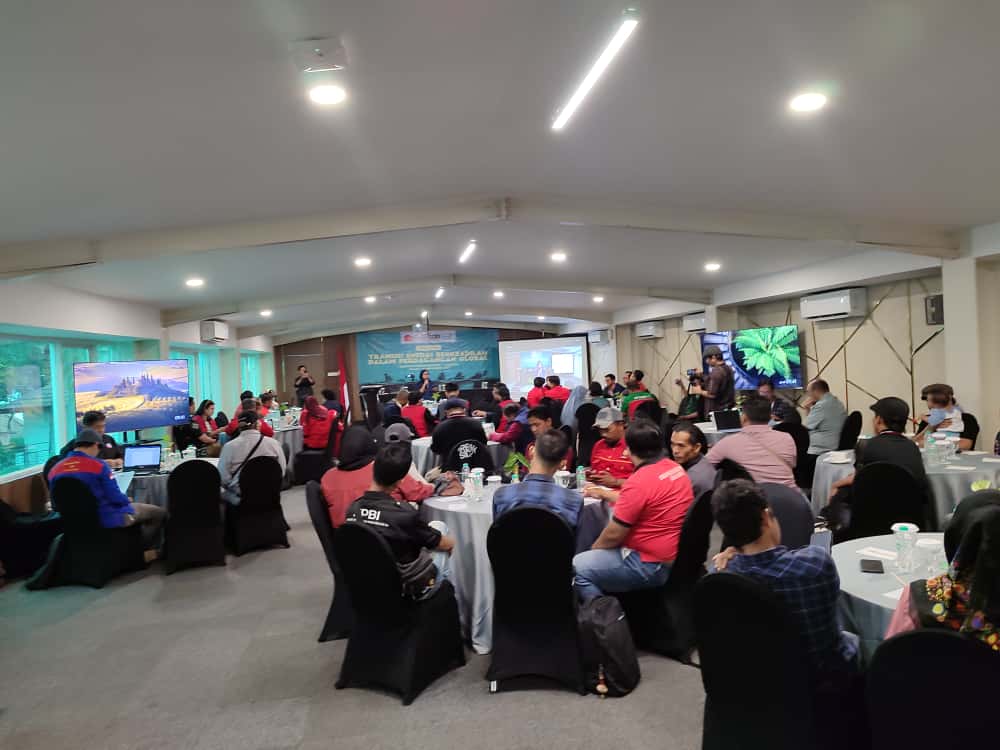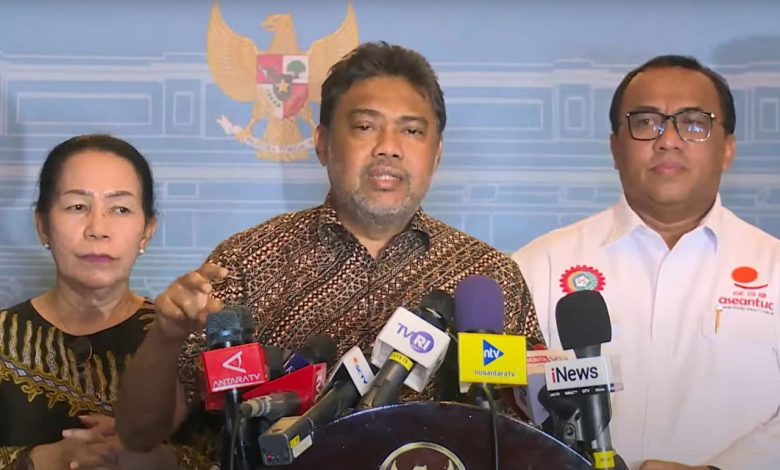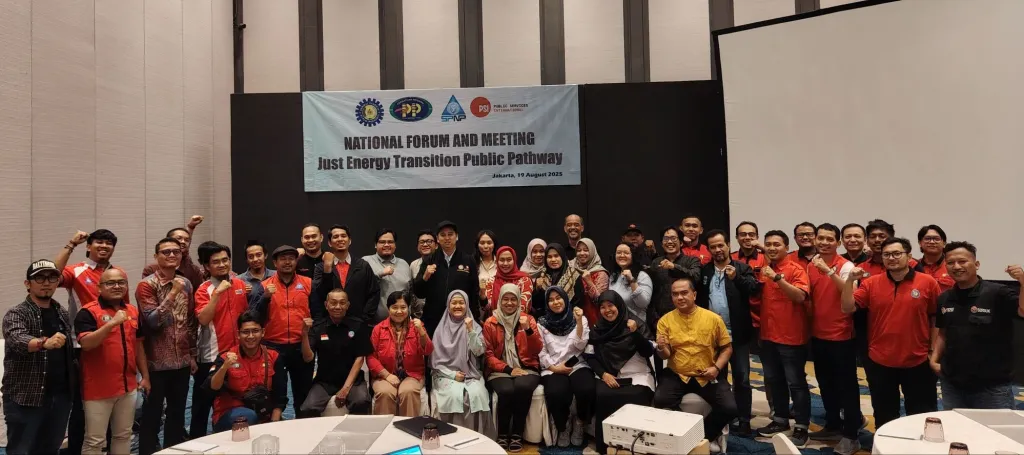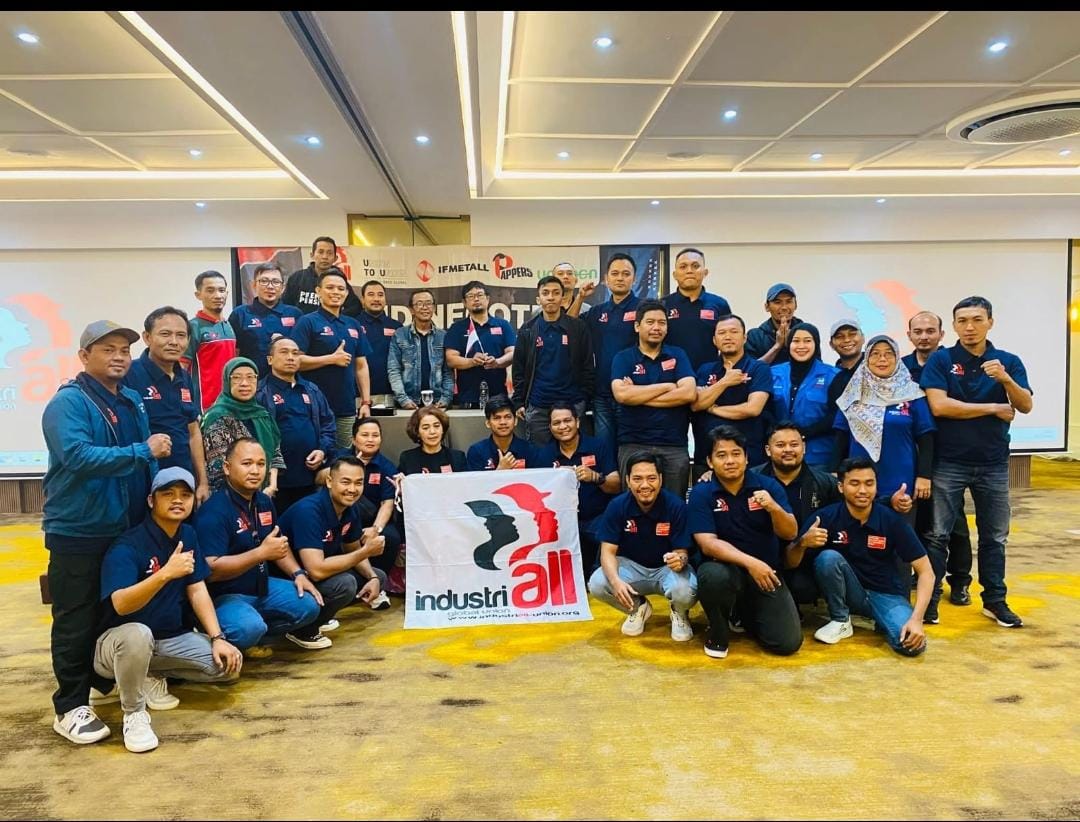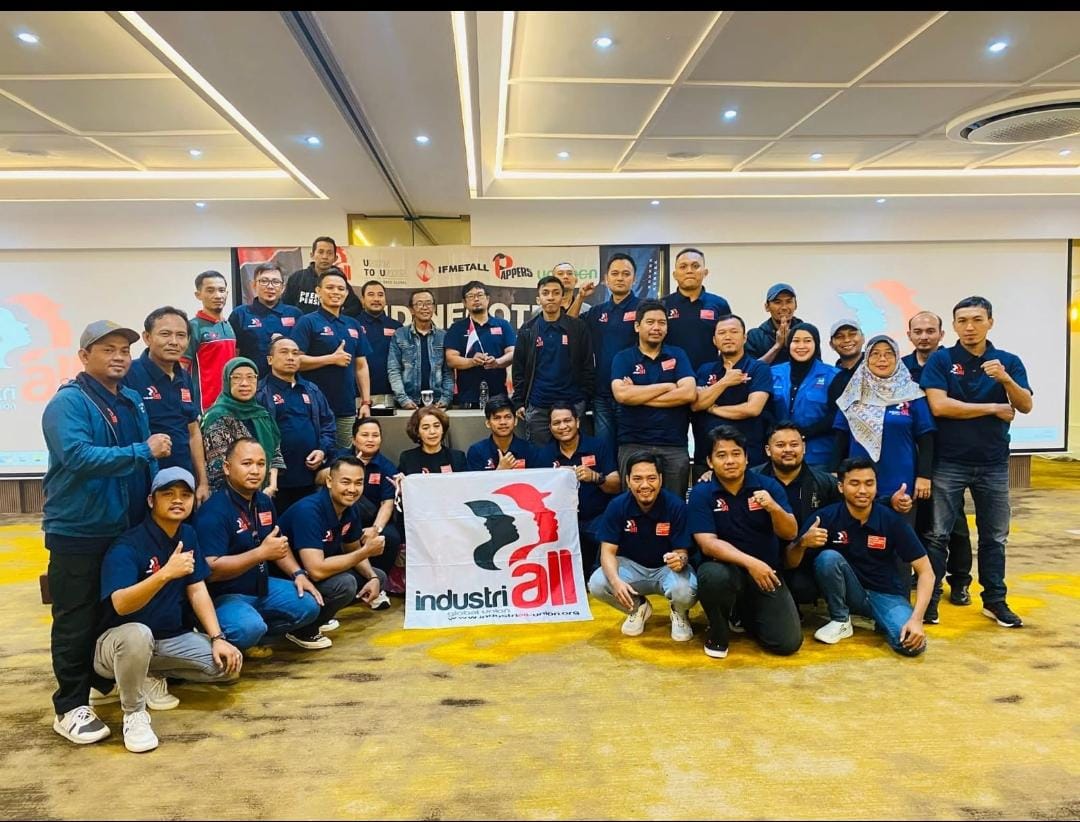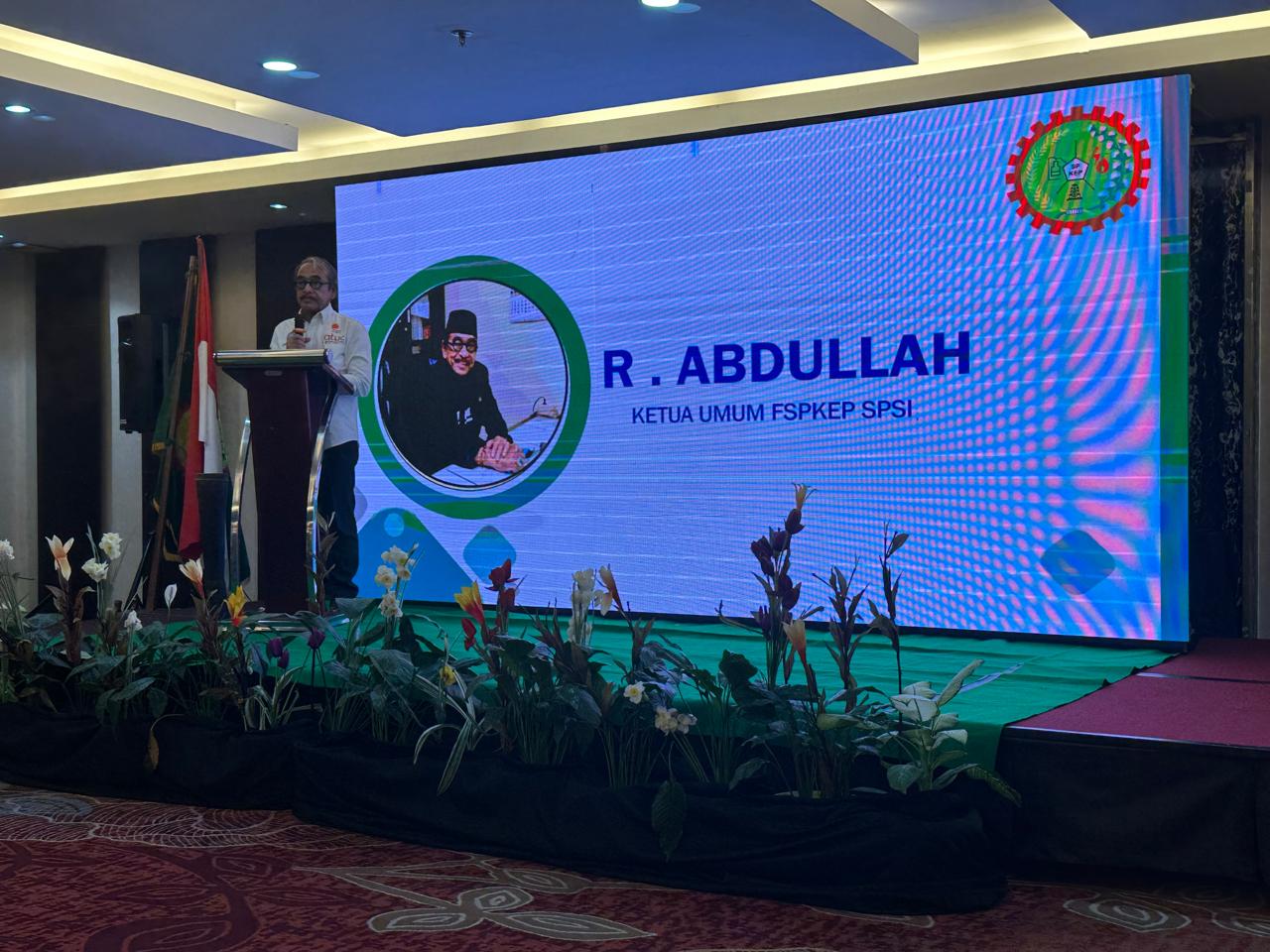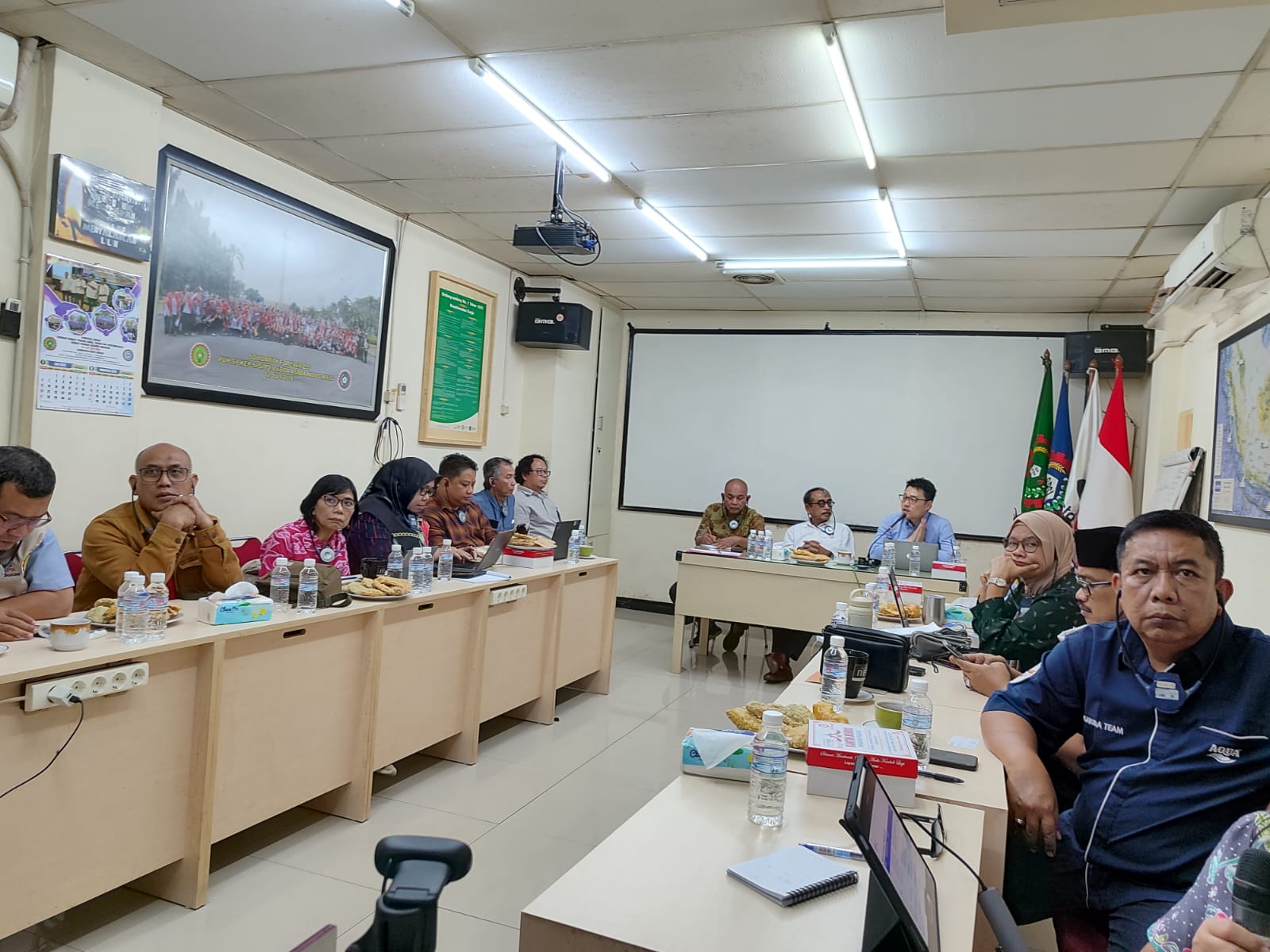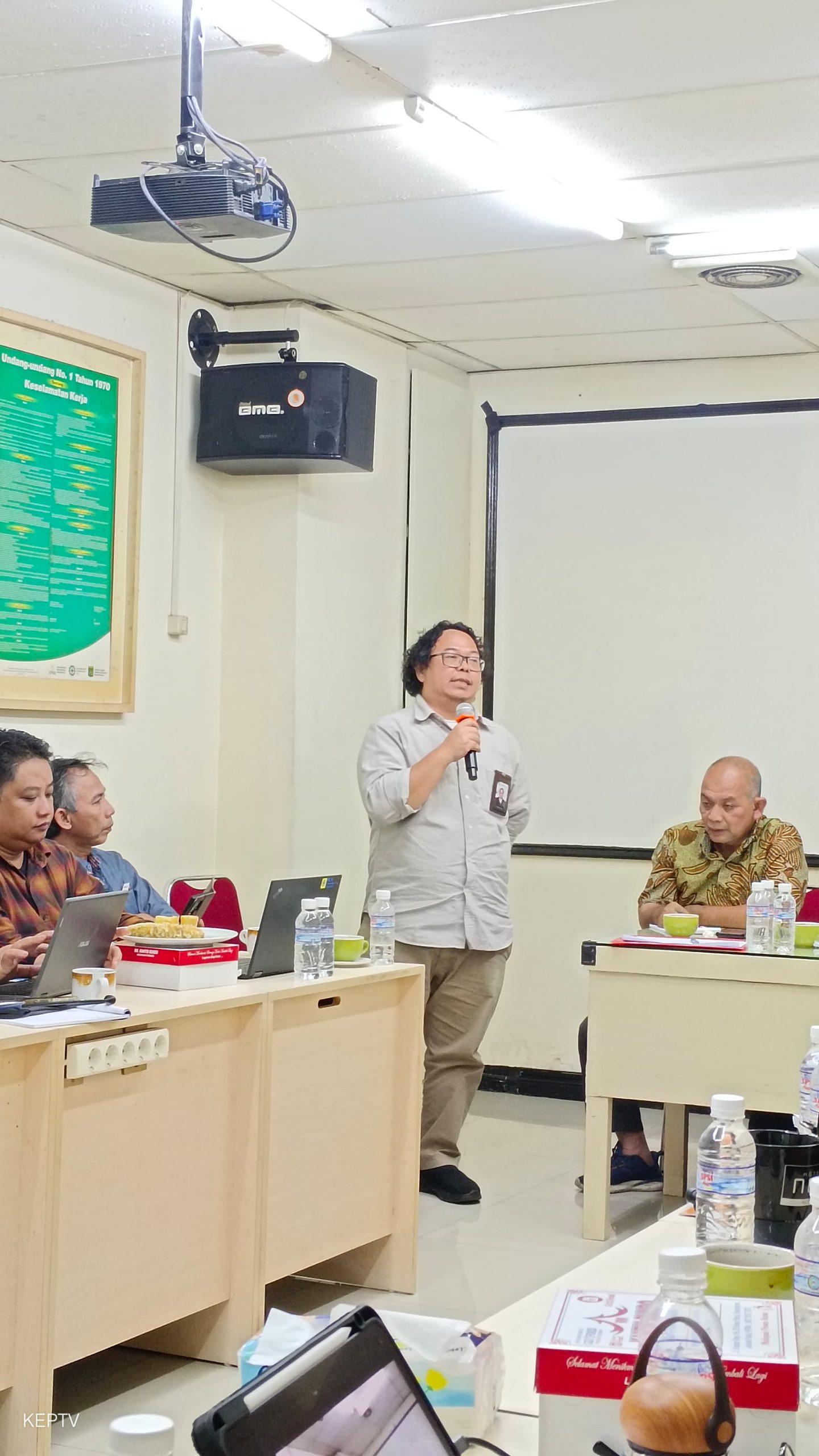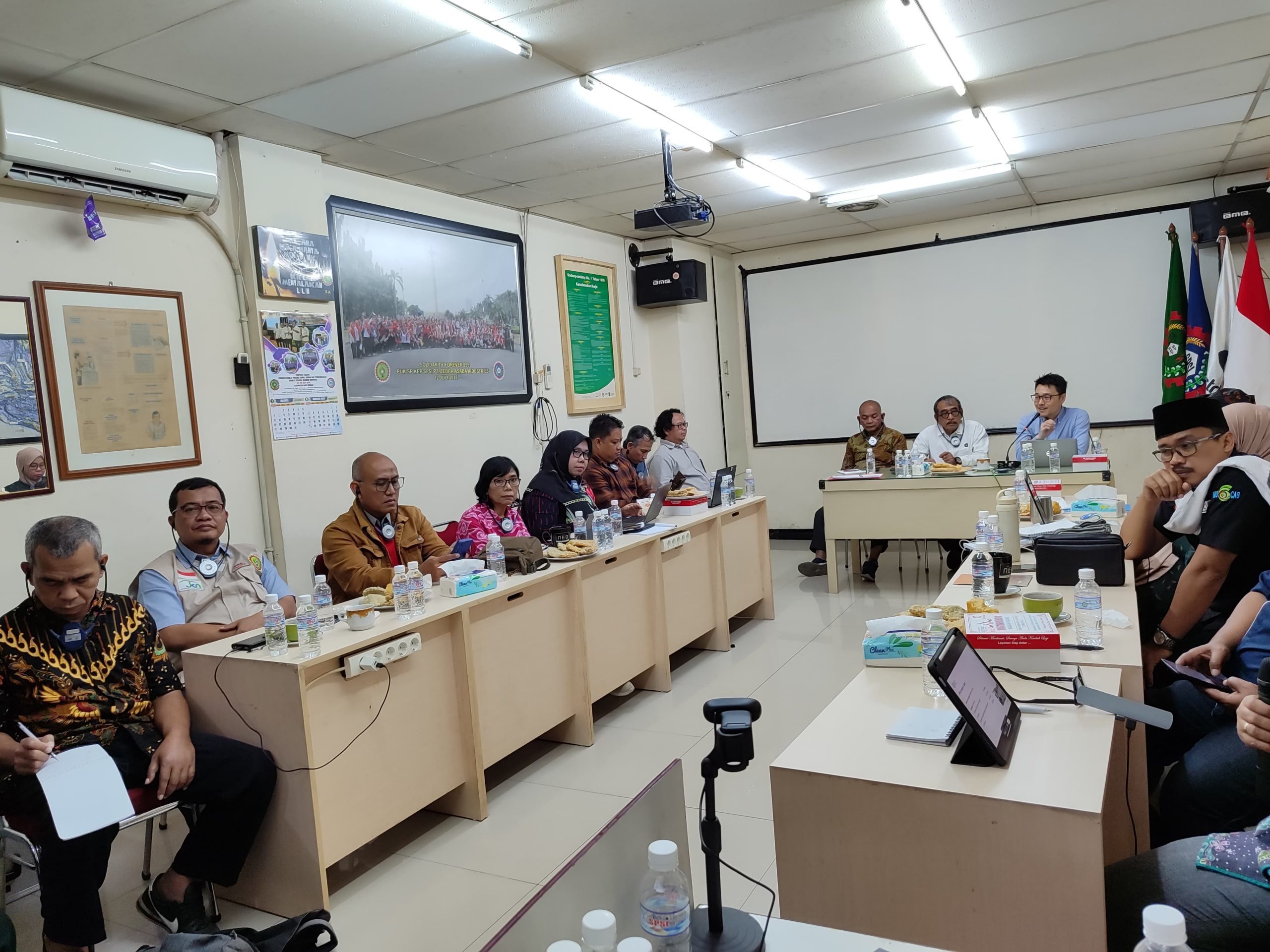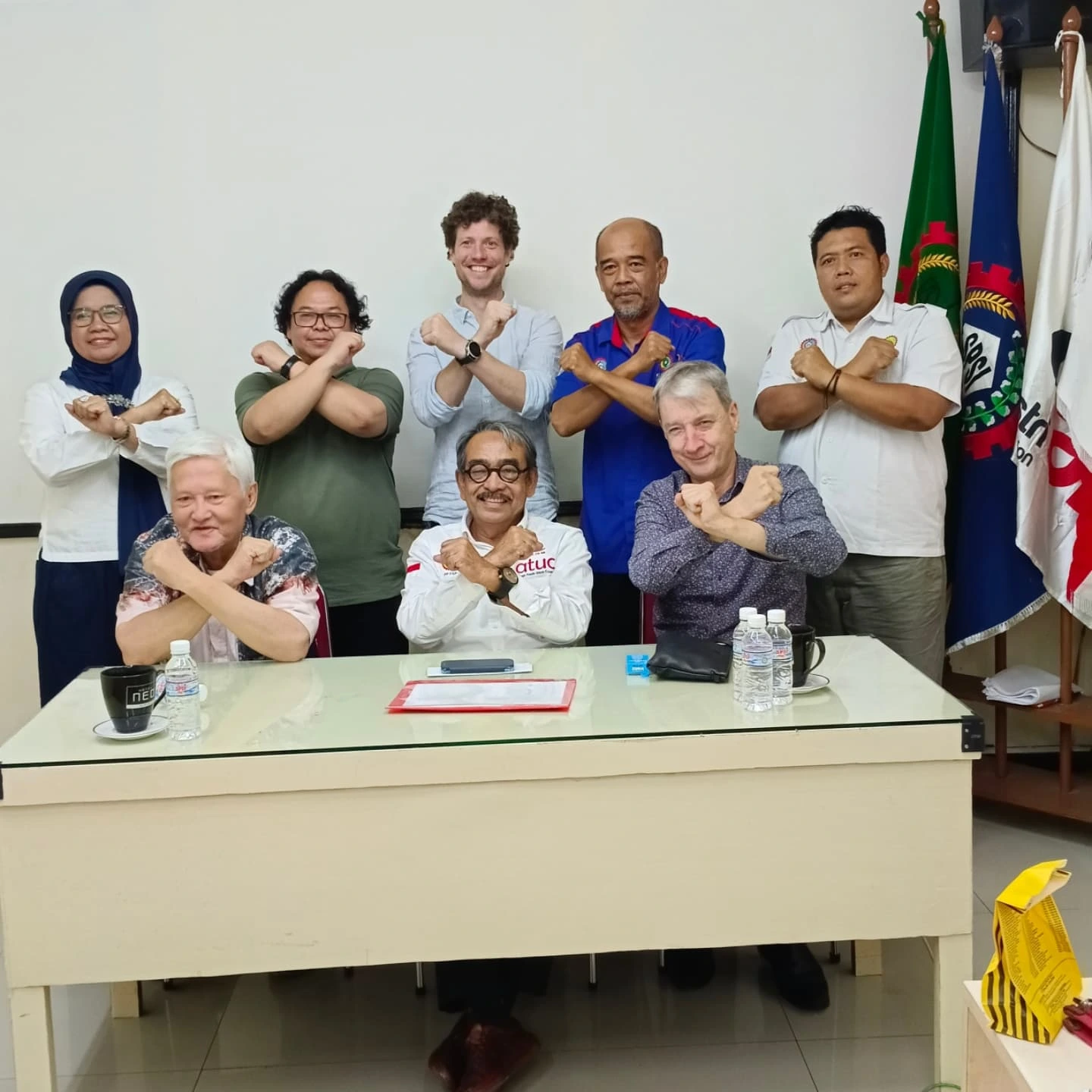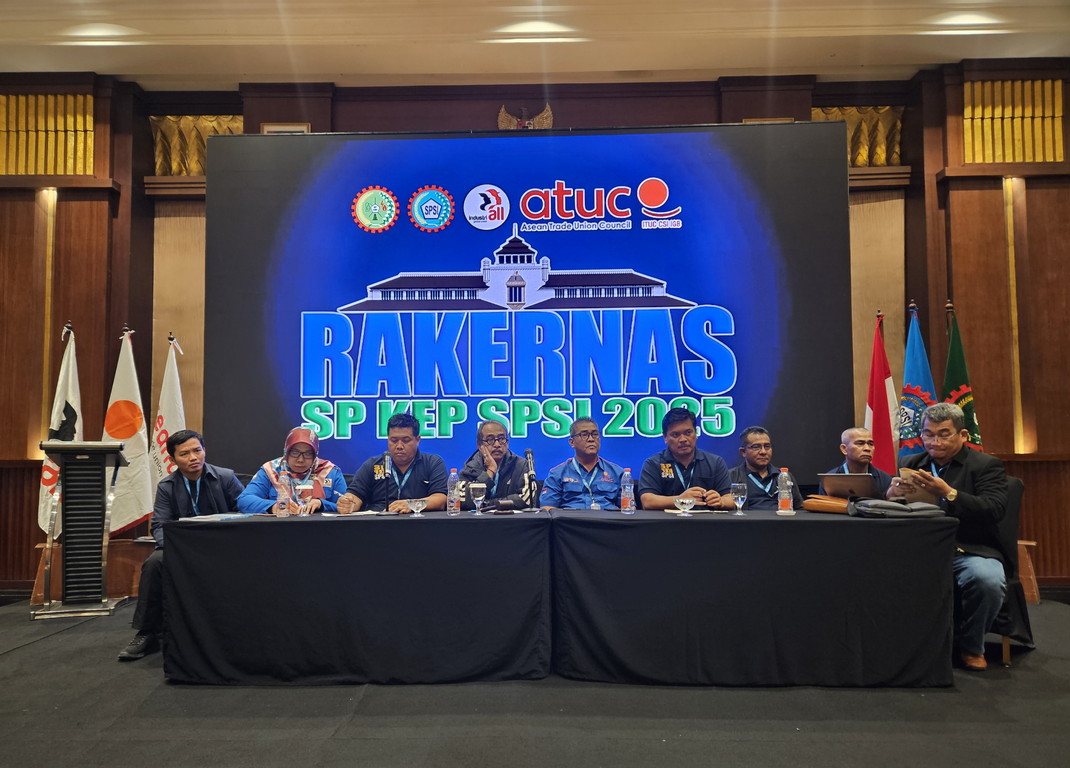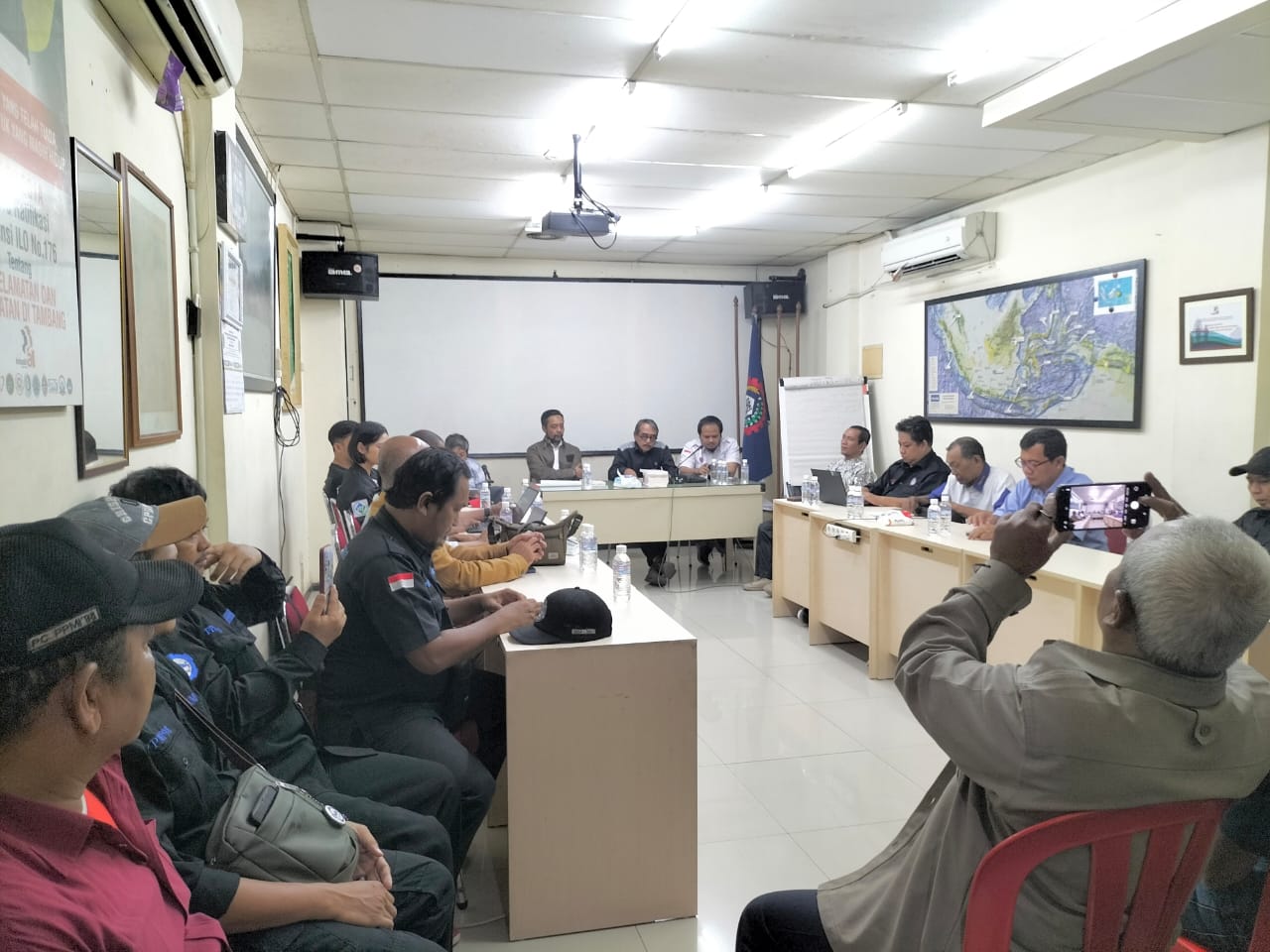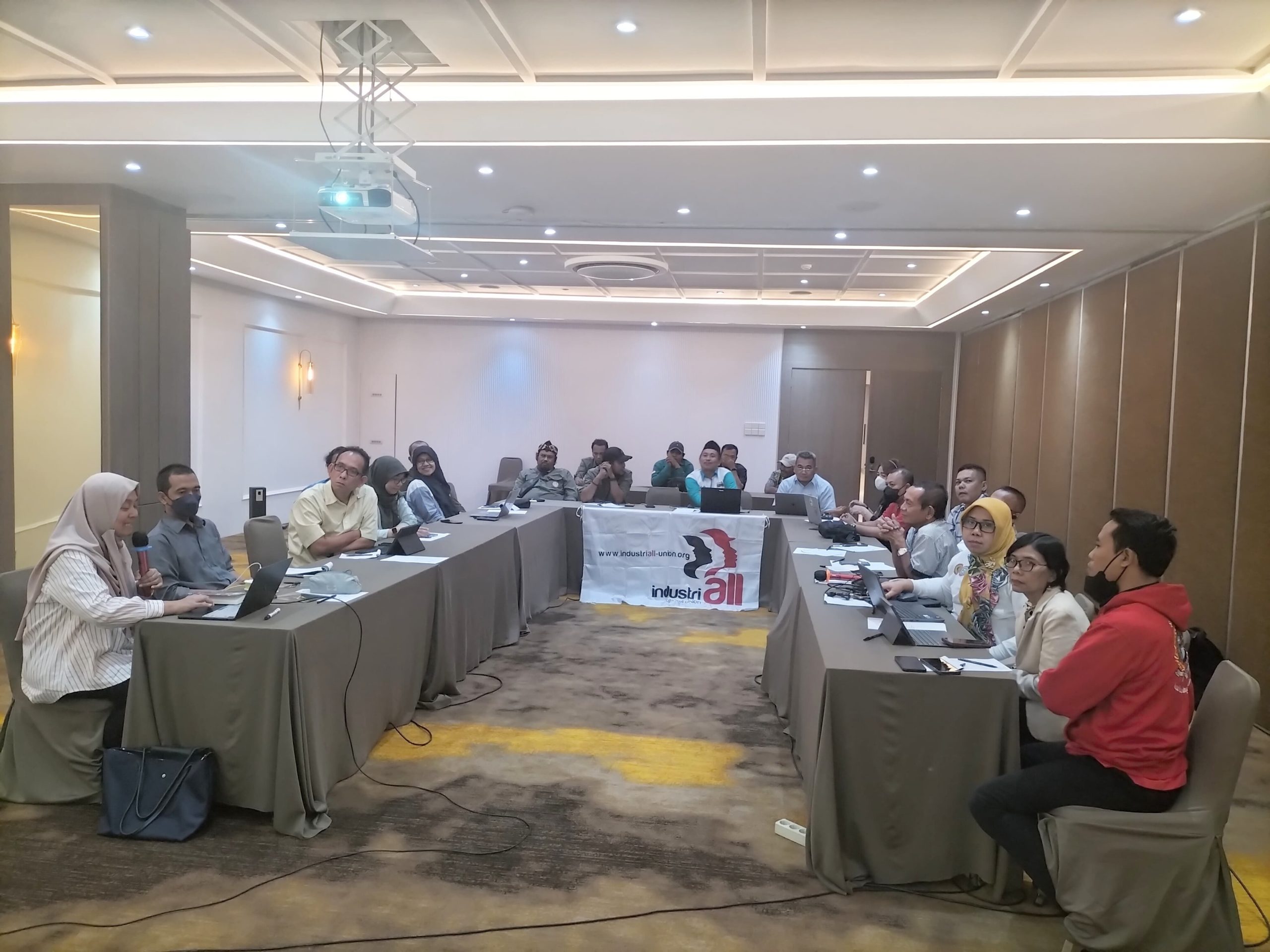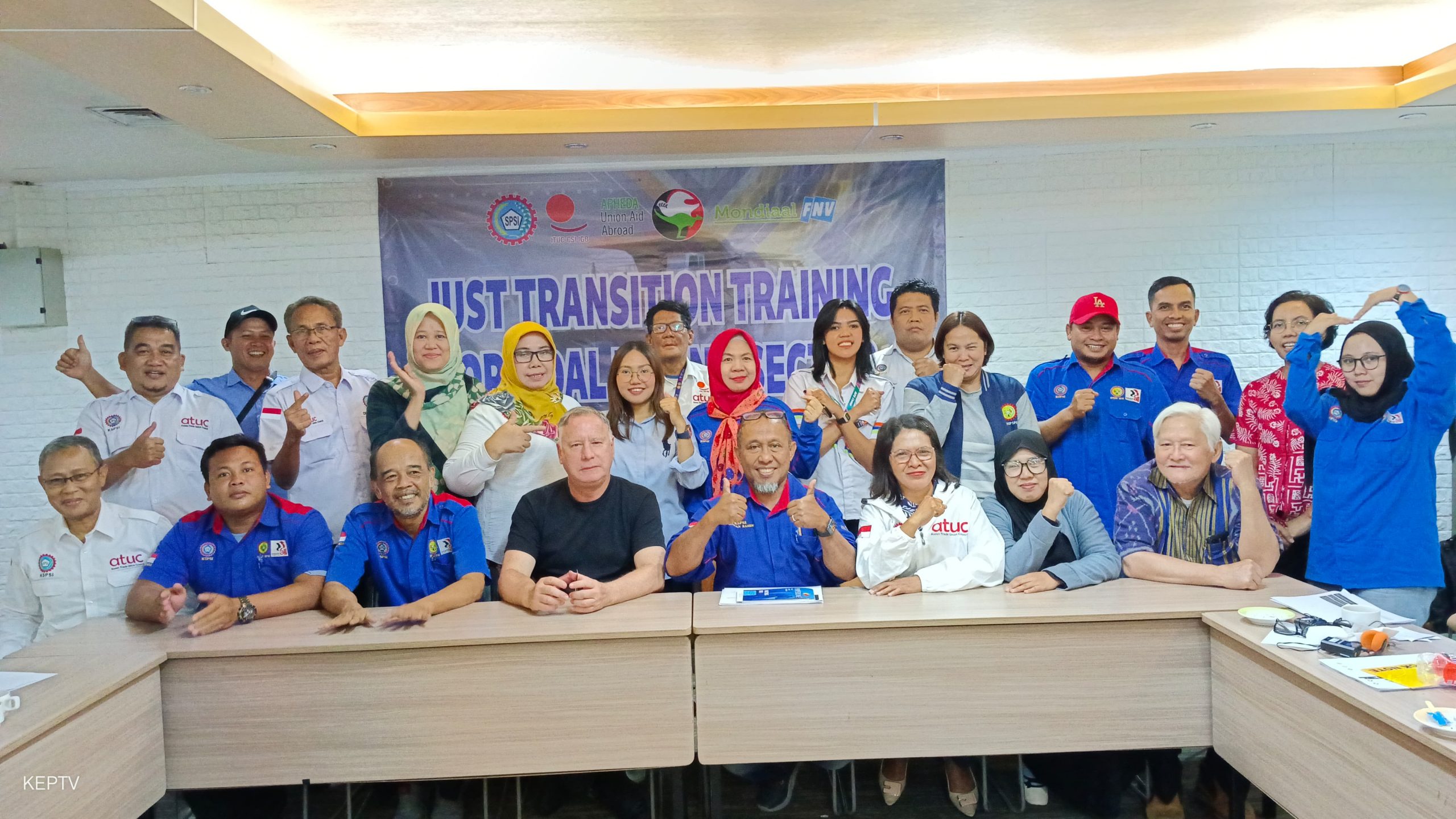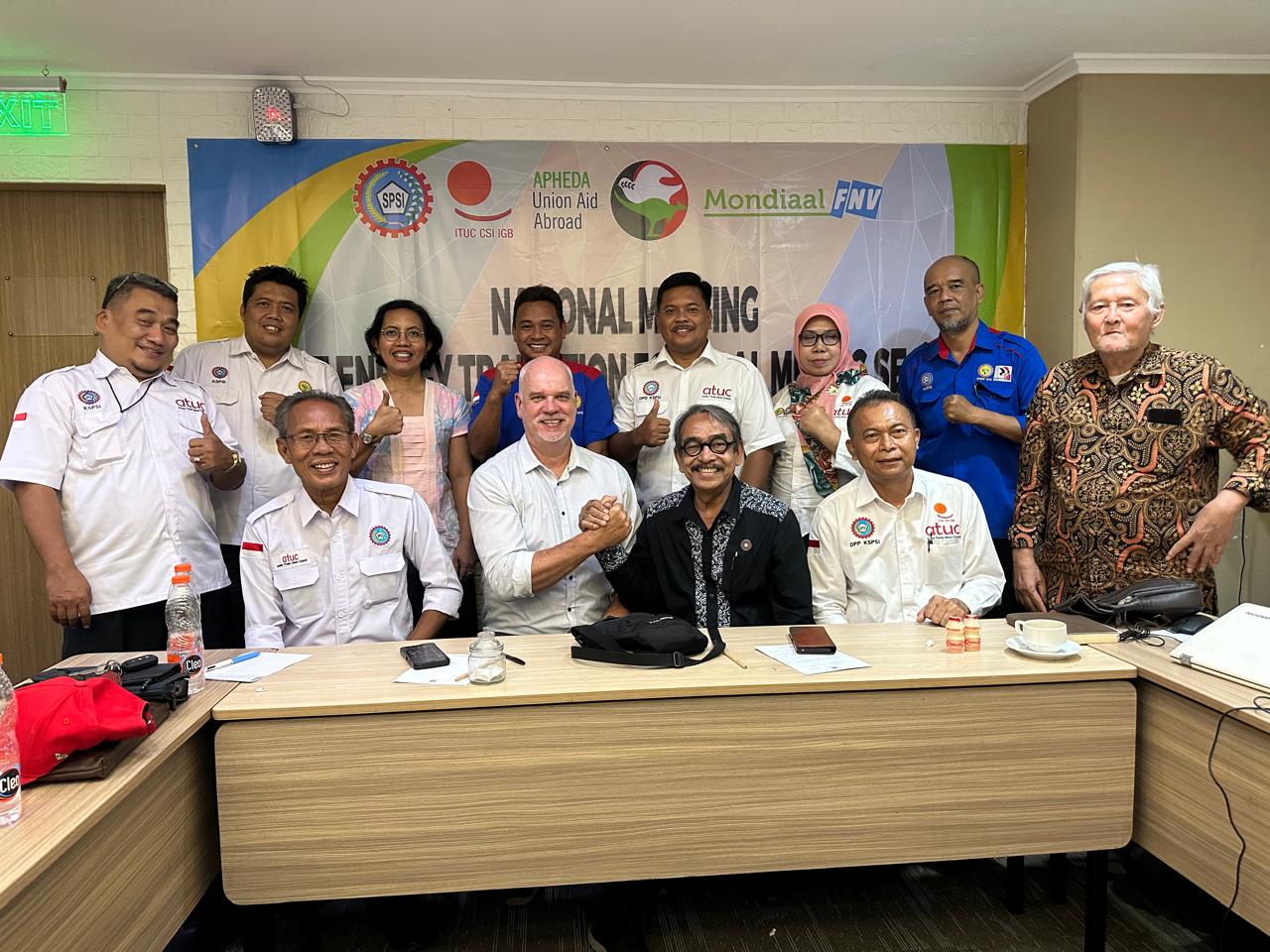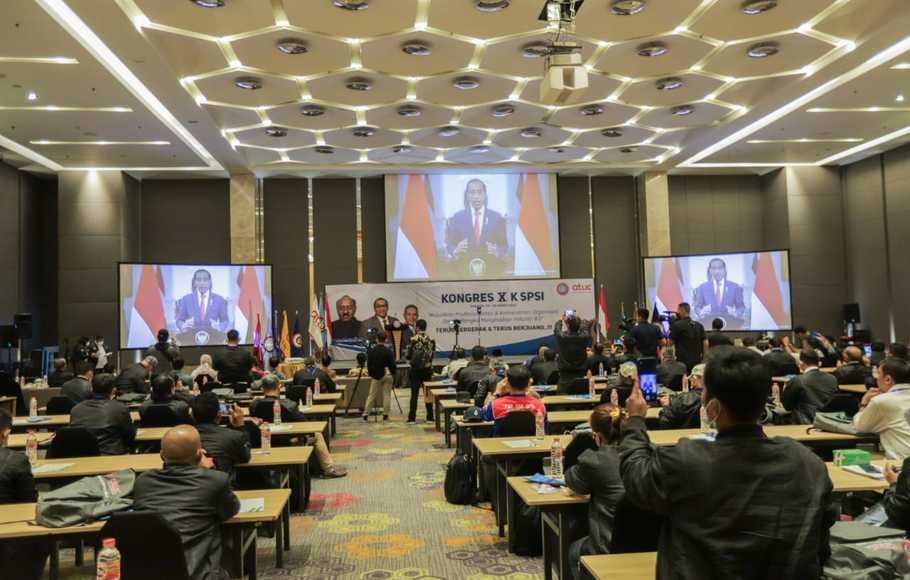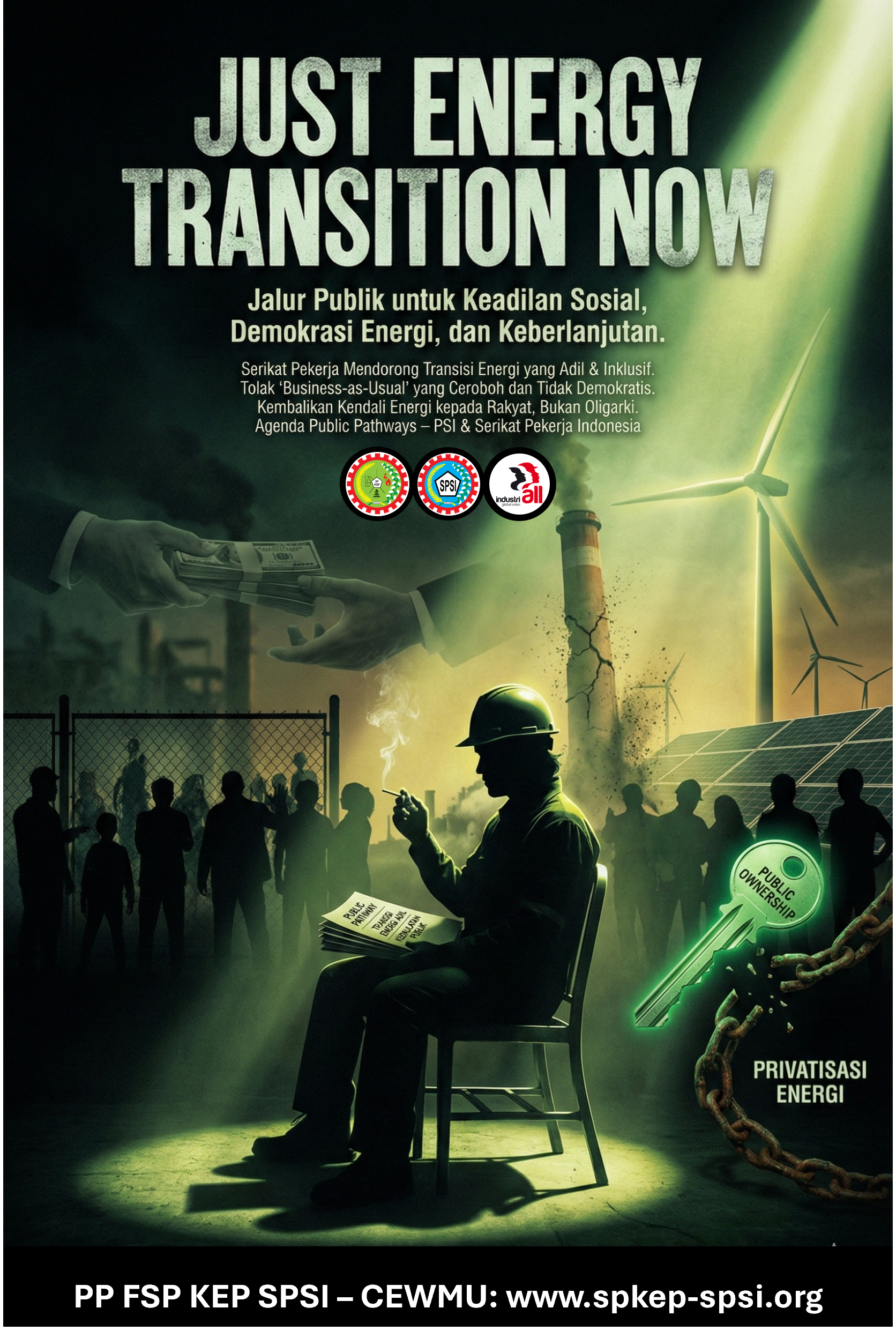
Jakarta, 10 December 2025 — Three leading voices from the global labour movement, economic policy research, and civil society sounded a unified warning at the national forum “Towards a Public Pathway Approach to a Just Energy Transition in Indonesia.” Their message was clear: market-led energy transition models are failing, deepening inequality, and opening new doors to neocolonial control over Indonesia’s energy future.
The speakers, Sean Sweeney of Trade Unions for Energy Democracy (TUED), Bhima Yudhistira of CELIOS, and Salsabila from the Civil Society Coalition for Economic Justice (MKE), presented complementary analyses showing how privatisation, global power dynamics, and trade agreements threaten to derail a just transition unless Indonesia asserts strong public control.
Sean Sweeney (TUED): “Neoliberal climate finance has collapsed, public pathways are the only viable solution.”
Sweeney delivered a sharp critique of the global climate finance architecture, especially the Just Energy Transition Partnership (JETP), arguing that it has become a tool for deepening debt and extending corporate power rather than supporting real decarbonization.
He warned that:
- Private investment in Indonesia’s renewable sector has stagnated,
- JETP’s estimated USD 97.1 billion price tag is inflated due to profit-driven private-sector cost models,
- Developed countries are quietly abandoning JETP commitments while pushing Indonesia to privatise PLN and open the grid to foreign companies.
“If private capital could have solved the climate crisis, it would have done so by now,” Sweeney stated.
He urged Indonesia to adopt a public-financed, democratically governed transition grounded in Article 33 of the Constitution, which mandates state control of essential resources.
Bhima Yudhistira (CELIOS): “What we are seeing is neocolonialism disguised as a green transition.”
Economist Bhima Yudhistira highlighted how the transition is being shaped by geopolitical competition, corporate expansion, and misleading narratives.
He argued that the same companies responsible for environmental destruction under the fossil fuel regime are now dominating renewable energy projects from geothermal to biofuel, often causing new ecological and social harms.
Bhima presented vivid examples:
- large-scale biofuel plantations linked to flooding in Sumatra,
- land clearing for bioethanol crops in Papua,
- aggressive promotion of nuclear SMR technology by foreign governments,
- weakening of local content rules (TKDN) through foreign trade pressure.
He criticised JETP and similar schemes for returning most of the money to countries that provide the loans, through consultancy contracts and exclusive technology procurement.
“This is not a just transition. This is a new cycle of dependency, debt, and privatisation,” he said.
Bhima urged unions and policymakers to reject policies that portray PLN as “incapable” in order to justify privatisation, calling this a repeat of IMF-style structural adjustments from 1998.
Salsabila (MKE): “Green colonialism is emerging through global trade rules and the race for critical minerals.”
Speaking from the civil society perspective, Salsabila explained how global trade systems and neoliberal free-trade agreements are embedding colonial patterns inside the energy transition.
She warned that:
- The race for critical minerals (nickel, cobalt, bauxite) is intensifying competition between the US and China, pulling Indonesia into geopolitical rivalries.
- Free Trade Agreements (FTAs) pushed by developed countries seek to eliminate export bans, weaken local content requirements, and restrict Indonesia’s ability to build its own industrial capacity.
- Corporate control over renewable technologies ensures that most value is captured abroad.
“Countries in the Global North use climate crises to secure minerals and markets, while calling it a green transition,” she said.
Salsabila stressed that the push for net-zero in the Global North is creating green colonialism, where environmental burdens, land conflicts, and economic risks are borne by developing countries while profits flow to multinational corporations.
Unified Warning: Without public control, the energy transition will not be just
Across all three presentations, a powerful shared message emerged:
1. The market-driven transition model is failing technically, socially, and financially.
2. Privatisation and foreign financing deepen inequality and erode national sovereignty.
3. Indonesia must build a public, democratic, worker-centred transition pathway.
All speakers urged Indonesian unions, policymakers, and civil society organisations to unite behind a public pathway approach, grounded in:
- strong public financing,
- protection of workers and communities,
- industrial development for domestic benefit,
- and rejection of policies that entrench dependence on foreign corporations.
Sweeney summarised the collective sentiment:
“We cannot win if we do not convince. And we cannot be convinced unless we choose public ownership, public planning, and public purpose as the core of the transition.” (3zah)