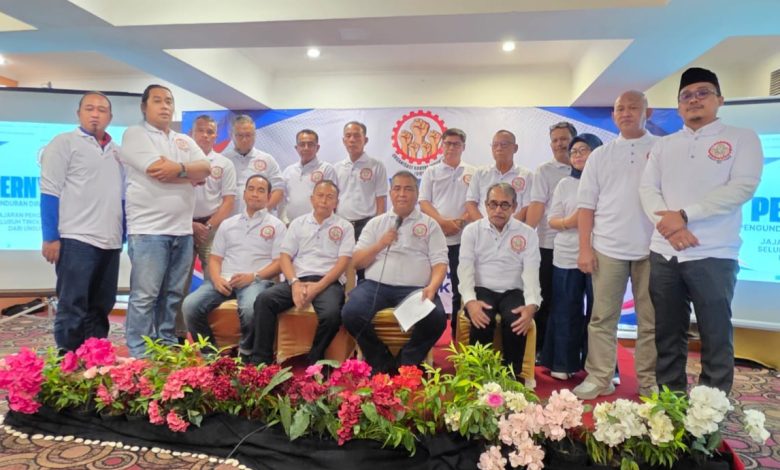
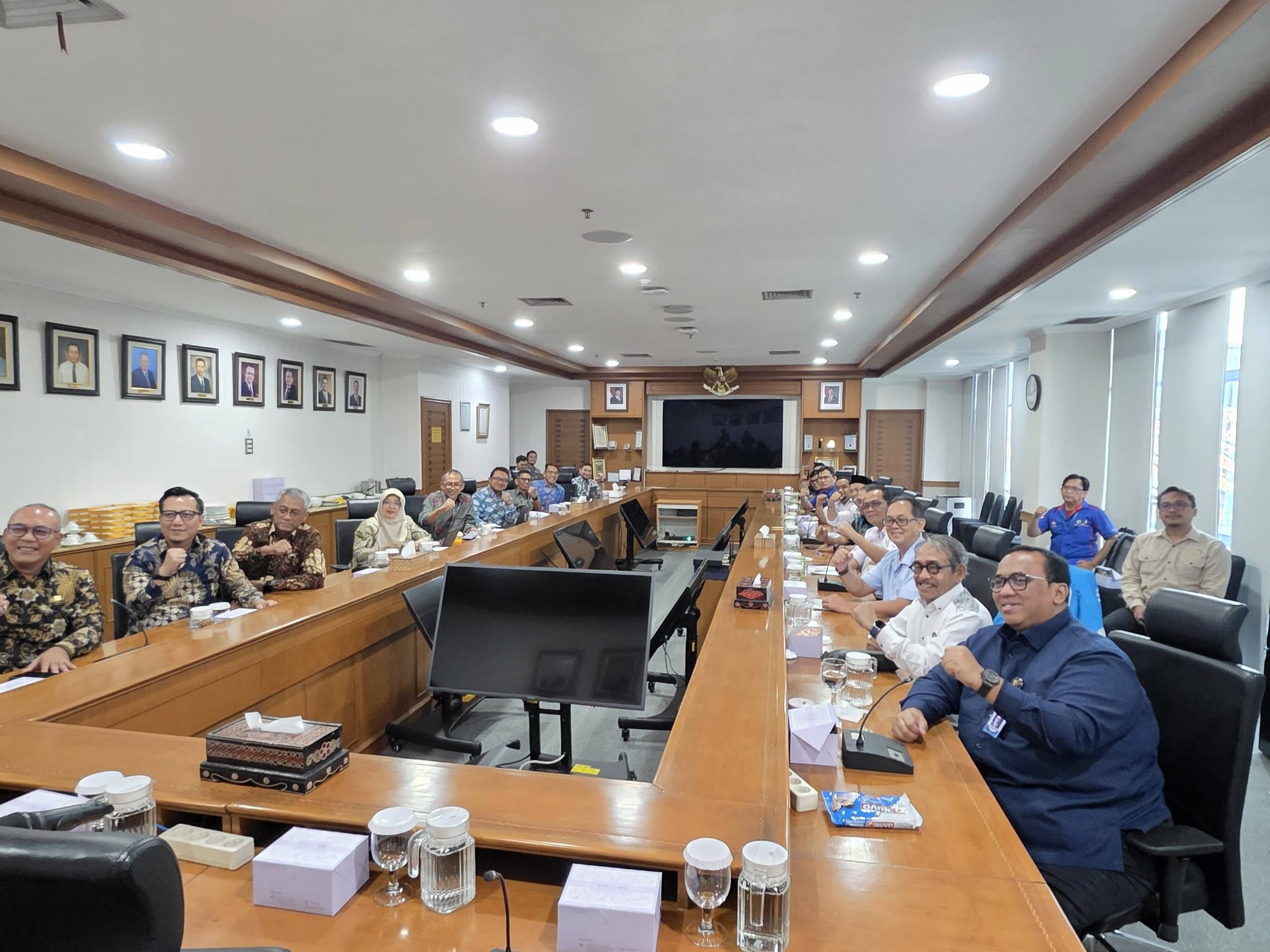
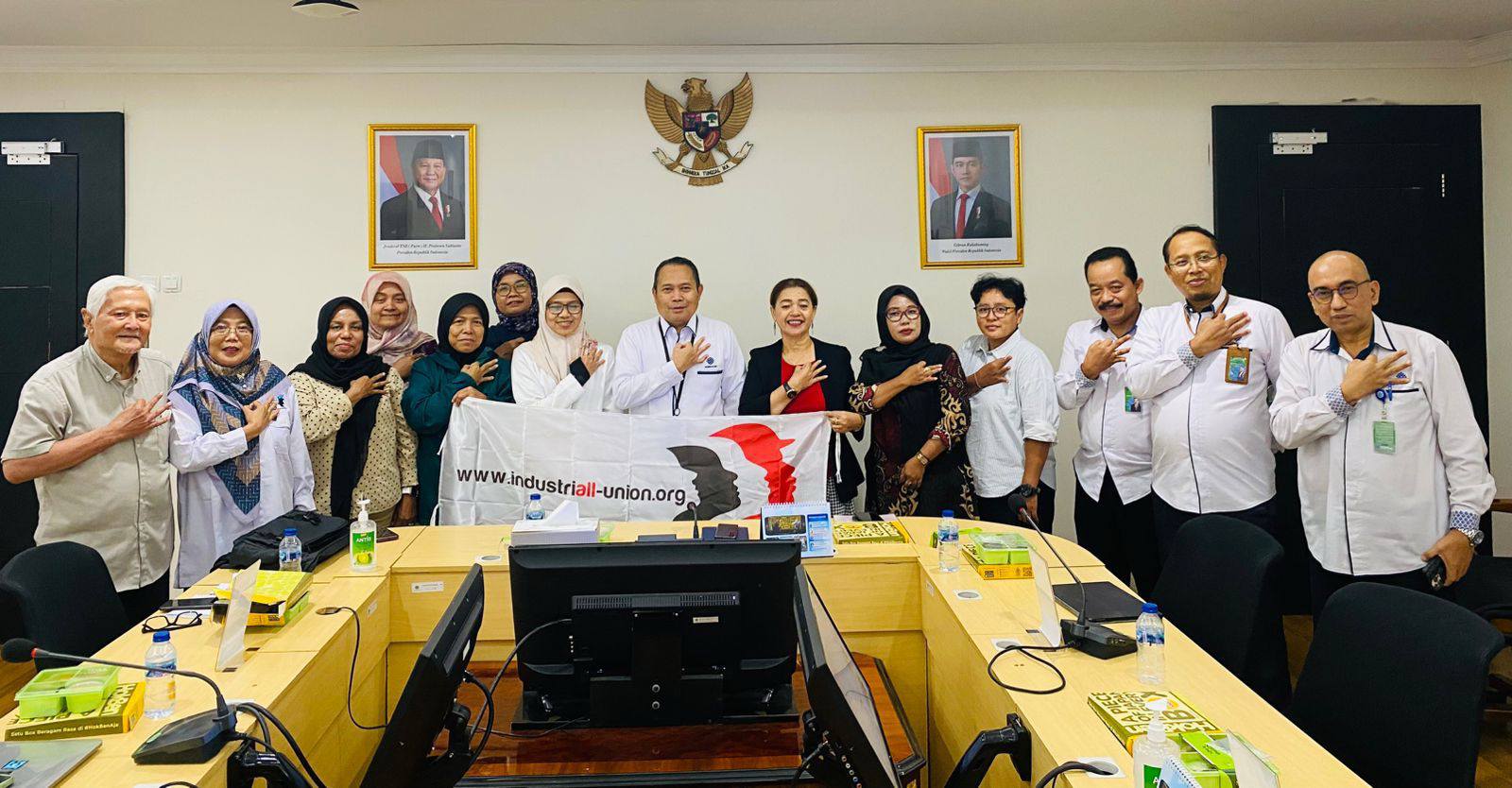
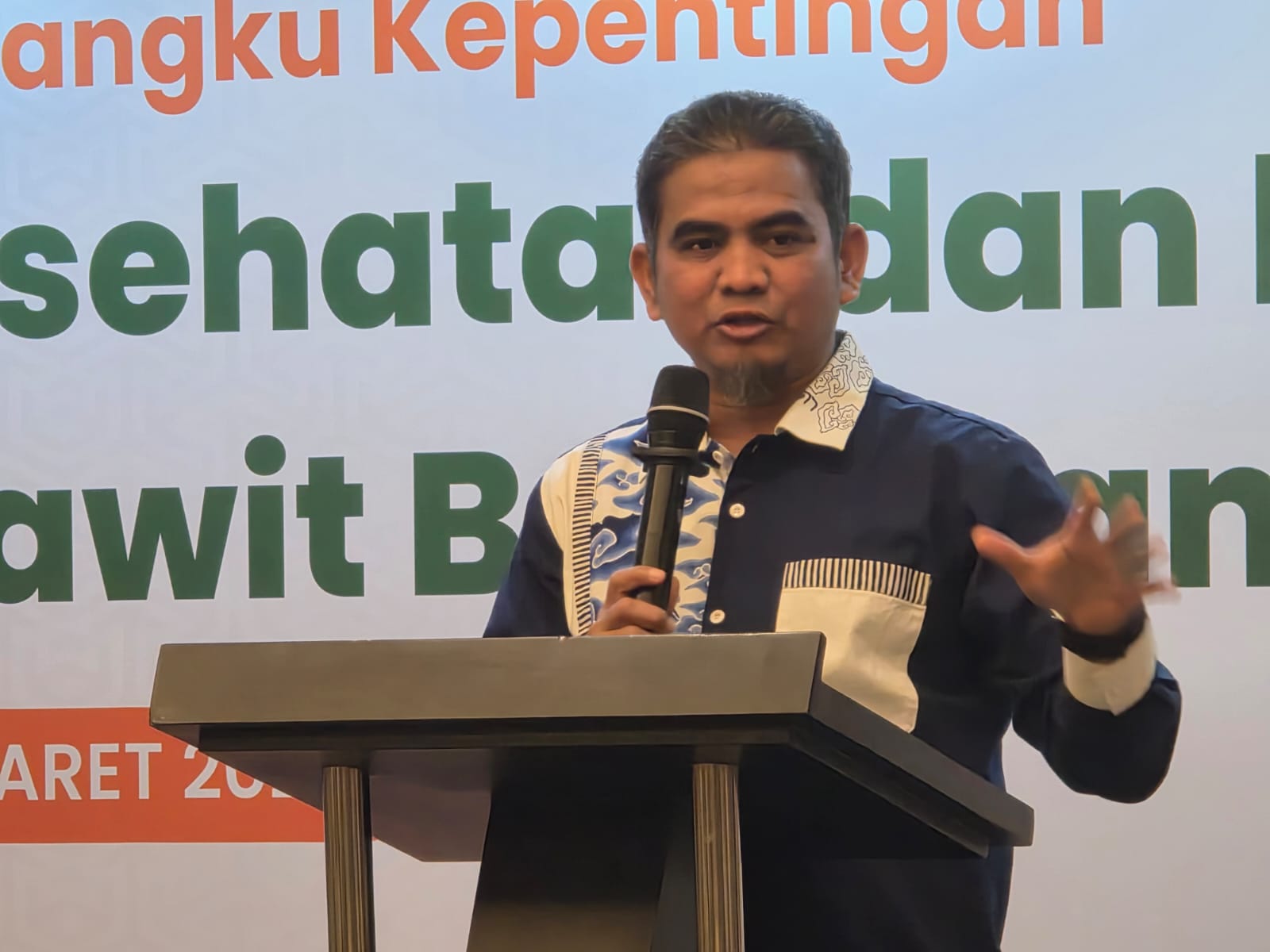
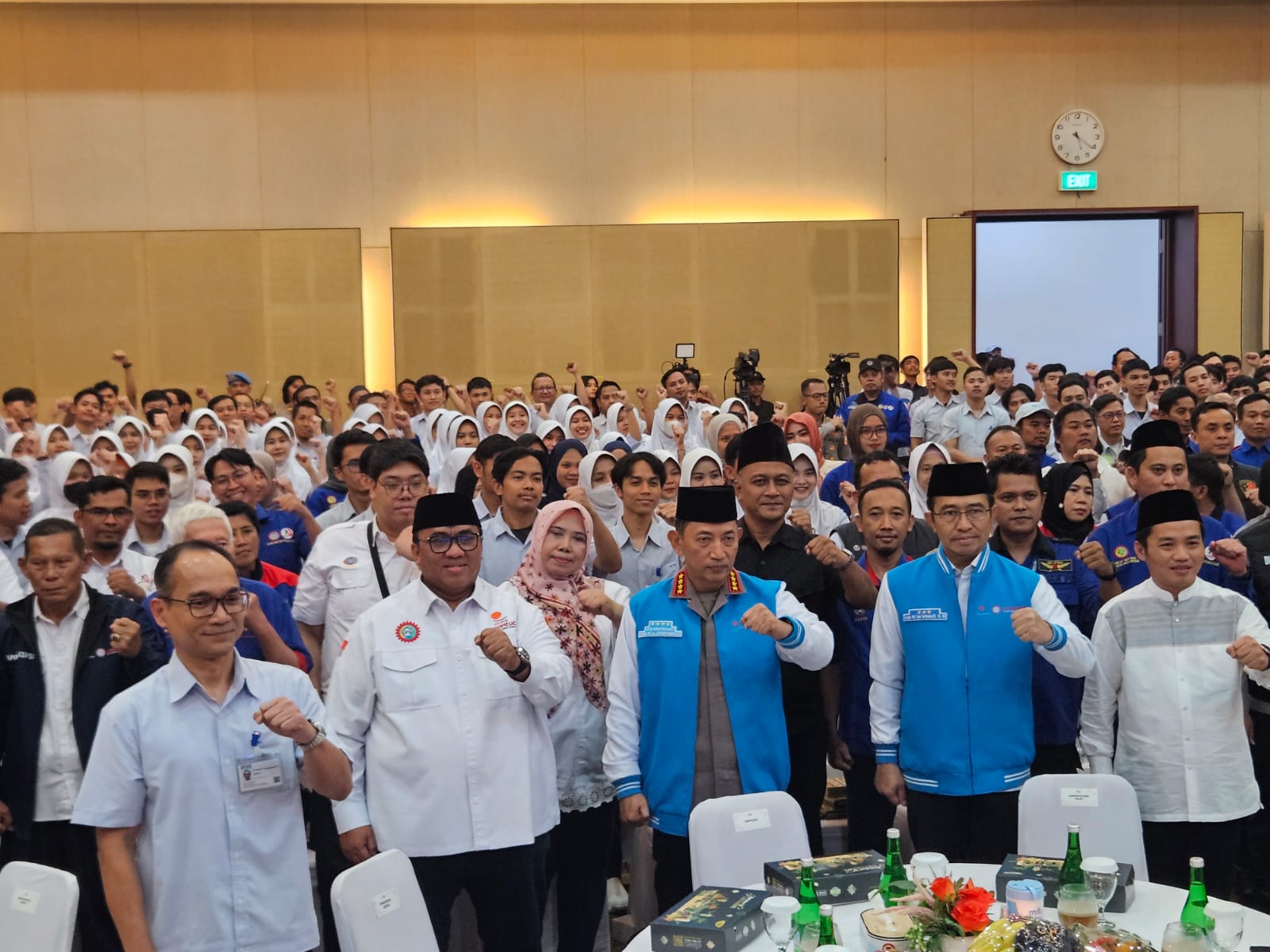
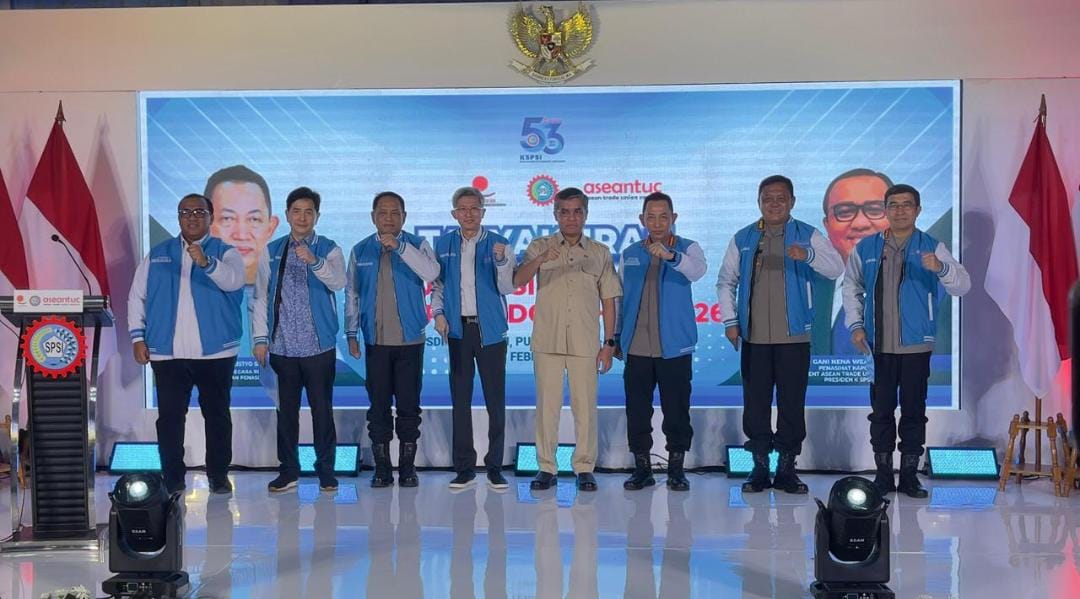
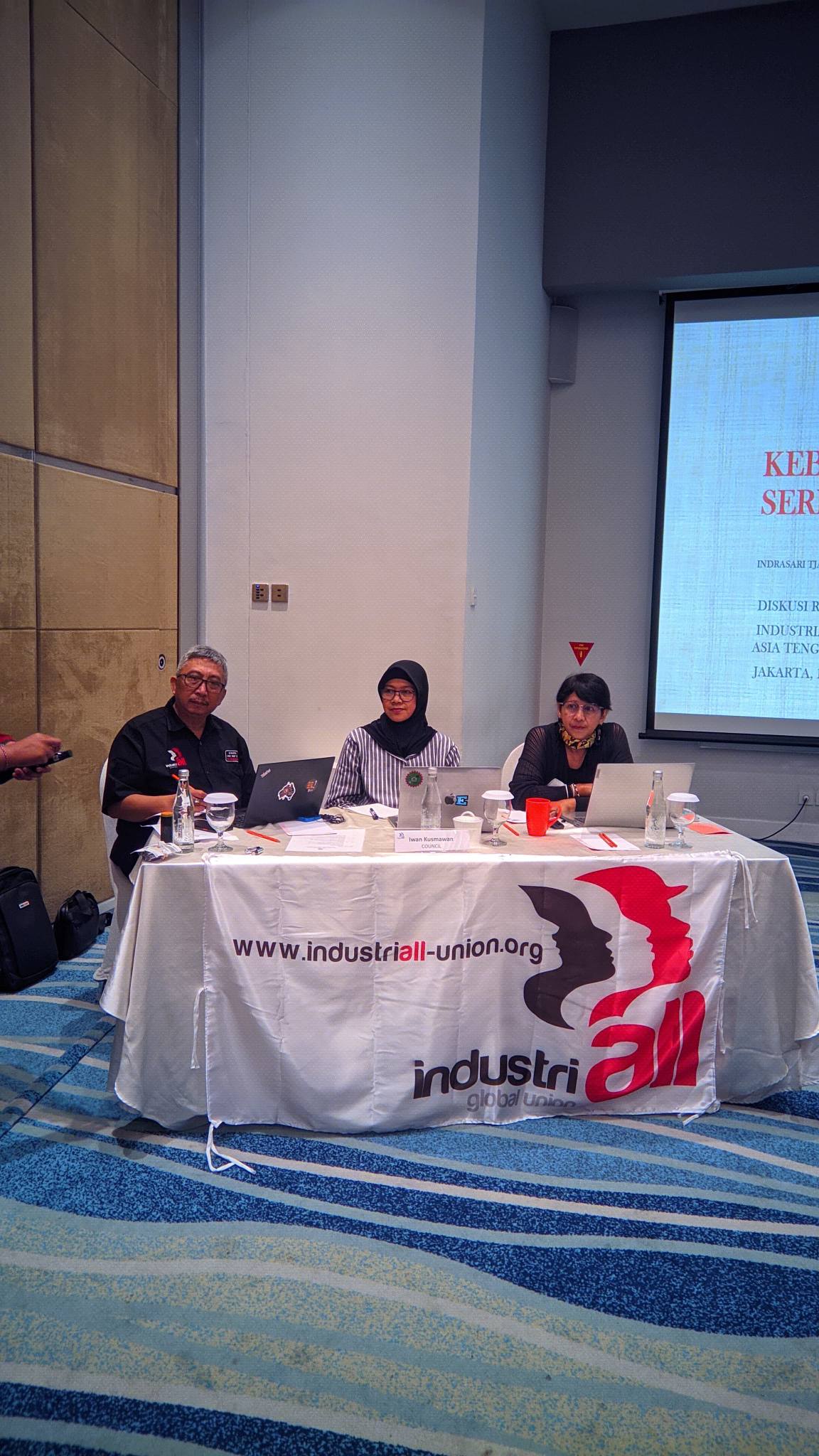
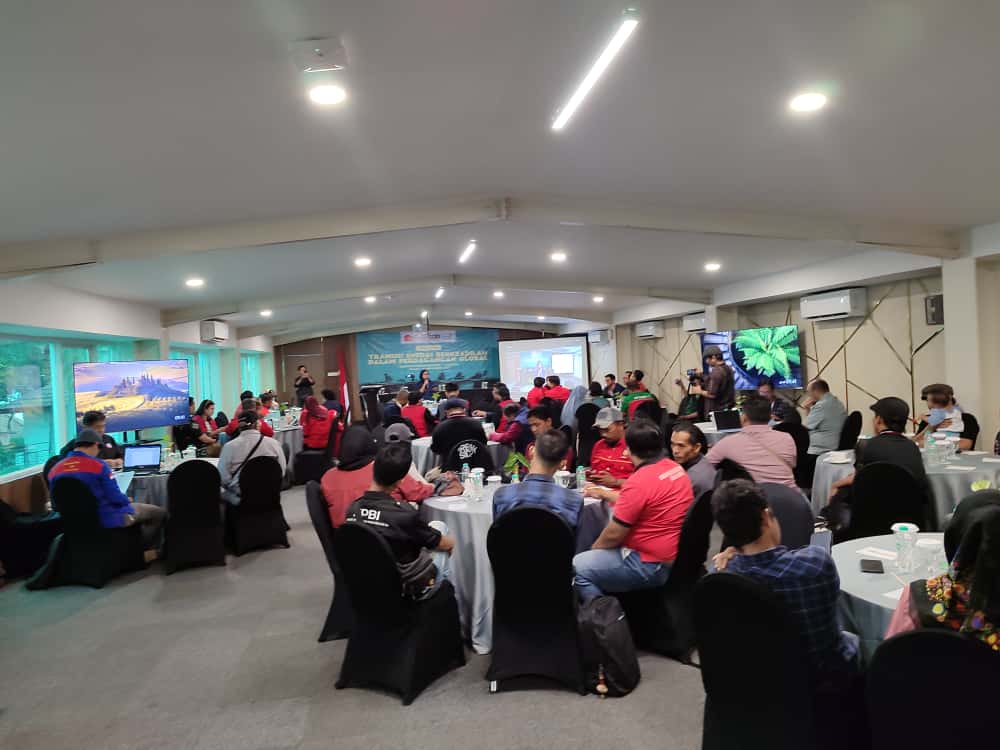
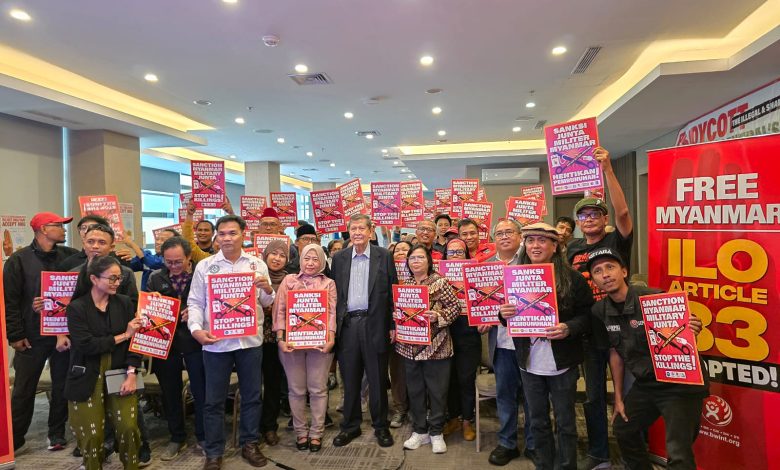
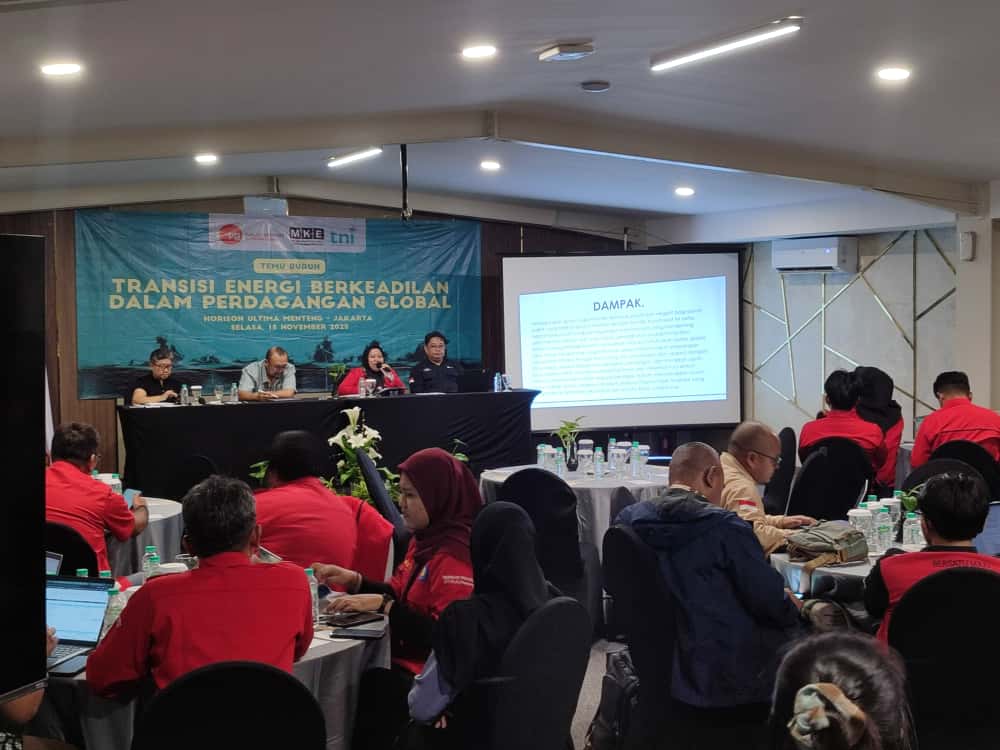
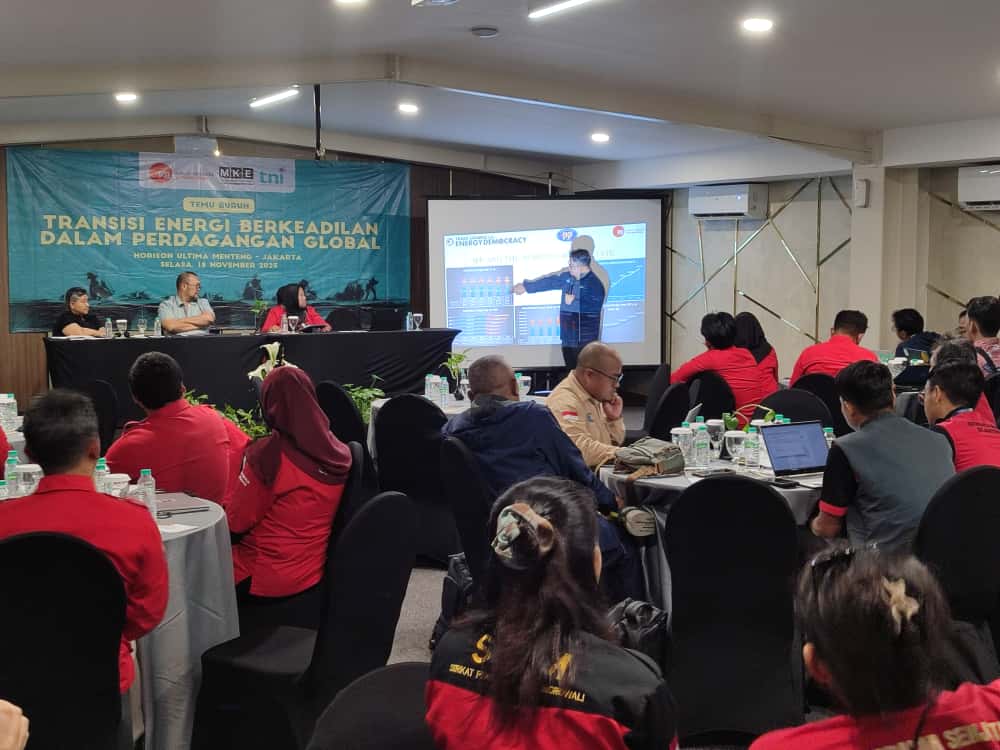
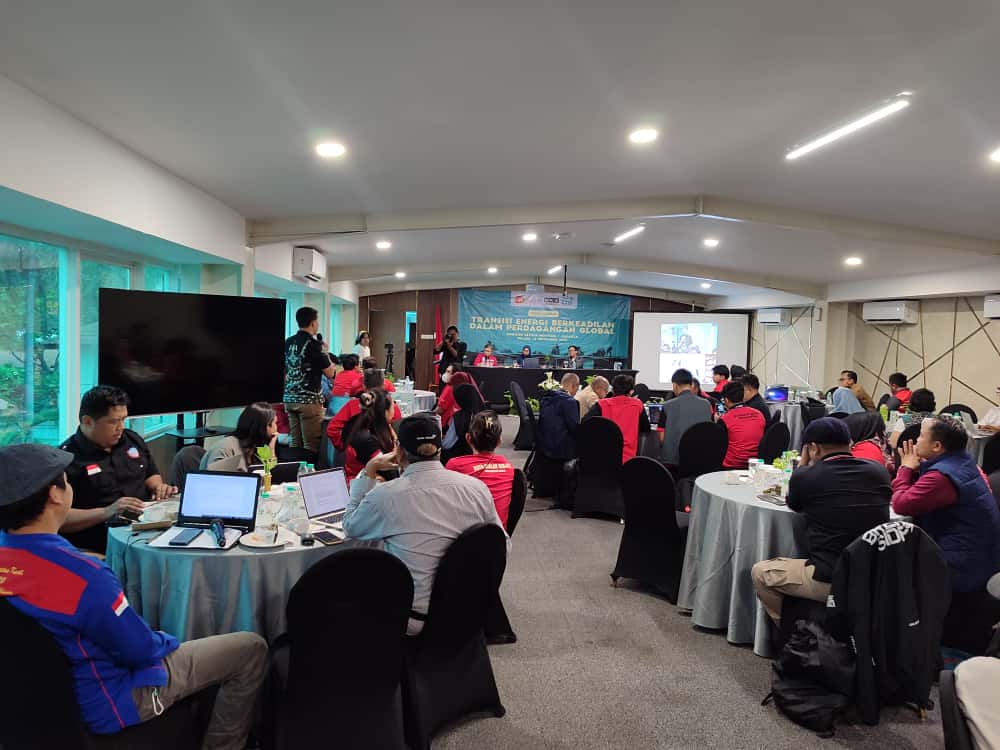
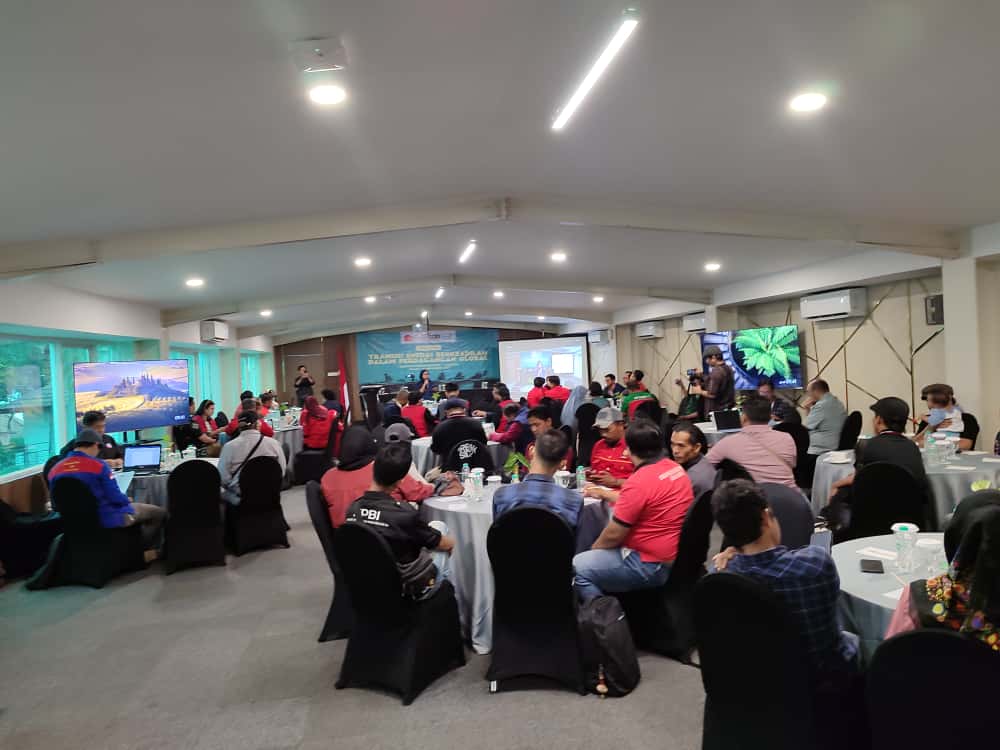
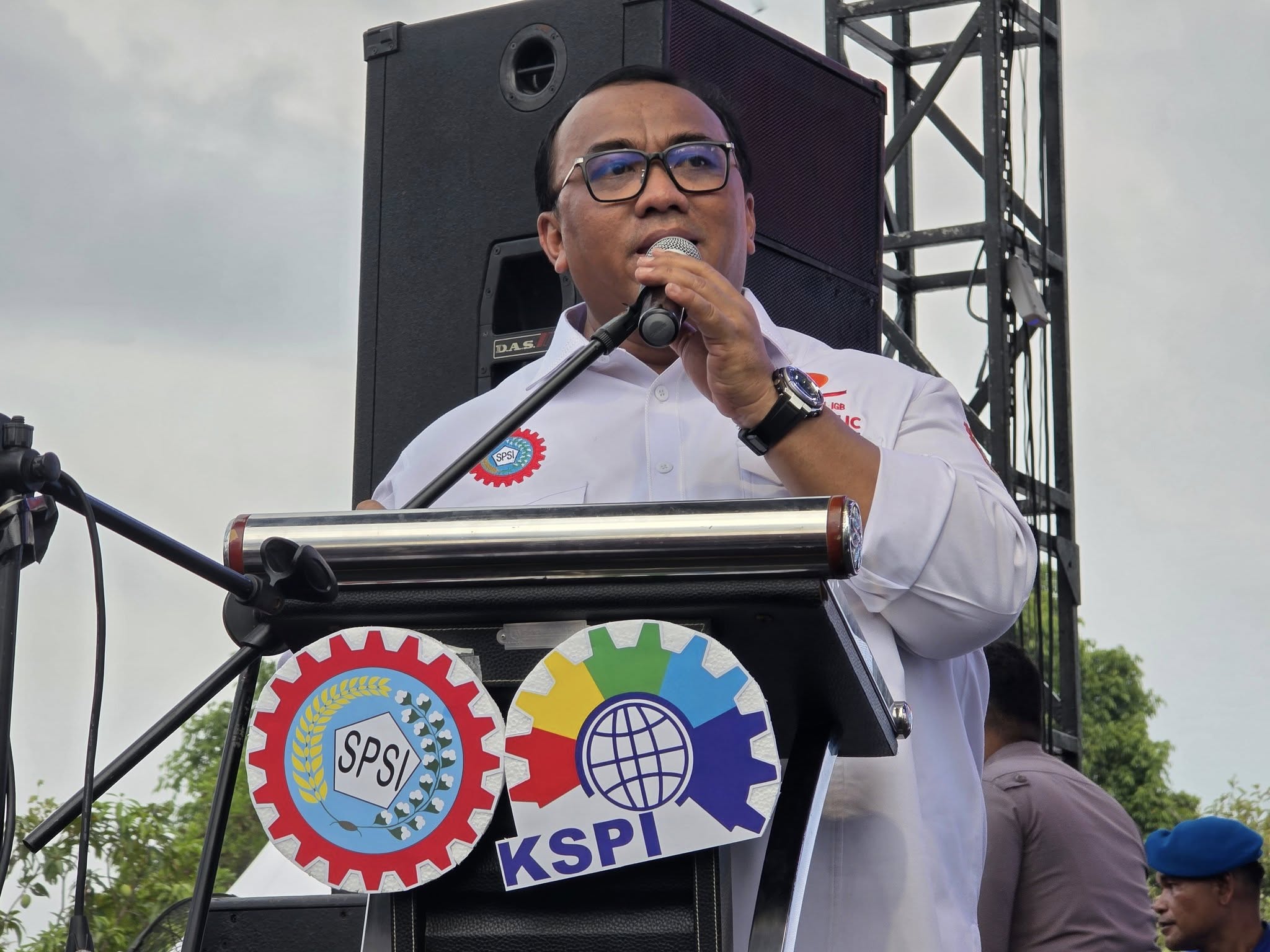
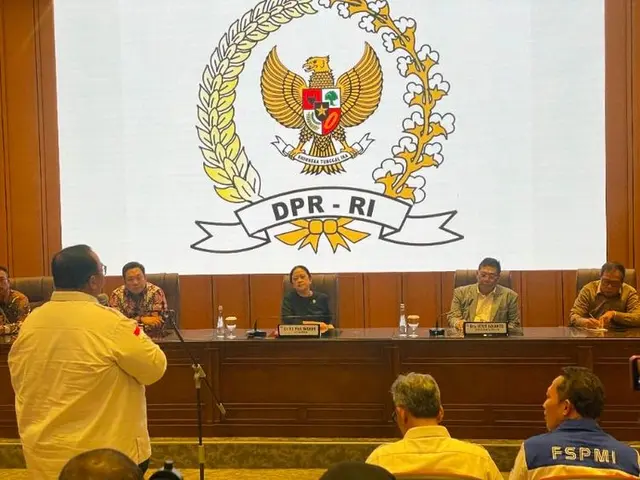
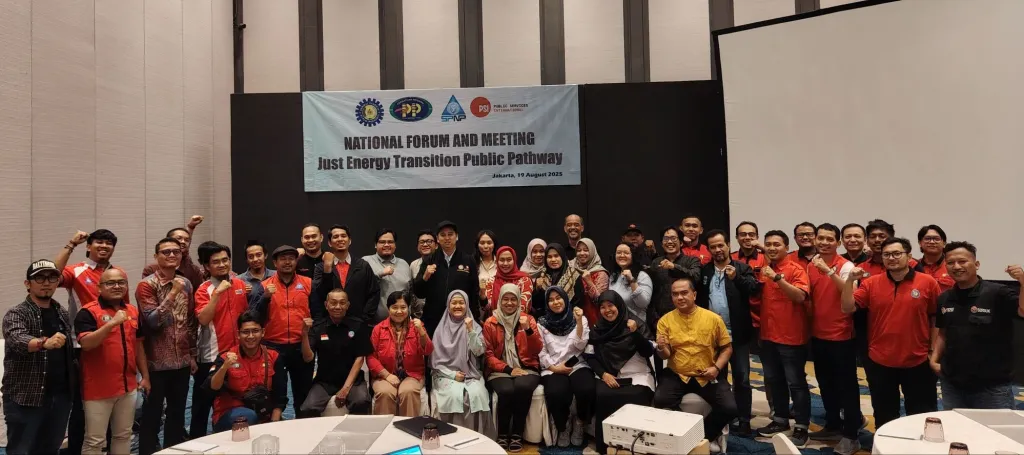
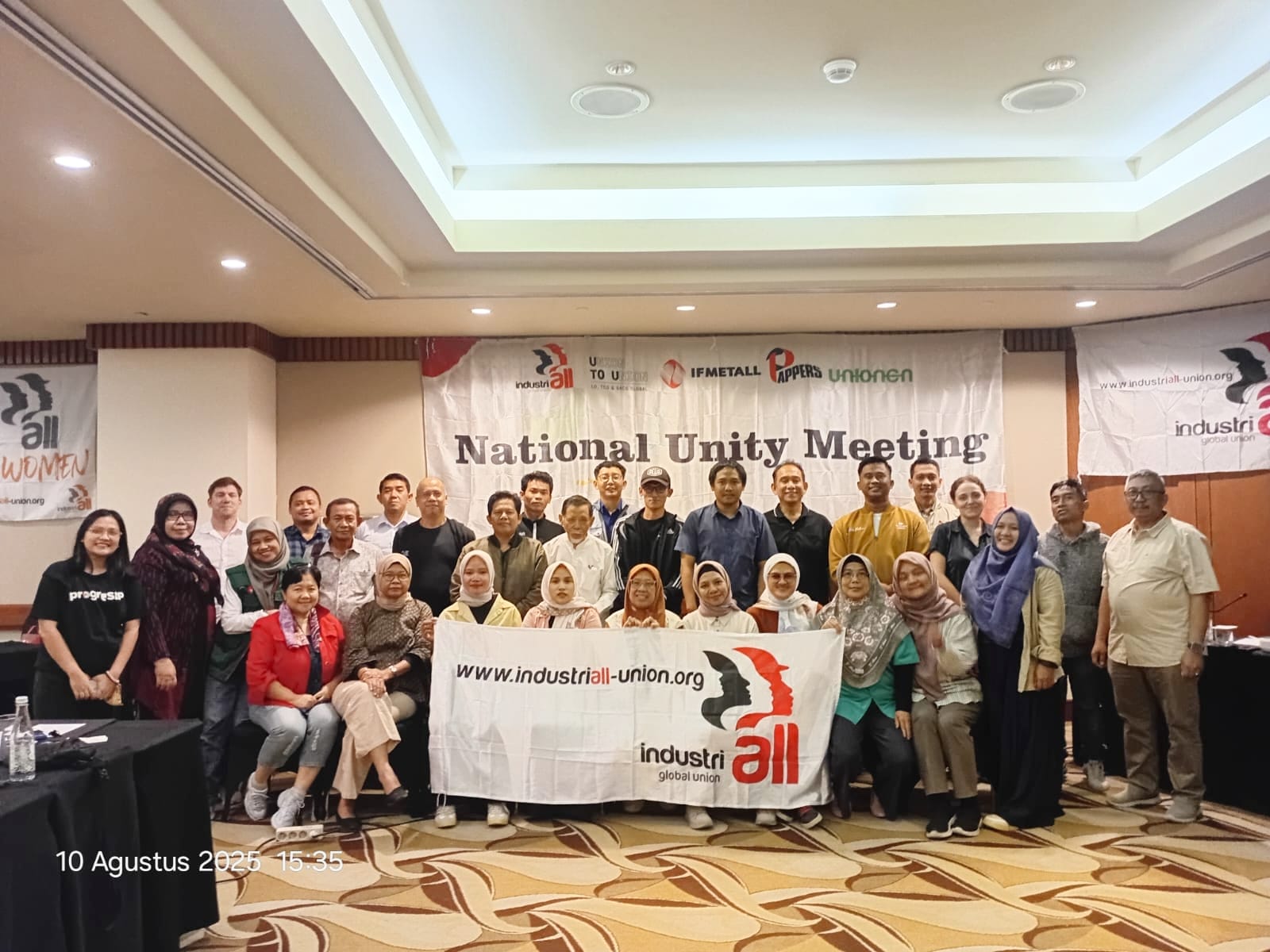
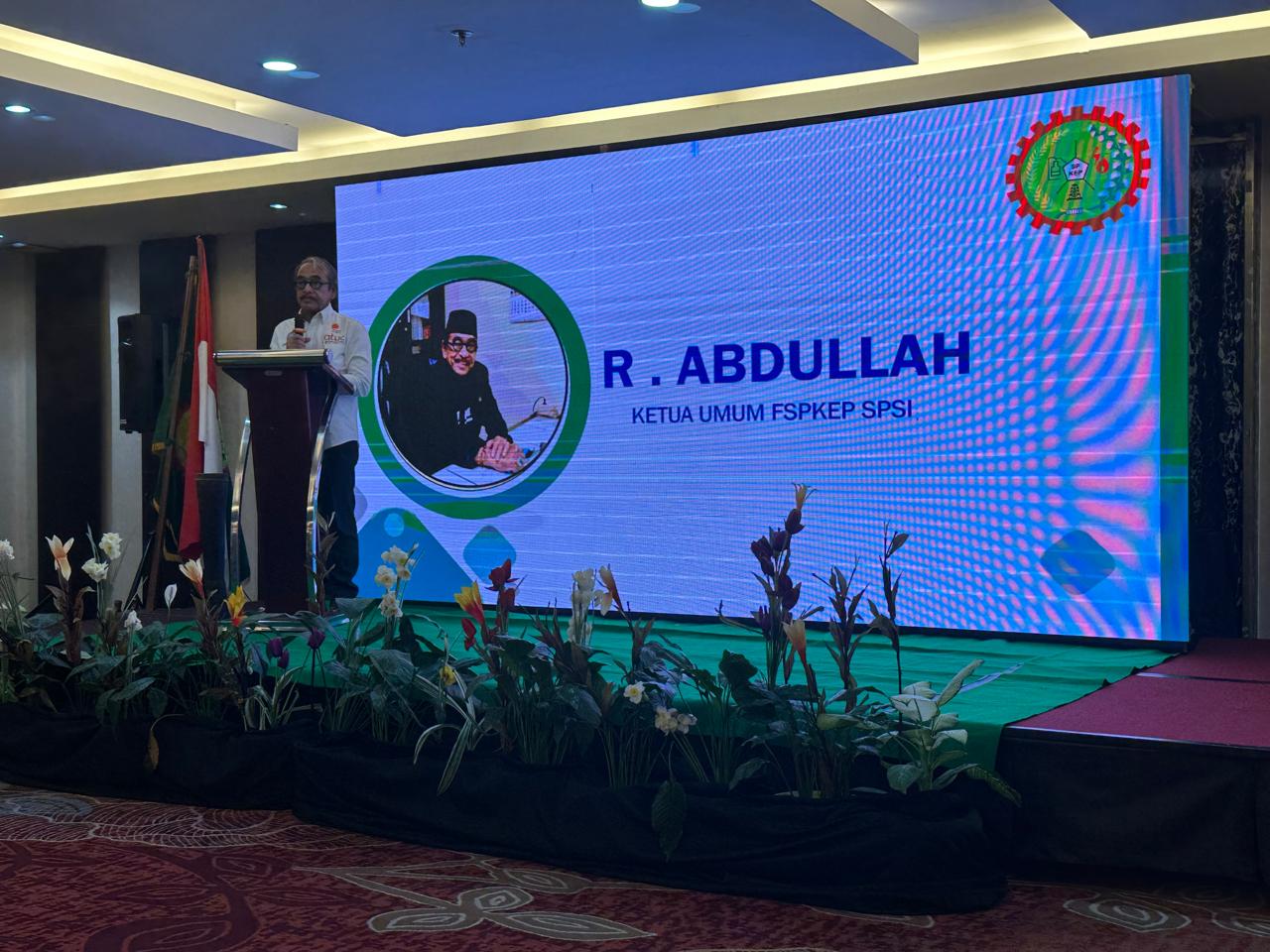
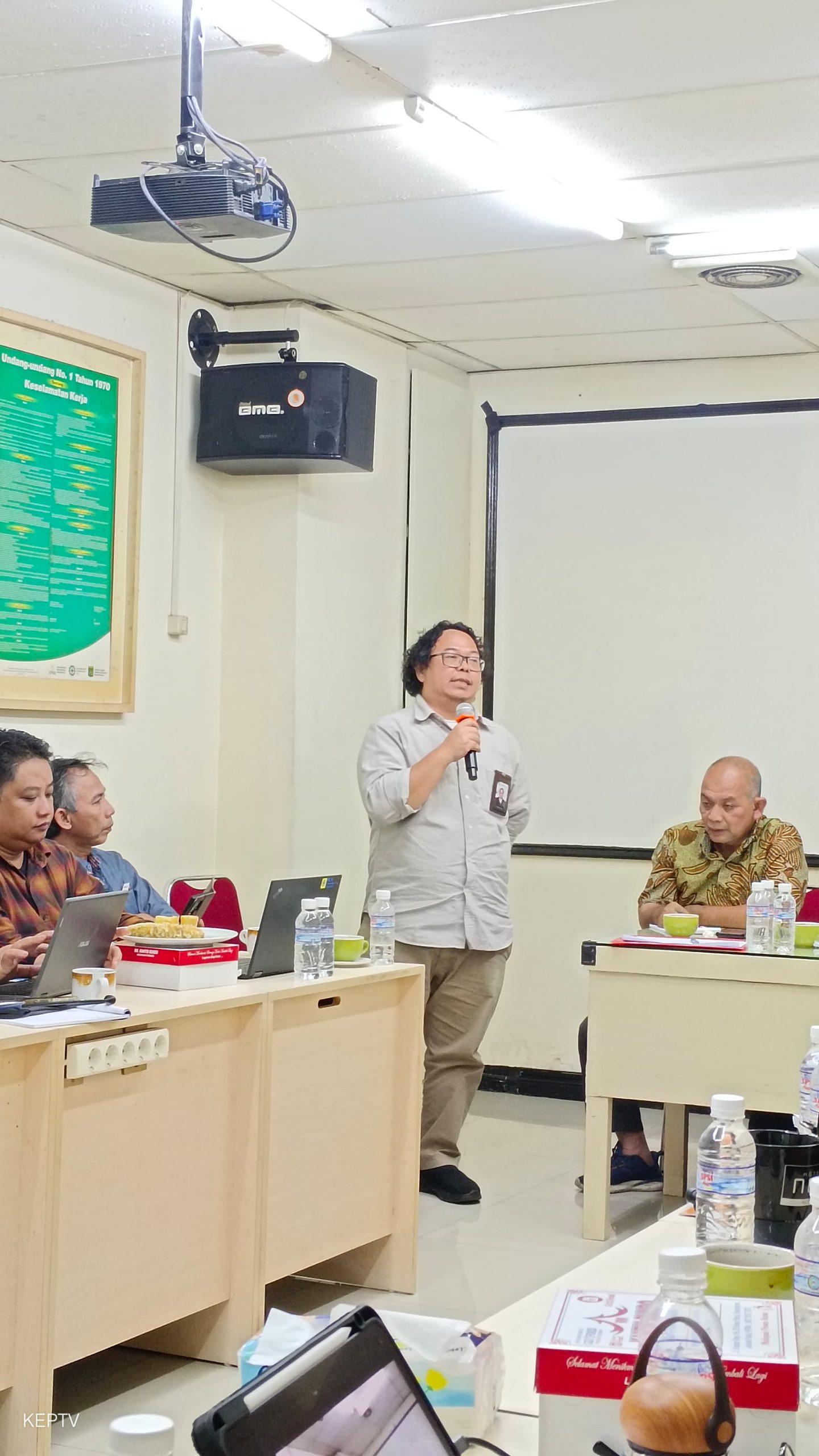
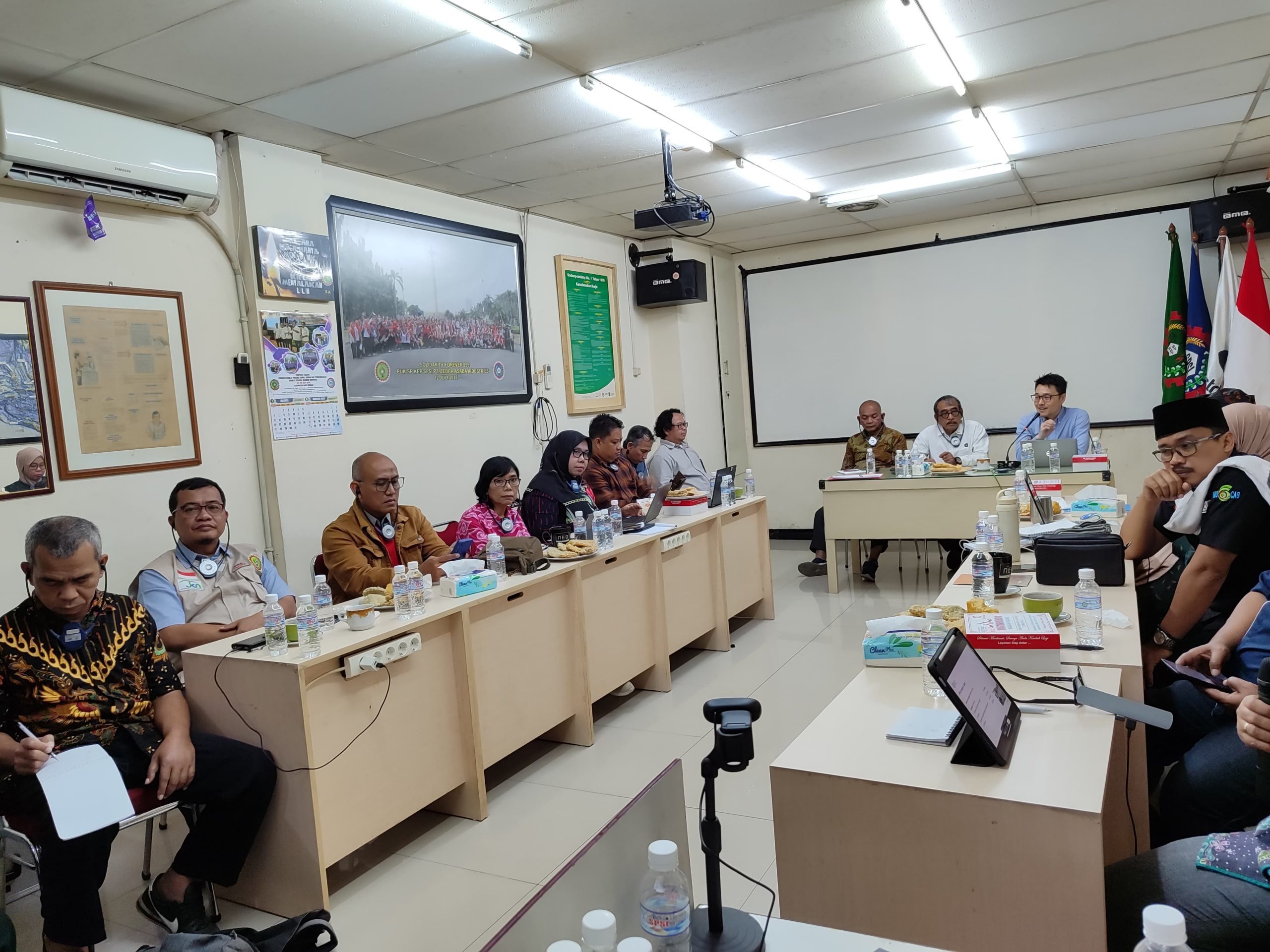
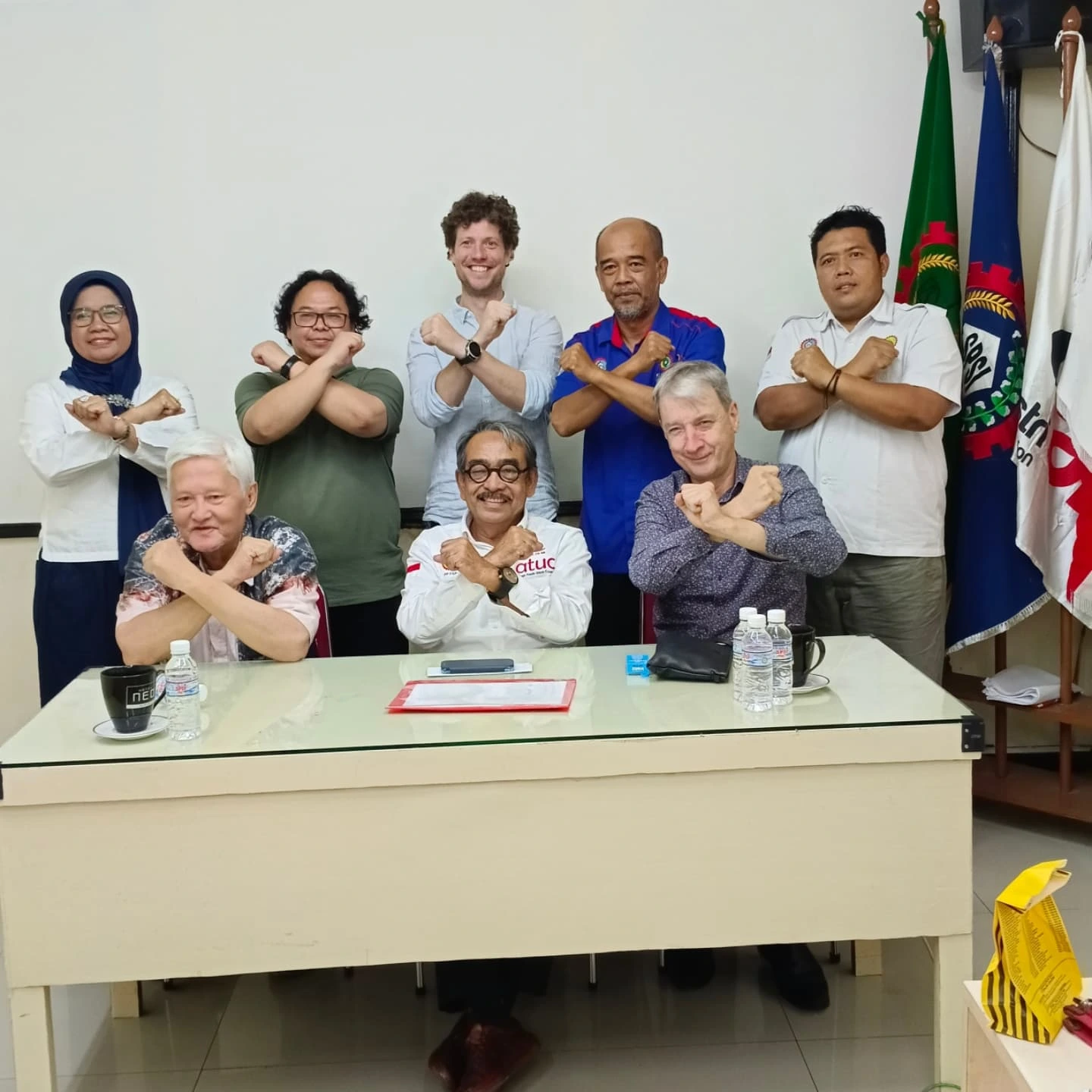
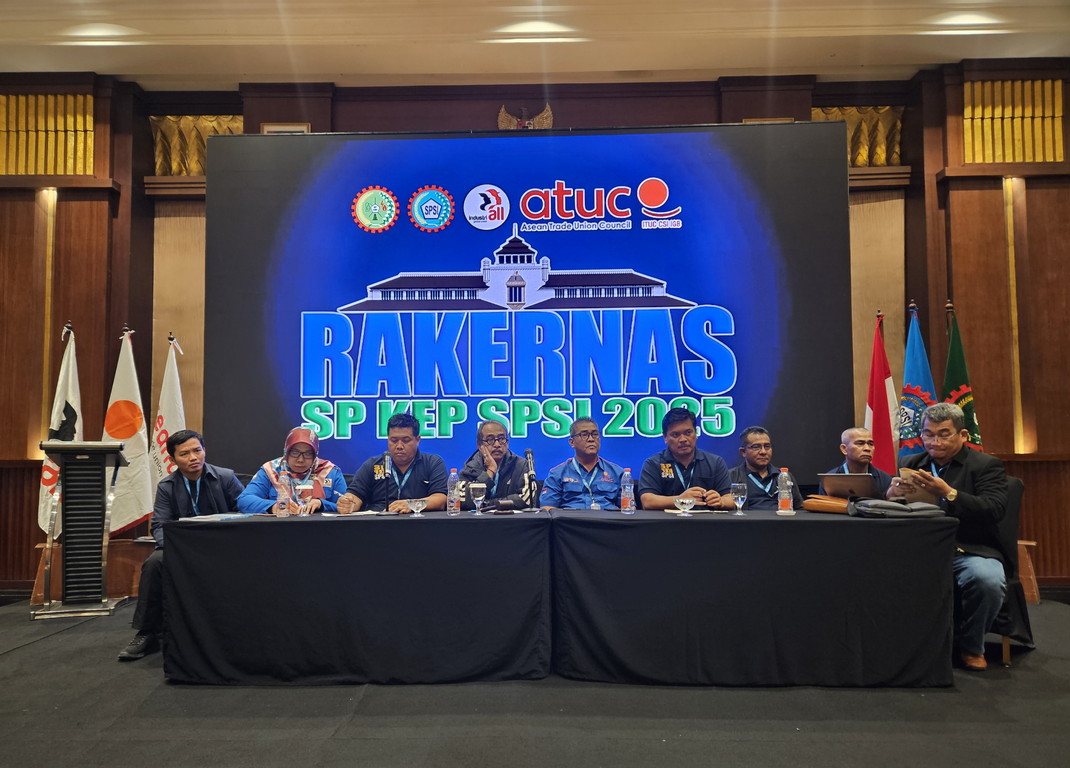
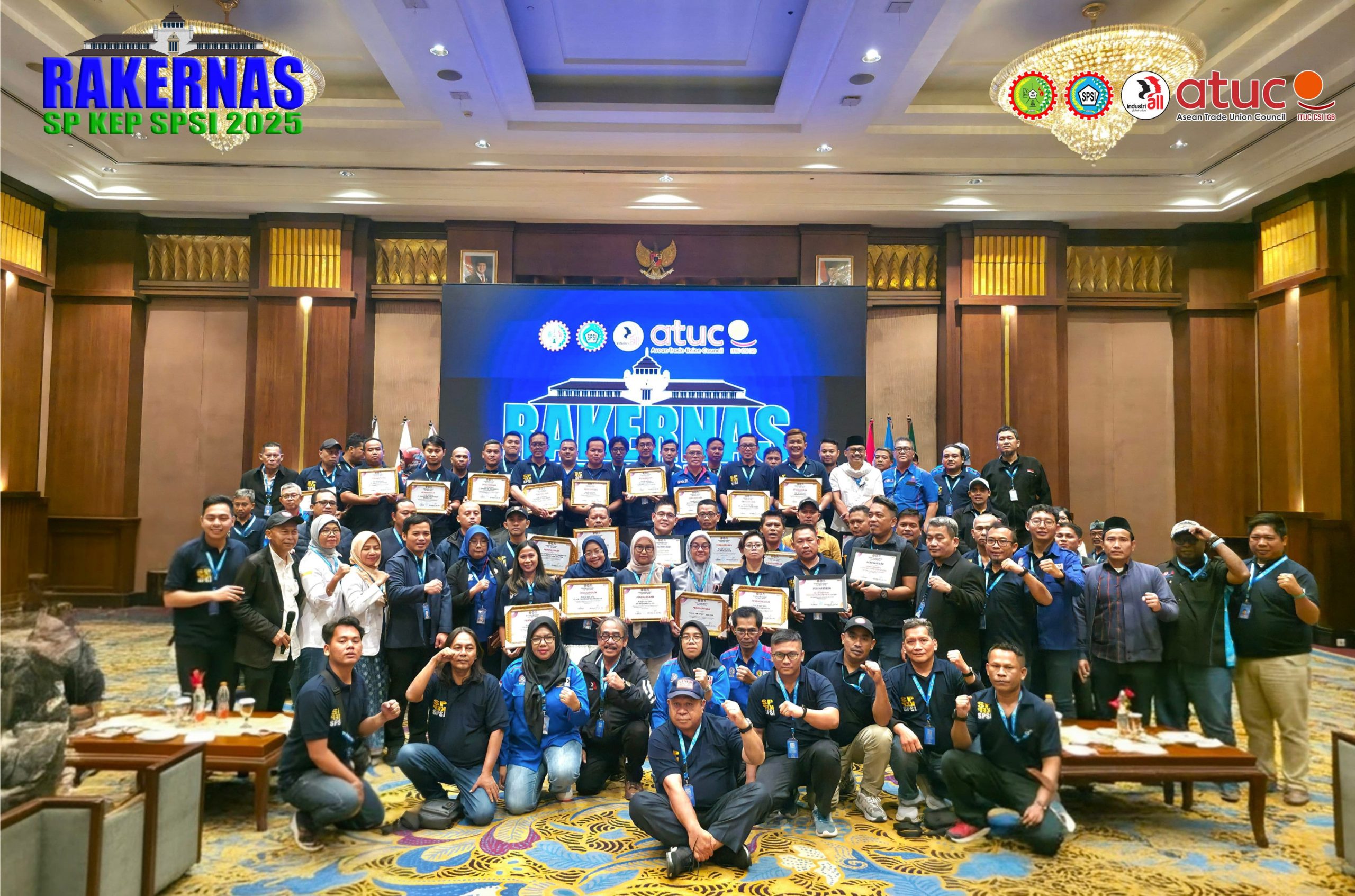
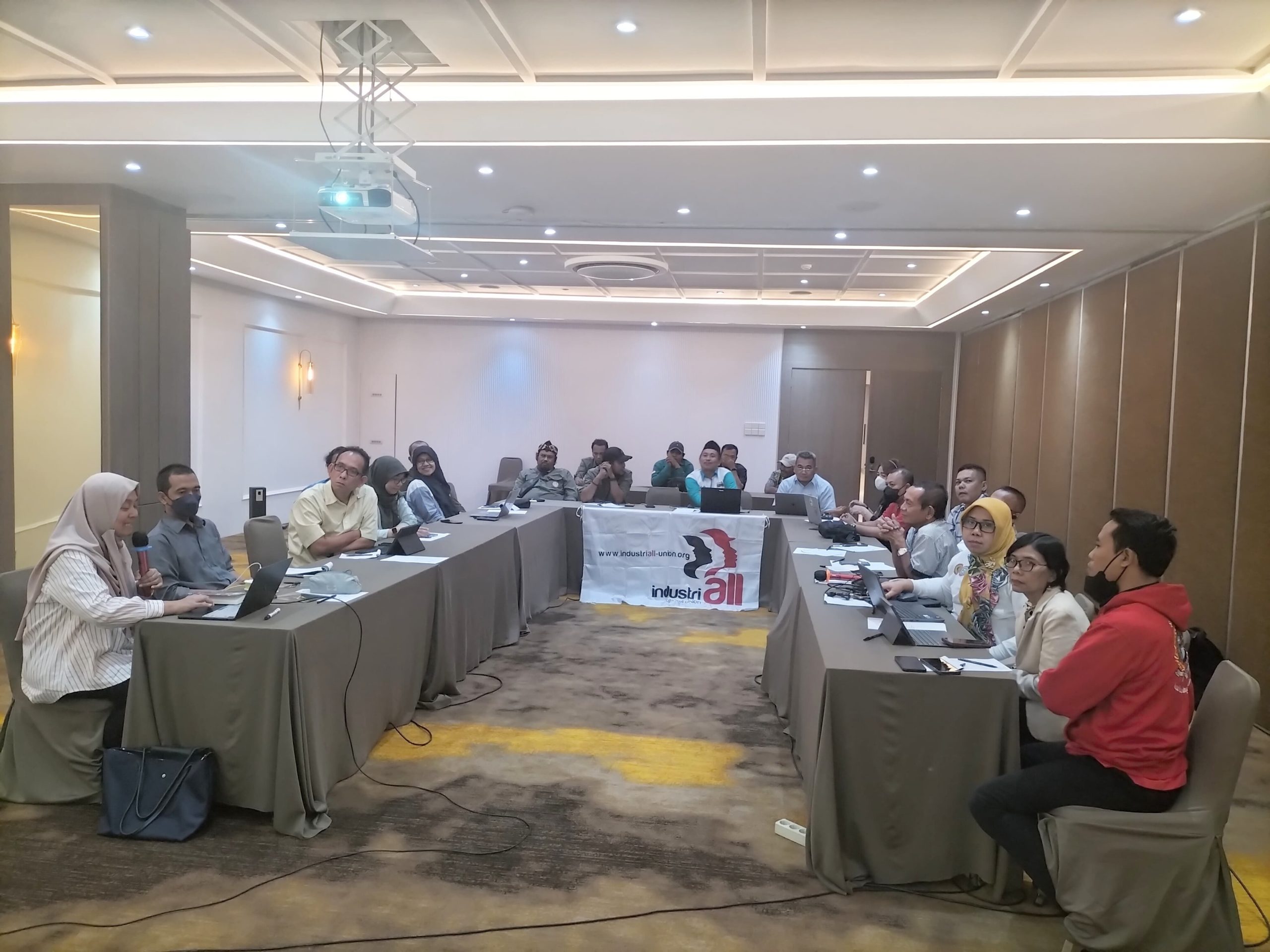
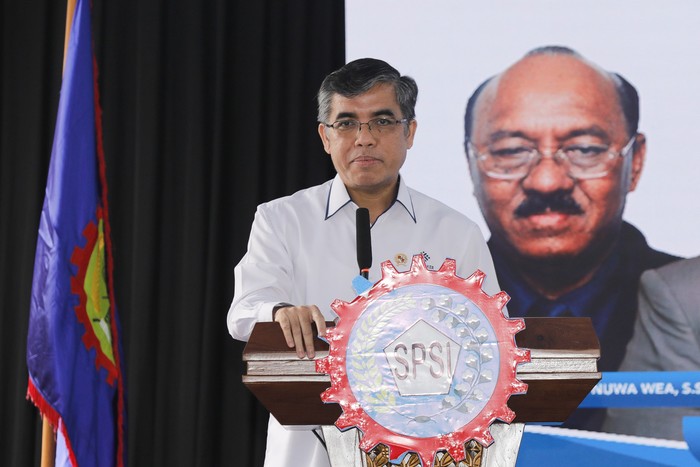
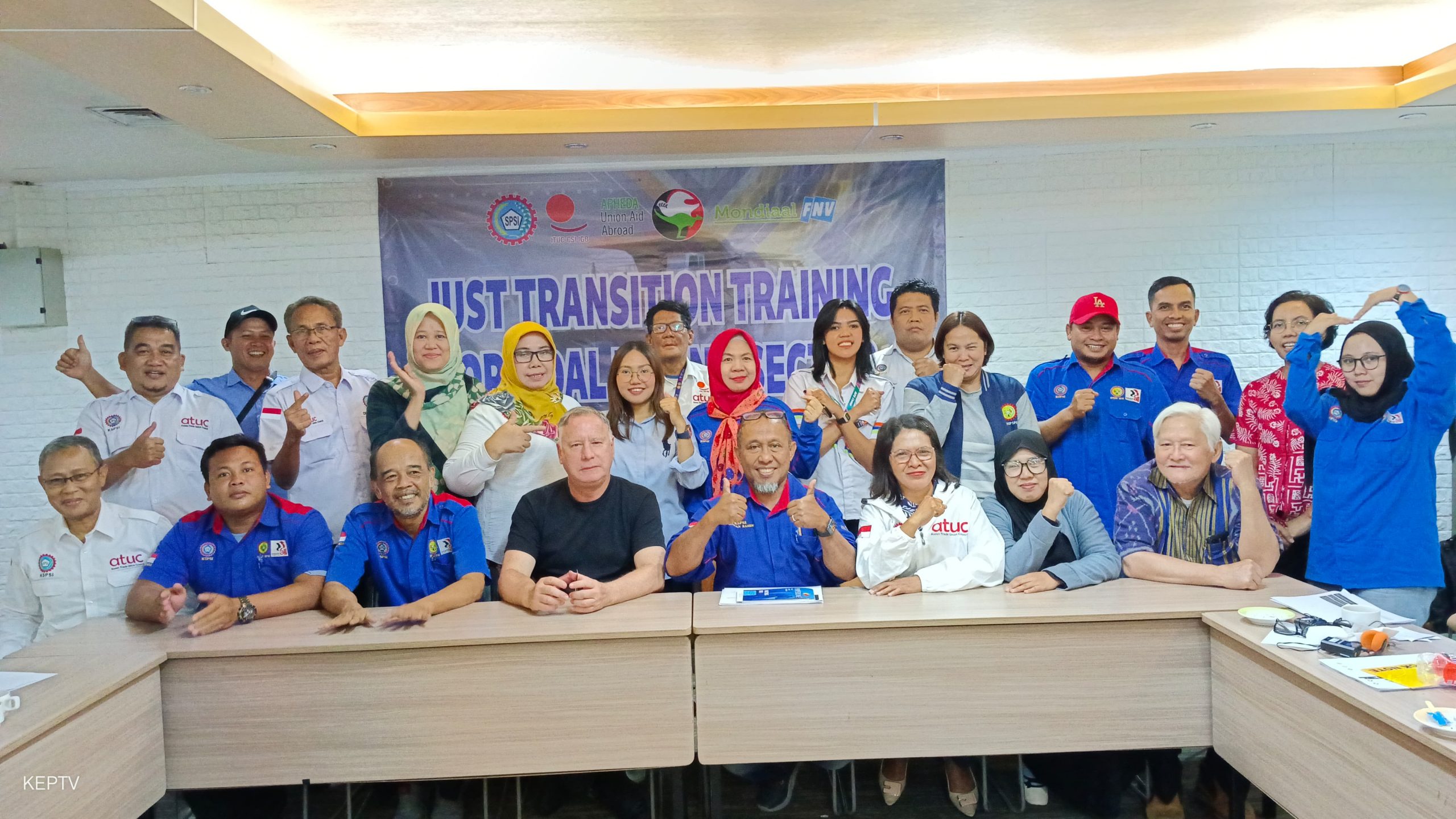
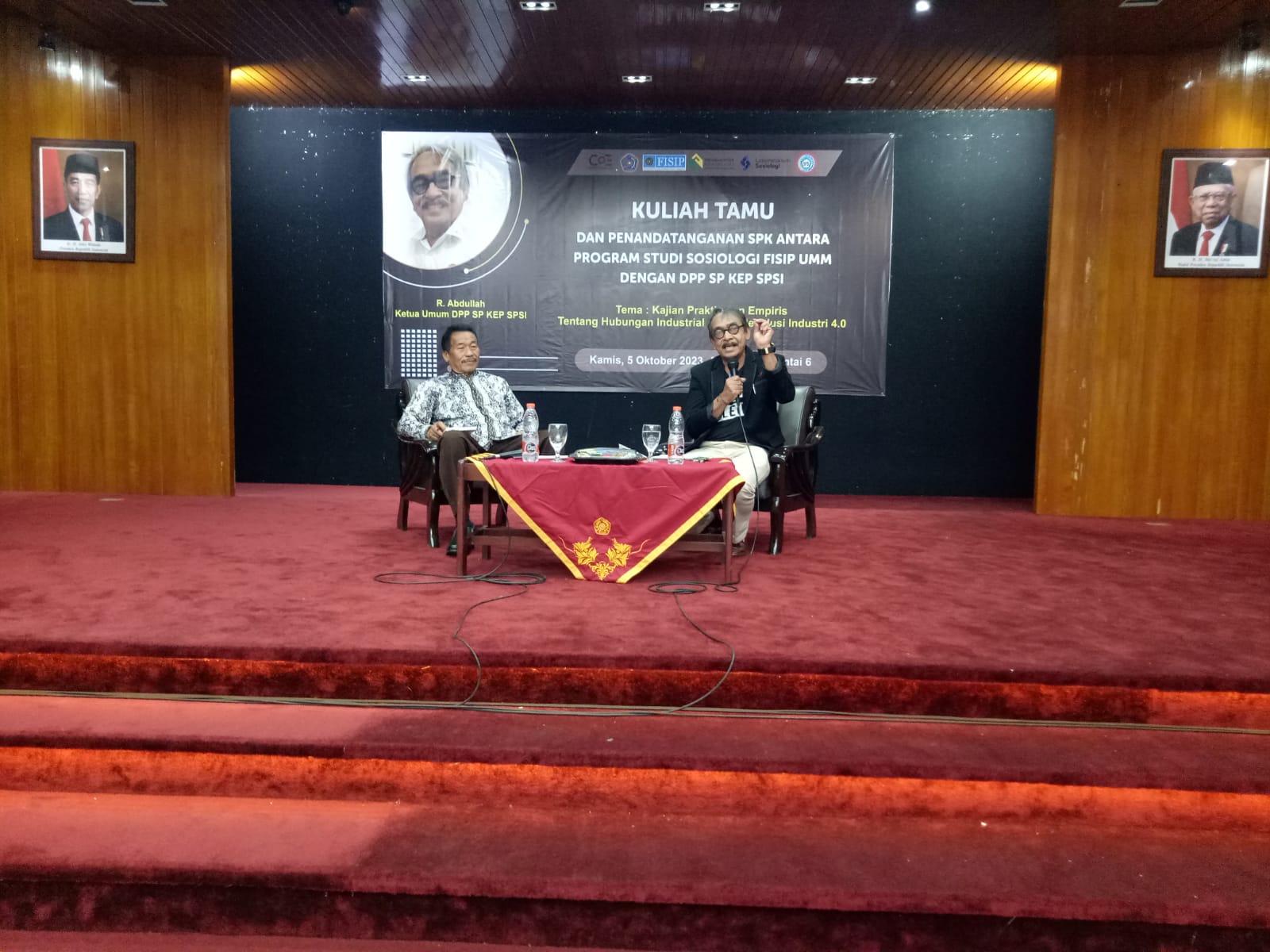
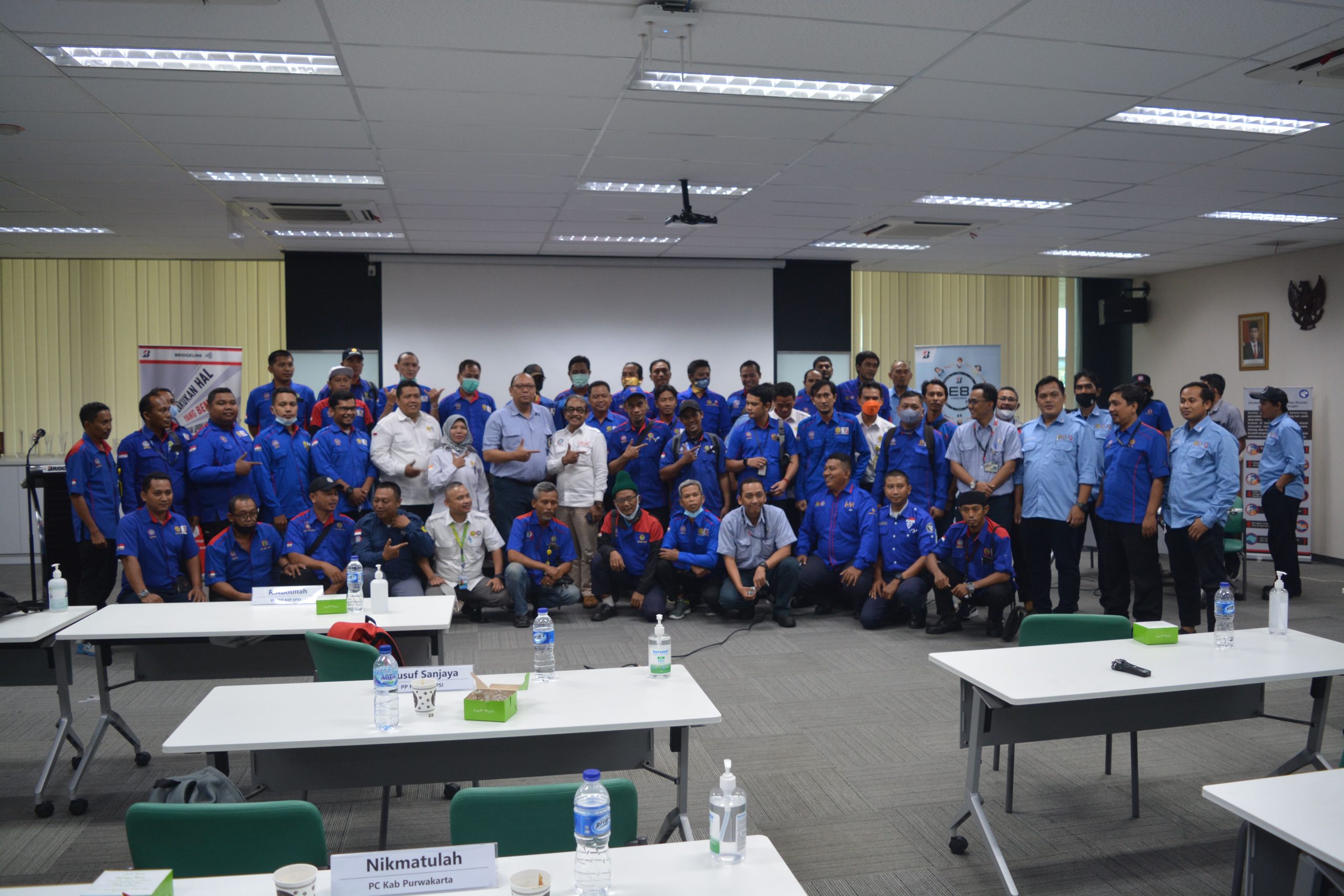
Jakarta, 10 December 2025 — Speaking at the national forum “Towards a Public Pathway Approach to a Just Energy Transition in Indonesia”, Sean Sweeney, Director of Trade Unions for Energy Democracy (TUED), delivered a sharp critique of the neoliberal model driving global energy transition agendas. He argued that current schemes such as the Just Energy Transition Partnership (JETP) create new forms of debt, strengthen corporate power, and undermine national energy sovereignty while failing to deliver real climate solutions.
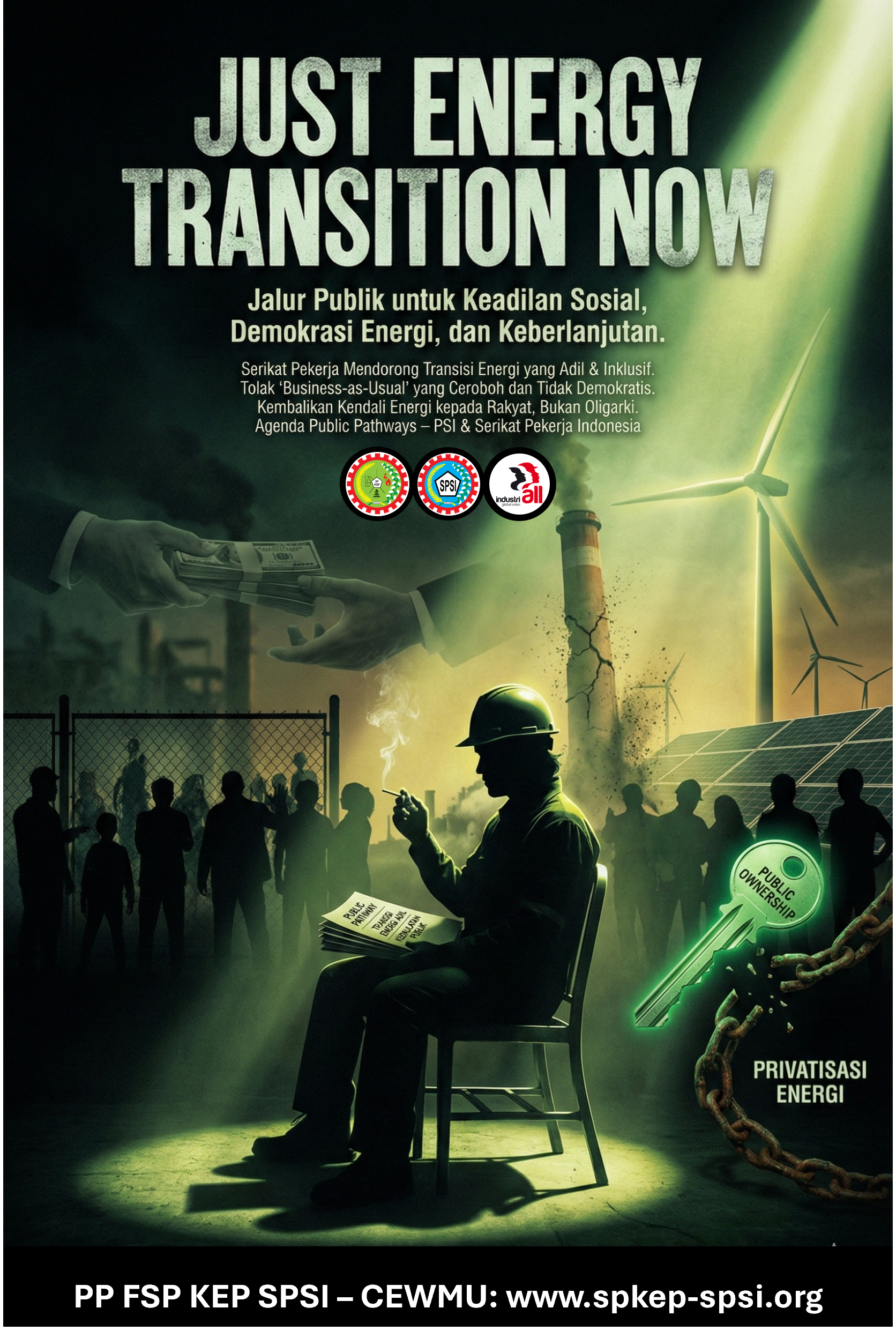
Sweeney emphasized that Indonesia must reject market-driven transition models and instead build a publicly financed, publicly owned, and democratically governed energy transition.
Sweeney highlighted that despite global narratives promoting “clean energy,” the main beneficiaries of the transition remain the same corporations that previously profited from fossil fuels.
“The fossil fuel regime may be shifting, but the players remain the same,” he said, noting how private companies formerly invested in coal are now aggressively expanding into large-scale renewable energy projects.
He warned that treating the transition as merely a technological shift without addressing ownership and public control risks repeating old patterns of exploitation.
Referring to TUED’s analysis, Sweeney explained that JETP and other “blended finance” schemes are structurally flawed:
- They create more debt for developing countries.
- They require countries to adopt an “enabling environment” that opens public energy systems to private and foreign corporations.
- They fail to meet investment targets and repeatedly overestimate what private capital can deliver.
Sweeney noted that despite ambitious promises, private-sector investment in renewables in Indonesia has been less than 1 GW in the past five years, proving that the model simply does not work.
He added that the Global North is now “quietly dropping” the JETP narrative even at COP30 because what they offered was not real finance, but conditions to deepen privatization.
Sweeney criticized the JETP Secretariat’s estimate that Indonesia needs $97.1 billion for its transition.
He argued this figure is inflated because it is calculated using international private-sector benchmarks, which include:
- high expected profit rates,
- subsidy requirements,
- costly risk guarantees.
“This number does not represent the true cost of a public, worker-led, realistic transition,” he stated. TUED urges Indonesia to develop its own public cost model, which will likely show that a fairer and more affordable transition is possible.
Sweeney outlined several financing options presented in TUED’s Article 33 Scenario Document, including:
1. Progressive Taxation
Indonesia’s tax-to-GDP ratio remains extremely low. Raising taxes on the wealthy and corporations would provide significant public revenue for energy transition investments.
2. Public Borrowing
Historically, public energy systems worldwide were built through long-term, low-interest public borrowing, not private capital. Sweeney argued that debt financing is not inherently harmful; it is how modern energy systems were created.
3. Reforming Indonesia’s 3% Deficit Rule
He criticized Indonesia’s State Finance Law, which restricts public borrowing to 3% of GDP—a rule imported from the European Union’s austerity model.
“This law should be reconsidered. It blocks public investment that could improve living standards and enable a just transition,” he said.
4. Sovereign Currency / Public Liquidity
Drawing from recent global experiments, Sweeney explained how governments can create liquidity in local currency to finance domestic energy infrastructure—without waiting for unreliable foreign capital.
He noted that inflation concerns must be considered, but Indonesia’s historically low inflation shows controlled public spending is feasible.
Sweeney stressed that neoliberal climate finance is now in a crisis of legitimacy. After 30 years of broken promises, it has failed both socially and ecologically.
“If private capital could have saved the climate, it would have done so by now,” he stated.
This crisis, he said, opens space for unions, public institutions, and social movements to push for public pathways that:
- restore democratic control over energy,
- protect workers and communities,
- and deliver real decarbonization grounded in equity.
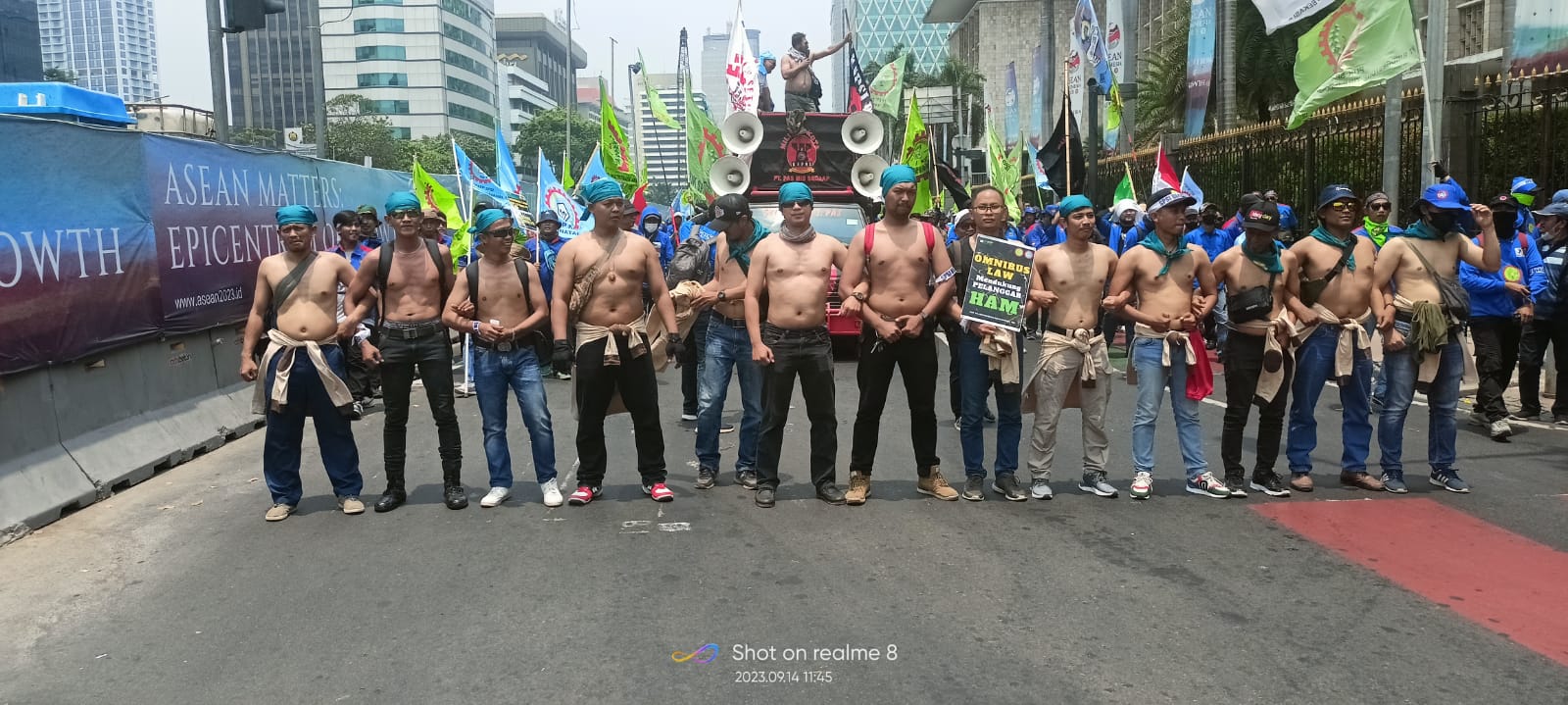
Sweeney praised the commitment of Indonesian unions, including the PLN workers’ unions and PSI affiliates, in rejecting privatization and defending energy sovereignty.
“Challenging neoliberal energy policy cannot be done in six monthsit takes years,” he said, calling for continued collaboration to develop a robust public-led transition plan.
He concluded by emphasizing that Indonesia has the capacity to build an energy system that is fair, inclusive, and sustainable but only if the transition remains under public control. (3zah)