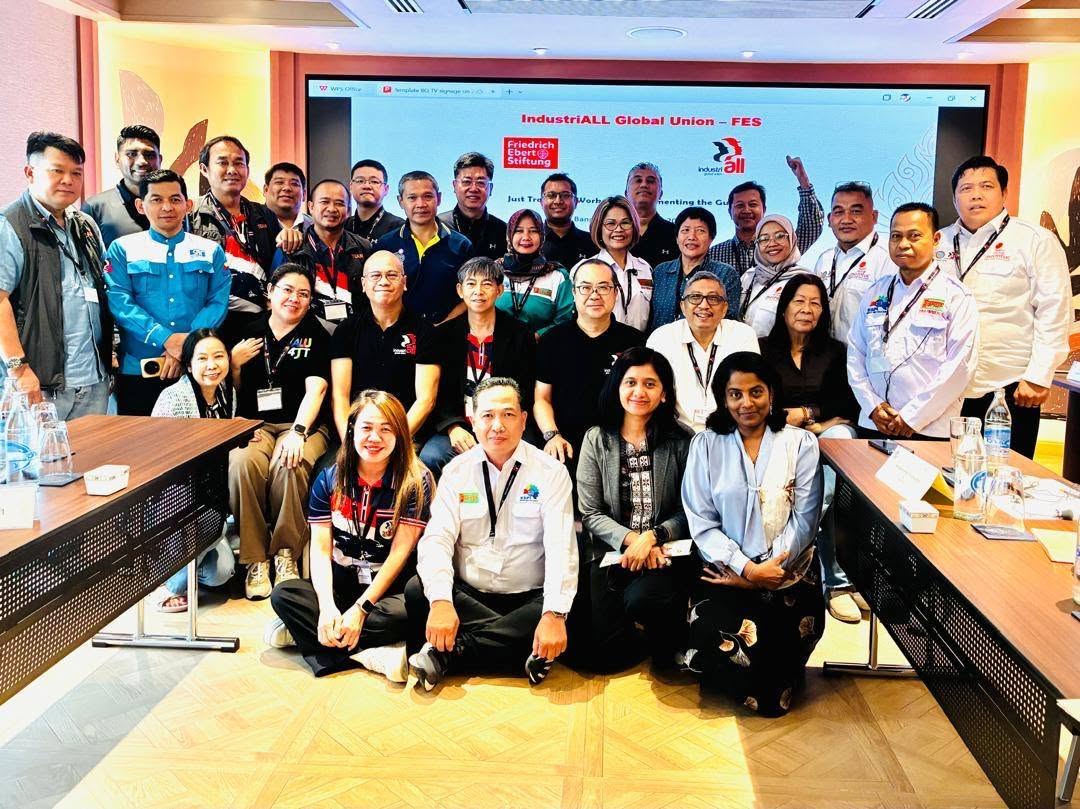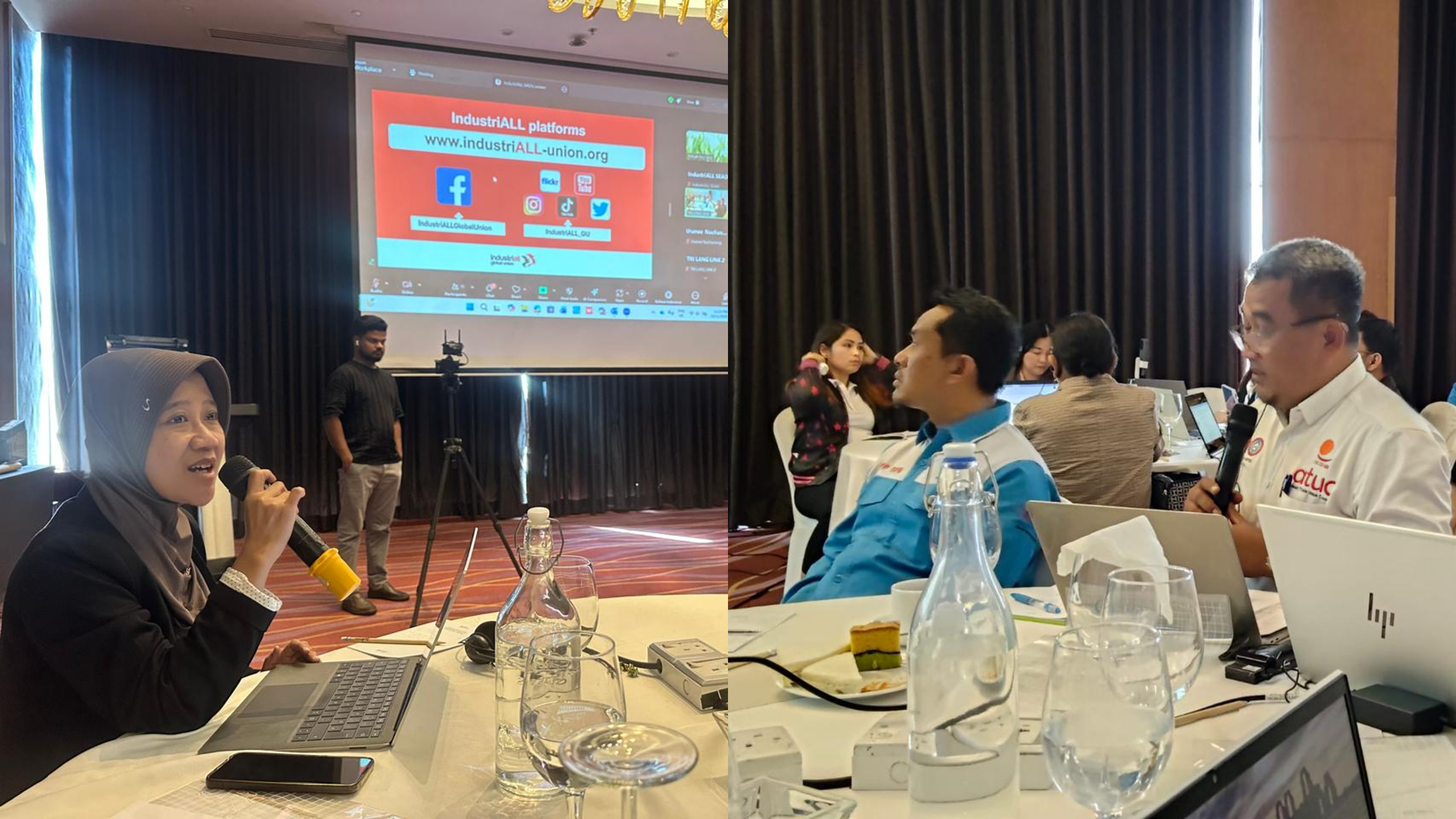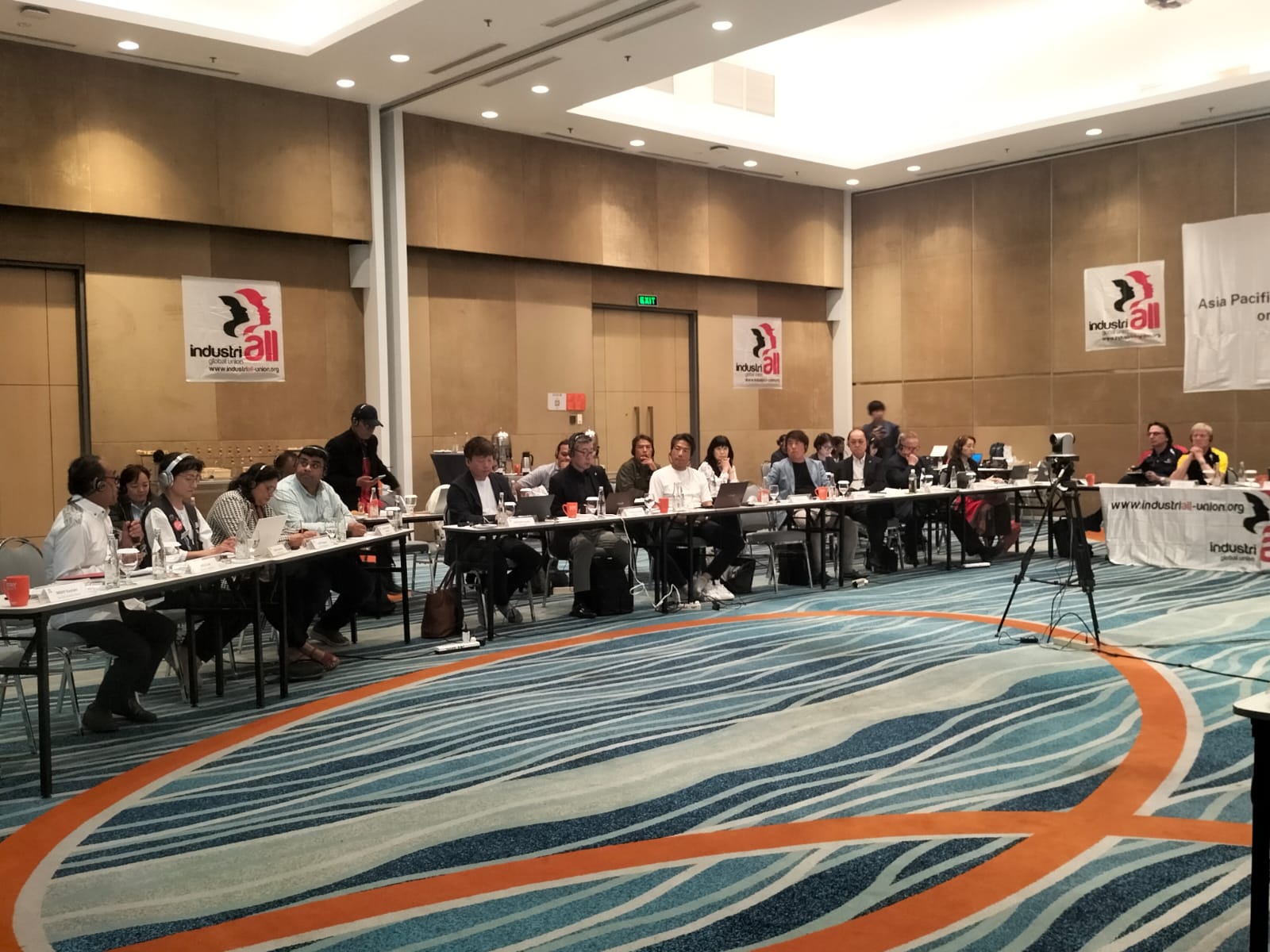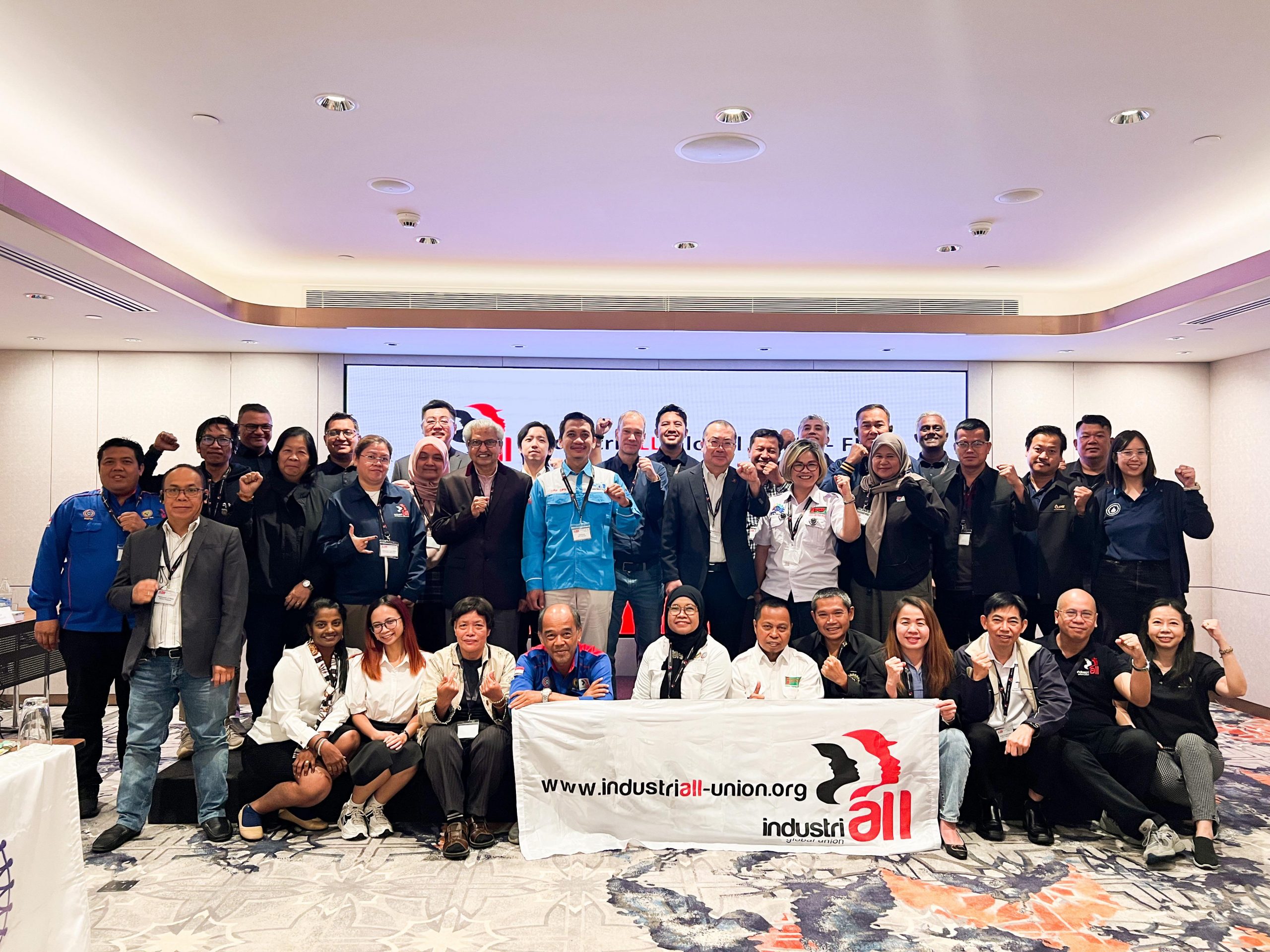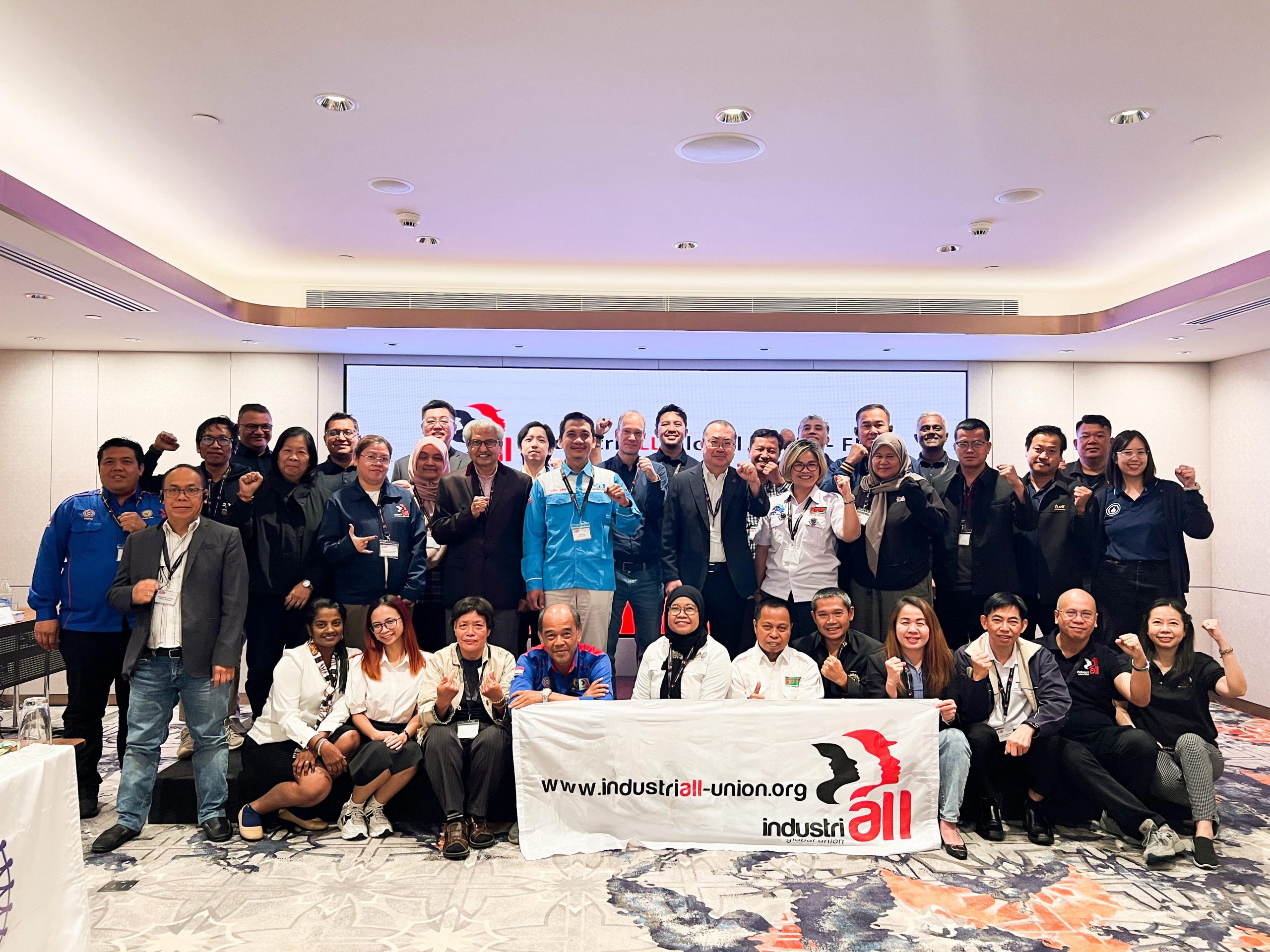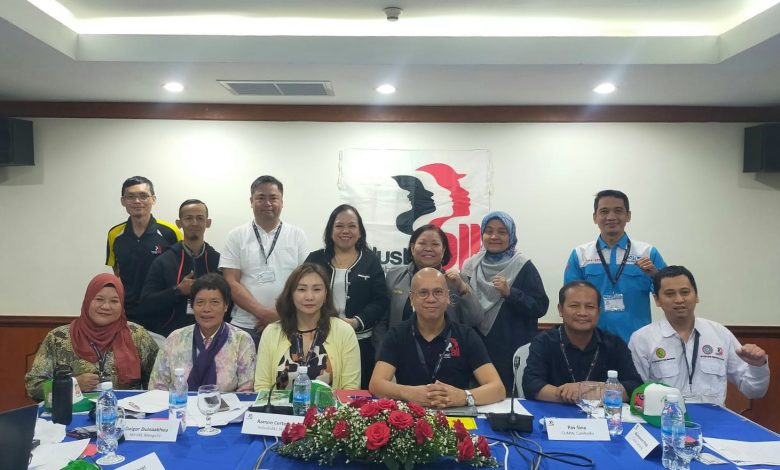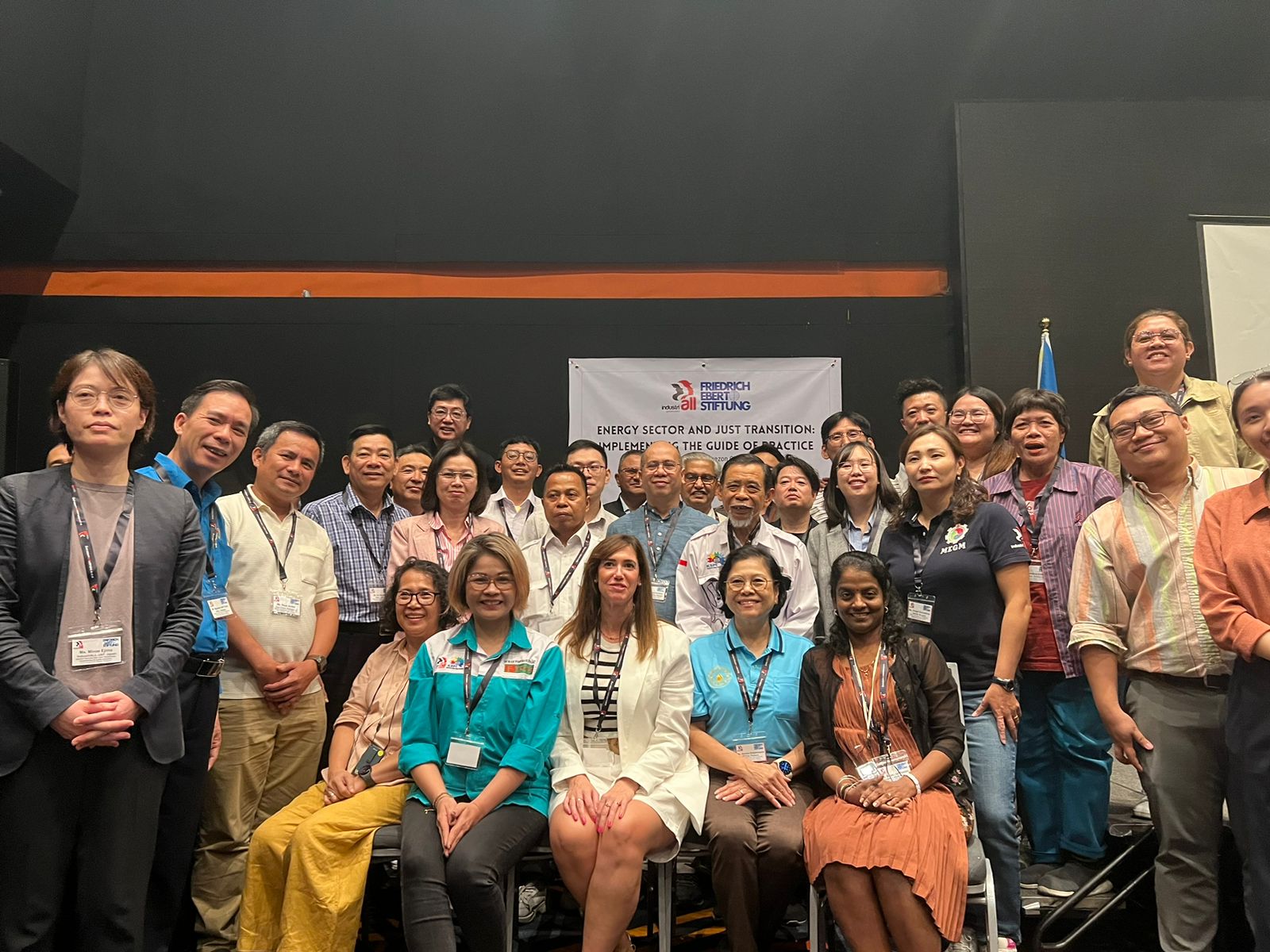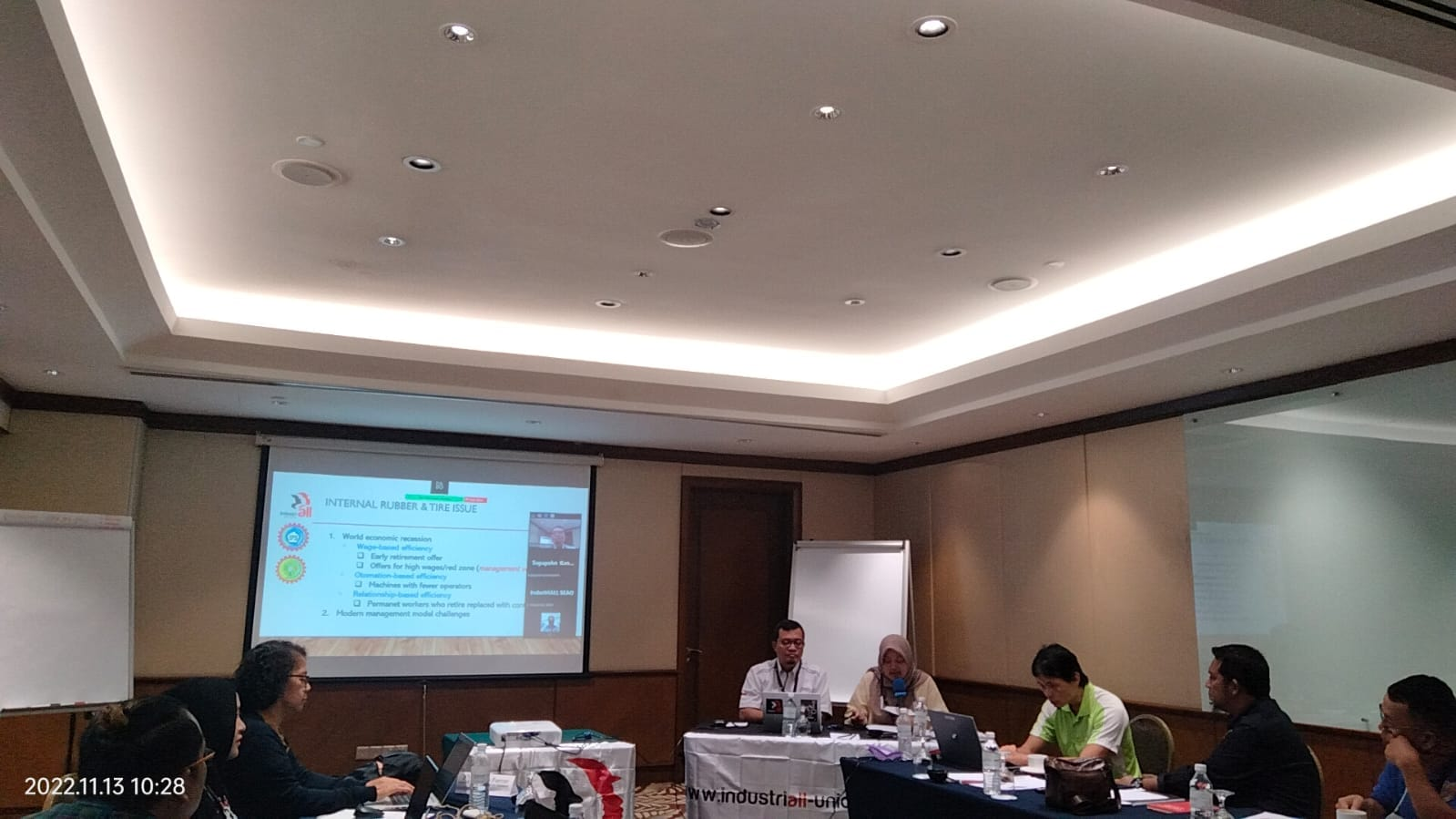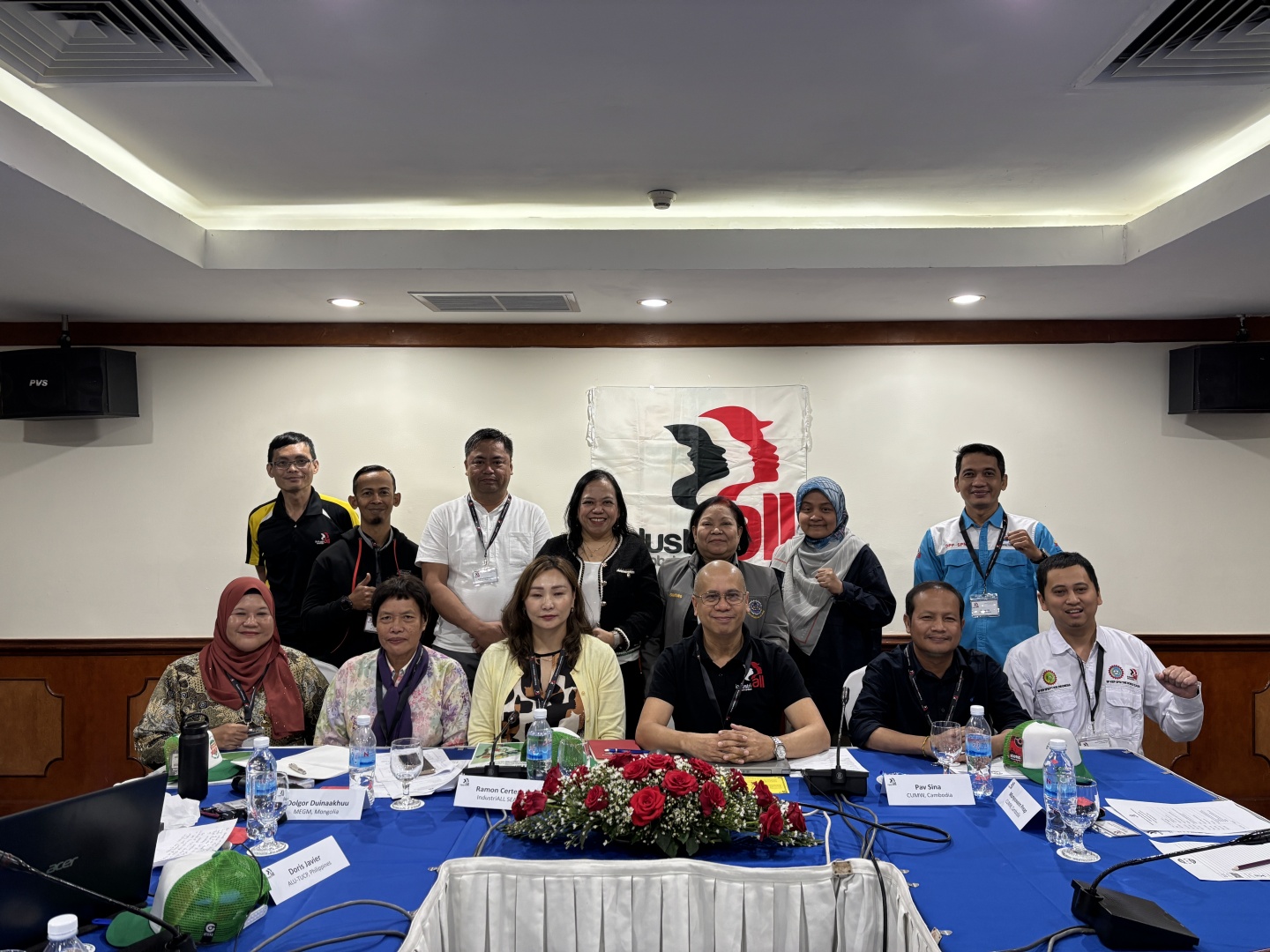
KEPTV | Phnom Penh, 11 September 2025 – Eleven members of the occupational health and safety (OHS) ad hoc committee from Cambodia, Indonesia, Malaysia, and the Philippines convened in Phnom Penh to develop a roadmap for a comprehensive safety and health campaign for 2025–2026.
The committee identified heat stress as a critical health and safety issue affecting workers in the garment, textile, electronics, and manufacturing sectors. Reports indicate that some electronics factories have raised air-conditioning temperatures to cut costs, leaving many workers uncomfortable in thick apparel required for clean room operations.
Garment workers in Cambodia are experiencing significant heat stress, prompting the Cambodian government to issue a directive mandating that workplace temperatures must remain below 32 degrees Celsius, with penalties for non-compliance.
Pav Sina, president of the Collective Union of Movement of Workers (CUMW), emphasized the urgency of addressing this issue:
“We have disseminated information about heat stress, government directives, and the need for effective ventilation systems in factories. Heat stress negatively impacts productivity and exposes workers to heat-related diseases and hazards. Companies should consider scheduling shifts during cooler hours and improving air-conditioning systems.”
The regional workshop also outlined several action plans, including:
- Launching a campaign for the ratification of ILO Convention 170 on Chemical Substances.
- Mapping OHS committees at the plant level to produce comprehensive guidelines.
- Strengthening communication platforms and inviting more OHS experts to participate.
- Organizing quarterly Zoom meetings to share OHS initiatives among affiliates.
Participants agreed on the importance of including ILO Conventions 155 and 187 as fundamental conventions, reinforcing the significance of workplace safety and health. Trade unions are urged to play a vital role in implementing policy strategies derived from these conventions, focusing on prevention and reporting of occupational diseases and accidents.
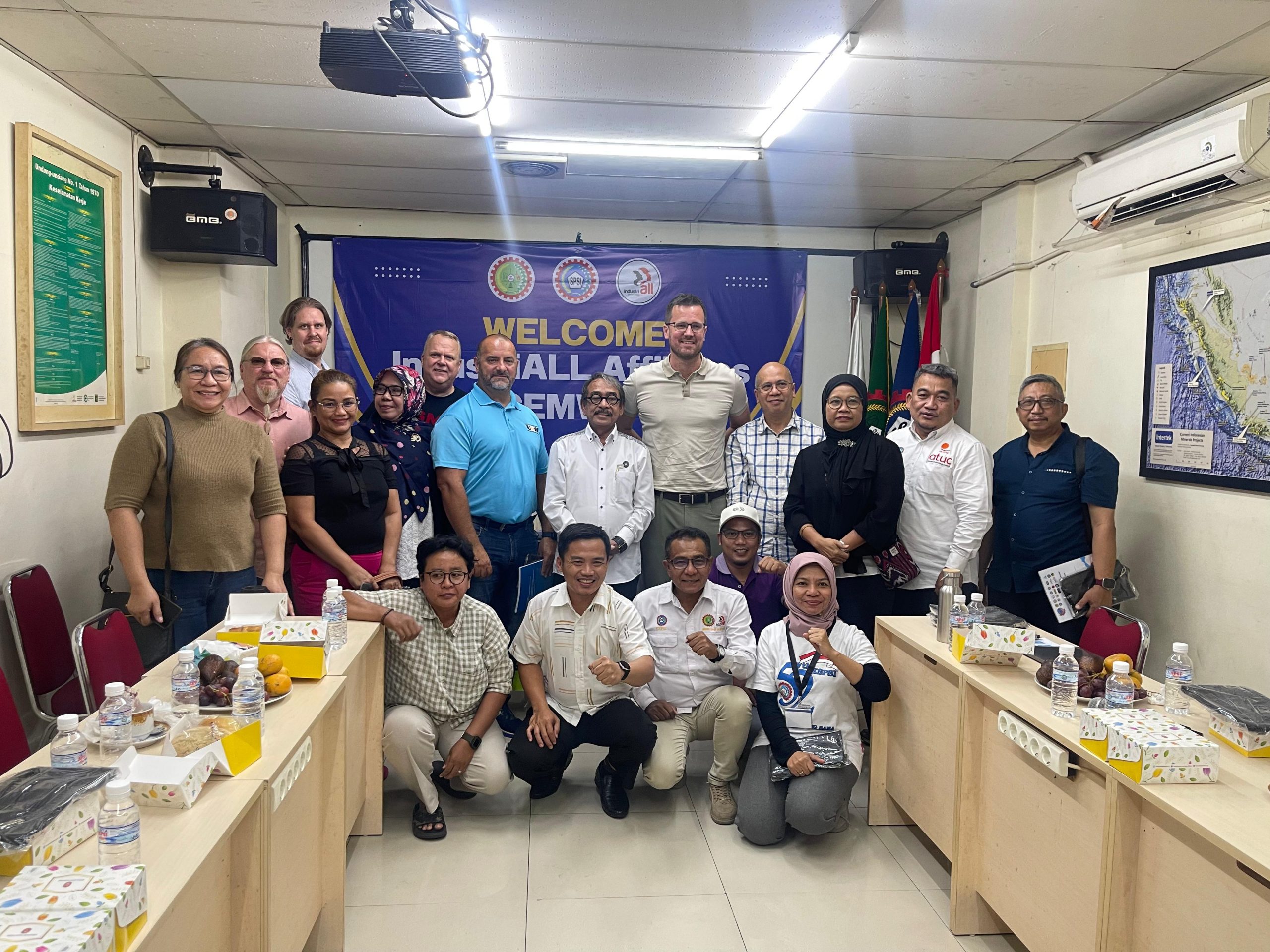
There was a strong consensus on mutual learning among OHS committee members, highlighting successful implementations of ILO Convention 176 on Safety and Health in Mines from Mongolia and the Philippines. Meanwhile, Indonesian unionists face serious health and safety challenges in nickel mines in Morowali, with the government resisting the ratification of Convention 176, citing existing laws and regulations.
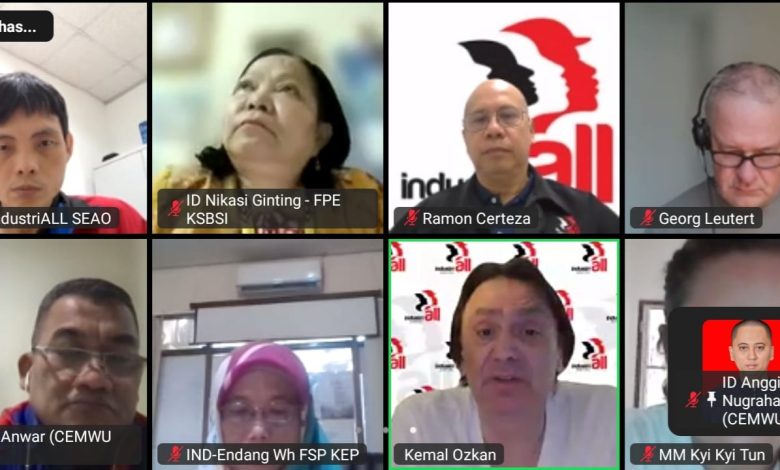
Ramon Certeza, IndustriALL South East Asia regional secretary, stated:
“Health and safety have become universal rights with the inclusion of two conventions as fundamental conventions and evolving UN guidance. Unions must continuously advocate for three fundamental workers’ rights in health and safety: the right to know, the right to refuse unsafe work, and the right to participate in decision-making.”